
Ever feel like you’re wrestling with your plants instead of nurturing them? I sure have. There was this one time, trying to prune a stubborn rose bush, my fingers felt so clumsy.
I wished for something small, sharp, and precise. That’s when I discovered the magic of a gardening thumb knife. It’s a game-changer for so many little garden tasks.
This article dives deep into why you need one, what to look for, and how it will transform your green thumb.
Why Do I Need a Gardening Thumb Knife?
Honestly, I was skeptical at first. A tiny knife that fits on my thumb? Seemed a bit niche.
But after using one for a season, I can’t imagine my gardening without it. It’s like finding that one perfect tool that just makes sense. It’s not for hacking down big branches, mind you.
This is for the delicate work. Think tiny seed packets, wrestling with stubborn plant tags, or pinching off errant shoots. It’s the little things that make a big difference in my garden.
It’s surprisingly versatile.
Precision for Delicate Tasks
You know when you’re transplanting tiny seedlings? Or dividing fragile herbs? My fingers feel way too big for those jobs sometimes.
That’s where the gardening thumb knife shines. I can get right in there, close to the stem, and make a clean cut without damaging the plant. It’s like having an extra, super-fine finger.
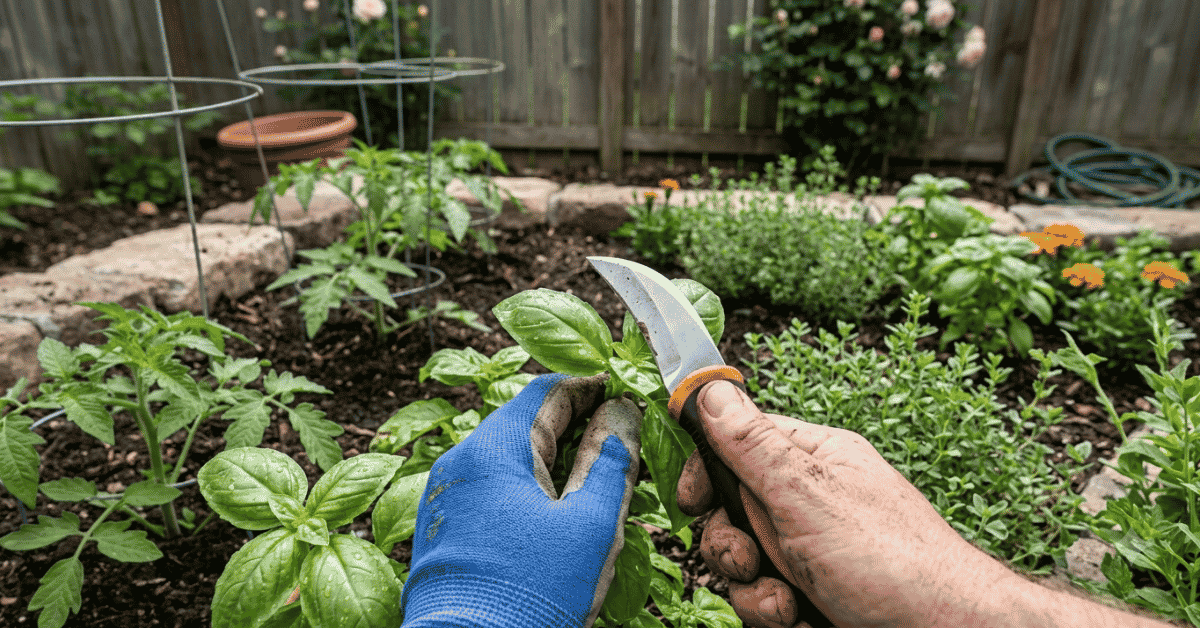
I remember trying to separate some delicate new basil starts last spring. My usual scissors felt like a bulldozer. The thumb knife let me gently tease apart the root balls.
It saved so many little plants.
Speeding Up Small Jobs
Some gardening tasks are simple but fiddly. Opening those tiny seed packets comes to mind. Or cutting those plastic plant ties.
I used to pull out my big shears or a regular knife. Now? I just slip on my gardening thumb knife.
A quick snip, and I’m done. It’s amazing how much time those little efficiencies add up. It means more time enjoying the garden, not struggling with tools.
I can open a whole pack of seed packets in seconds now.
Enhanced Garden Safety
Okay, this might sound strange. A knife for safety? But hear me out.
When I’m reaching for small items or cutting close to my skin, using a regular knife can feel dicey. My gardening thumb knife is designed to be worn. The blade is usually tucked away or angled so it’s less likely to cause accidental nicks when I’m moving my hands.
It gives me more confidence when I’m working in tight spots. It’s less about being dangerous, and more about being a controlled, precise extension of your hand.
Choosing Your Perfect Gardening Thumb Knife
Not all gardening thumb knives are created equal. I’ve tried a few. Some are amazing, others… not so much.
Think about what you’ll be doing most in your garden. This will help you pick the right one.
Blade Material and Sharpness
Most good gardening thumb knives have stainless steel blades. This means they won’t rust, even with all the moisture in the garden. They stay sharp longer too.
You want a blade that can make clean cuts. A dull blade will crush stems. That’s bad for the plant.
I always check reviews to see how well the blade holds its edge. My current favorite has a curved blade. It really hugs the stem.
Fit and Comfort
This is super important. The knife needs to fit your thumb snugly but comfortably. If it’s too loose, it’ll fall off.
Too tight, and it’s painful to wear. Many come with adjustable straps. This is great because you can fine-tune the fit.
I have fairly average-sized thumbs. Most standard sizes work for me. But if you have unusually large or small fingers, look for options that offer different sizes or have really flexible straps.
It should feel like a natural part of your hand quickly.
Blade Design: Straight vs. Curved
This is mostly personal preference. A straight blade is good for general cutting, like opening bags or trimming stray leaves. A curved blade, like the one I love, is fantastic for getting right up close to a stem to pinch off buds or runners.
Curved blades often feel more intuitive for pruning small growth. I found that the curve just made it easier to get the angle I needed for delicate work. It’s like it’s made to go around the plant.
Durability and Build Quality
You want a gardening thumb knife that will last. Look for sturdy construction. The blade should be securely attached.
The strap material should be tough and weather-resistant. Cheap plastic ones can break easily. I’ve seen some with metal housings that feel really solid.
My current one has a tough plastic casing with a full tang blade, meaning the metal of the blade extends all the way through the handle. That’s built to last.
How to Use Your Gardening Thumb Knife Effectively
It’s simple to use, really. But there are a couple of tips that make a big difference for me.
Proper Grip and Angle
Hold the tool firmly on your thumb. The blade should extend just past your fingertip. When cutting, use a slight sawing motion or a smooth pull.
For pinching, a quick twist of your wrist works well. Always cut away from yourself. This is basic knife safety, but vital when your hand is so close to the blade.
I find a slight angle towards the stem works best for clean cuts. It’s not like a chop. It’s more of a slice.
Maintenance for Longevity
Keep your gardening thumb knife clean and dry when you’re not using it. Wipe off any dirt or sap. A quick rinse and dry will do.
If the blade seems a little sticky, a tiny bit of oil can help. Sharpen it occasionally with a small whetstone or sharpening rod. A sharp blade is safer and more effective.
I keep a small sharpening stone near my potting bench. It takes just a minute.
Beyond Pruning: Other Uses
I’ve already touched on opening seed packets and cutting ties. But it’s also great for:
- Removing weeds: Tiny weeds that pop up between pavers? The thumb knife can get right in there.
- Harvesting small herbs: Snipping chives or parsley becomes super precise.
- Deadheading flowers: Easily remove spent blooms to encourage more flowers.
- Cleaning up plant debris: Trimming little bits of dead leaf or stem.
- Scraping away stubborn dirt: Sometimes you just need a little edge to scrape.
It’s the ultimate little helper. It’s funny. I just got a new set of gardening gloves, and they have a special little loop for my thumb knife.
Gardening Thumb Knife vs. Other Tools
It’s not about replacing all your tools. It’s about adding a specialized one.
Gardening Thumb Knife vs. Hand Pruners
Hand pruners are great for thicker stems, up to about half an inch. They offer more leverage for bigger branches. My thumb knife is for tasks that are too small or delicate for pruners.
Think of it as the precision instrument to the pruner’s general workhorse. You wouldn’t use pruners to separate tiny seedlings, right? That’s what the thumb knife is for.
It’s a different job entirely.
Gardening Thumb Knife vs. Garden Scissors
Garden scissors are a step up from kitchen scissors. They’re useful for cutting flower stems or trimming lighter foliage. But they still lack the pinpoint accuracy of a thumb knife.
When I’m dealing with plants that are very close together, or I need to make a cut right at the base of a stem, scissors feel a bit clunky. The thumb knife allows me to get my hand right into the plant. This is not possible with scissors.
Gardening Thumb Knife vs. Regular Knives
A regular utility knife or pocket knife can do many of the same cutting tasks. However, they aren’t designed to be worn on your thumb. This means you’re constantly picking them up and putting them down.
You also have less dexterity and control when your hand isn’t truly free. Plus, most regular knives aren’t built for the damp, dirty conditions of a garden. Stainless steel blades are a must outdoors.
I’ve found the dedicated design makes all the difference. My thumb knife is always just… there. Ready.
Frequently Asked Questions
Is a gardening thumb knife safe to use?
Yes, when used correctly. The blade is designed to be worn and controlled. Always cut away from yourself for maximum safety.
Learn more about safe gardening practices.
How do I clean my gardening thumb knife?
Wipe it clean with a damp cloth after each use. Dry it thoroughly to prevent rust, especially if it has a non-stainless steel blade.
Can I use a gardening thumb knife for anything other than plants?
While designed for gardening, it can open packages or cut twine. It’s a versatile little cutting tool for many small tasks around the house.
What is the best material for a gardening thumb knife blade?
Stainless steel is highly recommended. It resists rust and stays sharp longer, which is essential for garden tools.
Where is the best place to store my gardening thumb knife?
Store it in a dry place. Some people keep theirs in a tool pouch or a dedicated spot on their potting bench.
It’s the little things that matter most in the garden, isn’t it? And this tiny tool has become one of my most trusted helpers. I honestly think every gardener could benefit from one.
It just makes those fiddly bits of garden life so much easier. You’ll wonder how you ever managed without it.