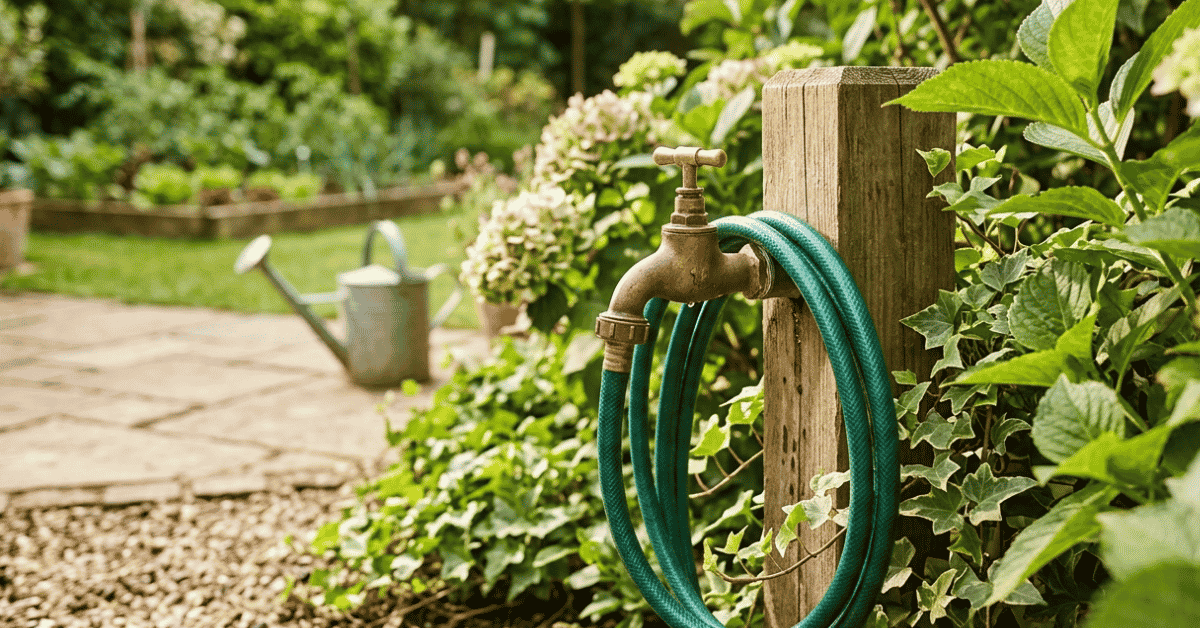
Ever find yourself wrestling with a leaky hose bib or a tap that’s just plain awkward to use? Yeah, me too. My old garden tap used to be a daily annoyance.
It was stiff, dripped constantly, and felt like a chore just to turn on the water. That all changed when I started looking into better options. Now, a good gardening tap is more than just a water source; it’s a smart addition that makes everything from watering plants to washing off muddy boots so much easier.
Is a High-Quality Gardening Tap Essential?
Honestly, before I really dug into it, I thought all garden taps were pretty much the same. Just a spigot for water, right? Wrong.
I learned pretty quickly that a decent gardening tap can totally change your outdoor experience. It saves you time, prevents water waste, and just makes life simpler when you’re out in the dirt. I’ve wasted so much time trying to make a bad tap work, and for what?
Now, I wouldn’t go back.
My First Real Gardening Tap Experience
I remember one sweltering summer day. The sun was beating down, and my tomato plants were looking thirsty. I went to turn on the outdoor tap, and it was like wrestling an alligator.
The handle was so stiff, and then, wouldn’t you know it, it started spitting water everywhere. Not a proper stream, just a sad, weak dribble and a steady drip from somewhere I couldn’t even see. I stood there, sweating, just frustrated.
It made me realize how much I took that simple tap for granted, and how much a good one would improve things.
This is where the value of a solid gardening tap really hits home. It’s not just about getting water; it’s about a smooth, reliable flow every single time.
The Benefits of a Modern Gardening Tap
A good gardening tap does more than just let water out. It’s about smart design and better materials. I’ve found they tend to be more durable, easier to use, and often have features that make tasks much quicker.
- Easy Operation: Think smooth, effortless turns. No more jerky handles or needing a wrench to get it going. This is a big one for me, especially when my hands are already covered in soil.
- Leak Prevention: A well-made tap seals properly. This means no annoying drips when it’s off. It saves water and keeps your pathway dry. I had a drip going for months; it was driving me mad and probably wasting gallons.
- Durability: These taps are built to last outdoors. They can handle sun, rain, and cold. My old one rusted out way too fast.
- Better Flow Control: You can often get a more precise flow. This is great for delicate seedlings or when you just need a gentle rinse.
- Aesthetics: Let’s be honest, a nice, well-finished tap looks a lot better than a rusty, clunky old thing. It adds a touch of class to your garden.
- Hose Connection: Many come with better ways to attach your hose. Some have quick-connect fittings that save you fiddling.
Upgrading Your Water Source: Key Features to Look For
When I started shopping for a new tap, I was surprised by the options. It’s not just metal and a handle anymore. Here’s what I learned to keep an eye out for.
Material Matters
The metal your tap is made from really affects how long it lasts and how it performs.
- Brass: This is a classic for a reason. Brass taps are super strong and resist rust really well. They can look quite elegant, too, with a nice polished finish. I’ve found they feel substantial and reliable.
- Stainless Steel: Another great, durable option. Stainless steel is excellent at resisting corrosion and looks clean and modern. It’s often a bit pricier but worth it for longevity.
- Cast Iron: These have a heavier, more traditional look. They are very robust but can be prone to rust if not properly coated or maintained. I love the look but think brass or steel is a bit more practical for me.
Handle Styles
The handle is what you touch every time. It needs to be comfortable and easy.
- Lever Handles: These are my favorite. They’re simple to grip and easy to turn, even with wet hands or gloves. They often require less force than a round knob. I can’t stress enough how much easier these make things.
- Round Knobs: These are common and look more traditional. They can sometimes be harder to grip, especially if they get slick or if you have arthritis.
- Quarter-Turn Taps: These are fantastic for quick on-and-off. You only need a quarter turn of the handle to go from fully off to fully on. This is much faster and less work than a traditional multi-turn tap.
Spout Design and Extra Features
What the tap actually does matters too.
- Aerator: Some taps have these. They mix air with the water stream, creating a softer, less splashy flow. This is great for filling watering cans without making a mess.
- Anti-Siphon Valve: This is a safety feature. It stops garden water from flowing back into your home’s main water supply. It’s a good thing to have for peace of mind.
- Wall Mount vs. Deck Mount: Most taps are wall-mounted, directly on your house. Deck-mounted ones are often found on kitchen sinks or outdoor bars, fixed to a flat surface. For a garden, wall-mount is usually the way to go.
Let’s put some of these ideas into a handy table.
| Feature | Brass | Stainless Steel | Cast Iron |
|---|---|---|---|
| Durability | Excellent resistance to corrosion | Excellent resistance to corrosion | Very strong, but can rust if not treated |
| Appearance | Classic, can be polished or aged | Modern, sleek, clean | Heavy, traditional, rustic |
| Maintenance | Low, can patina over time | Very low | Requires occasional rust treatment |
| Cost | Mid to High | High | Mid |
| Best For | Long-lasting, reliable | Modern gardens, high-traffic areas | Rustic or traditional gardens |
My personal preference leans towards brass or stainless steel lever handles. They just feel right and have held up perfectly for me.
Choosing the Right Type of Gardening Tap
There are a few main styles of gardening taps you’ll see. Each has its place.
The Standard Hose Bib (Spigot)
This is the most common type. It’s a simple outlet for attaching a hose. Most have a threaded spout for easy connection.
Mine used to be just this, and it was okay, but I craved more.
The Bib Tap with Two Handles (Dual Outlet)
Sometimes you need to run two hoses or a hose and a sprinkler at once. These have two separate spigots, often controlled by independent handles. This is super handy if you have a big yard or multiple watering tasks going on.
I found one of these made it so much easier to water different areas of my garden without constantly swapping hoses.
Decorative and Vintage Taps
These are more about style. They can come in ornate designs, with fancy handles or themed shapes. While they might be lovely, I always check the material and mechanism to make sure they’re still functional and durable.
Pretty is nice, but practical is essential for me.
Installation: A Project You Might Tackle Yourself
Installing a new garden tap might sound daunting, but it’s often a manageable DIY project. If you’re comfortable with basic plumbing, you can usually swap out an old one.
When I did mine, the biggest step was turning off the main water supply to the house. Then, it was a matter of unscrewing the old tap, cleaning the threads on the pipe, applying new PTFE tape (that white plumbing tape), and screwing on the new tap. Tightening it just right is key.
You don’t want it too loose (leaks!) or too tight (damaging the pipe threads).
If you’re not sure, or if you’re dealing with a completely new installation (like adding a tap where there wasn’t one before), it’s always best to call a plumber. They can ensure it’s done safely and to code. A well-installed tap is crucial for preventing future problems.
Poor installation can lead to leaks that cause damage inside your walls or foundation.
Maintaining Your Gardening Tap for Longevity
Once you have a great new tap, you want it to last. Routine care is pretty straightforward.
- Regular Checks: Just give it a quick look and feel every so often. Does it turn smoothly? Are there any new drips? These little checks can catch problems early.
- Hose Storage: Don’t leave your hose kinked up against the tap. Unscrew the hose when you’re done, giving the spout a bit of a rest. Some people even use hose reels to keep things tidy. This kind of small effort prevents stress on the tap’s connection point.
- Winterization: This is vital in colder climates. Before the first freeze, you must drain your outdoor taps.
- Turn off the water supply to the tap inside your house.
- Open the outdoor tap to let any remaining water drain out.
- If you have separate shut-off valves for your outdoor taps inside, close those.
- You can also use a tap cover for extra protection. I learned this lesson the hard way after a frozen tap split on me once. It was an expensive mistake.
Making the most of your gardening tap means thinking about how it connects to other essential garden tools. A good tap makes using a reliable hose much better. You can find some great tips on 9 surprising hose-related tool benefits that pair perfectly with a quality tap.
And consider how your watering setup works with other useful items, like the one simple black gardening breakthrough that can simplify your tasks. Even thinking about 7 hidden wins of gardening plastic or the magic of black gardening tools can be enhanced by having a solid water source. And don’t forget how a simple 5 gallon bucket can be a smart growing hack, you’ll need water for it!
Frequently Asked Questions
What’s the best material for an outdoor garden tap?
Brass and stainless steel are top choices. They resist rust and last a really long time outdoors.
How often should I check my garden tap for leaks?
A quick check once a month is usually enough. Listen for drips and ensure the handle turns smoothly. Learn more about making your garden tools last.
Can I install a new garden tap myself?
Yes, if you’re comfortable with basic plumbing. Always turn off the water first and use plumber’s tape on threads. Contact a pro if unsure.
What is winterization for a garden tap?
It means draining all the water from the tap and pipes before freezing weather to prevent damage. Learn more about preparing your garden for winter.
Are decorative garden taps practical for daily use?
Some are, but always check the material and mechanism for durability and ease of use. Functionality often outweighs pure looks. Learn more about choosing the right tools for your garden.