I remember a time when my garden felt like a constant battle. Weeds everywhere, soil washing away, and plants looking… well, sad. Then I discovered gardening plastic tubs.
Honestly, they changed everything for me. Having a dedicated space for my little green friends made such a difference. Let me tell you, these tubs aren’t just containers; they’re game-changers for any gardener.
Looking for a simple way to boost your garden’s health? Give these tubs a try!
Why Choose Gardening Plastic Tubs?
I get asked this a lot. Why plastic tubs? Honestly, for me, it started out of necessity.
My yard had some really tricky spots, and I needed a way to control where my plants grew. I didn’t want them getting lost or choked out. These tubs offer a fantastic solution.
They give your plants a defined, healthy home. You can fill them with the perfect soil mix, and that’s a huge win. It makes gardening so much easier, especially when you’re just starting out or dealing with poor native soil.
Easier Planting and Potting
This is huge for me. When I’m planting, especially seedlings or smaller plants, having them in a tub is so much simpler. I can clear out the tub, add fresh potting mix, and then just pop my plants in.
No more digging deep holes in hard ground or worrying about rocks. It’s a clean, controlled way to get your plants settled. I’ve found that plants settled into tubs often establish faster because their roots aren’t fighting against a tough environment right away.
It’s like giving them a head start.
Better Soil Control
My garden’s clay soil is… well, it’s a challenge. It gets rock hard in summer and turns into a muddy mess when it rains. With tubs, I can bypass all that.
I fill them with a special blend of compost, perlite, and good quality potting soil. This means my plants get exactly the nutrients and drainage they need. I don’t have to amend tons of garden soil.
This control is especially helpful for plants that have very specific soil needs, like blueberries or acid-loving flowers. It ensures they thrive.
Improved Drainage
This is a big one, especially after a wet spell. Traditional garden beds can get waterlogged. Roots need air, and soggy soil suffocates them.
Plastic tubs, when used with good potting mix, drain much better. Water can escape through the bottom. You can even improve drainage further by ensuring the tubs have adequate holes.
I found that a few strategically placed holes dramatically cut down on root rot issues for my tomatoes and peppers. Less rot means healthier plants and more harvest for me!
Reduced Weed Pressure
Oh, the weeds! They’re my nemesis. When you’re growing in the ground, weeds seem to sprout from everywhere.
With gardening plastic tubs, you drastically cut down on weed problems. You’re only managing the weeds that pop up in the tub. Since you control the soil, fewer weed seeds make it in.
Pulling a few dandelions from a tub is a quick task compared to battling a whole patch of invasive ground cover. This means more time enjoying my garden and less time stressed about weeds. It really is a time saver.
Mobility and Flexibility
This is a benefit I didn’t even think of at first, but it’s become a lifesaver. Need to move a plant out of the way for a different crop? Or maybe you want to chase the sun with your herbs?
Plastic tubs are often light enough to move. I’ve rearranged my entire herb garden by simply sliding the tubs around. I’ve also moved heat-loving plants into sunnier spots later in the season.
This flexibility is brilliant. You can adapt your garden as the season progresses or as your needs change. It’s like having a portable garden.
Are Gardening Plastic Tubs Good for All Plants?
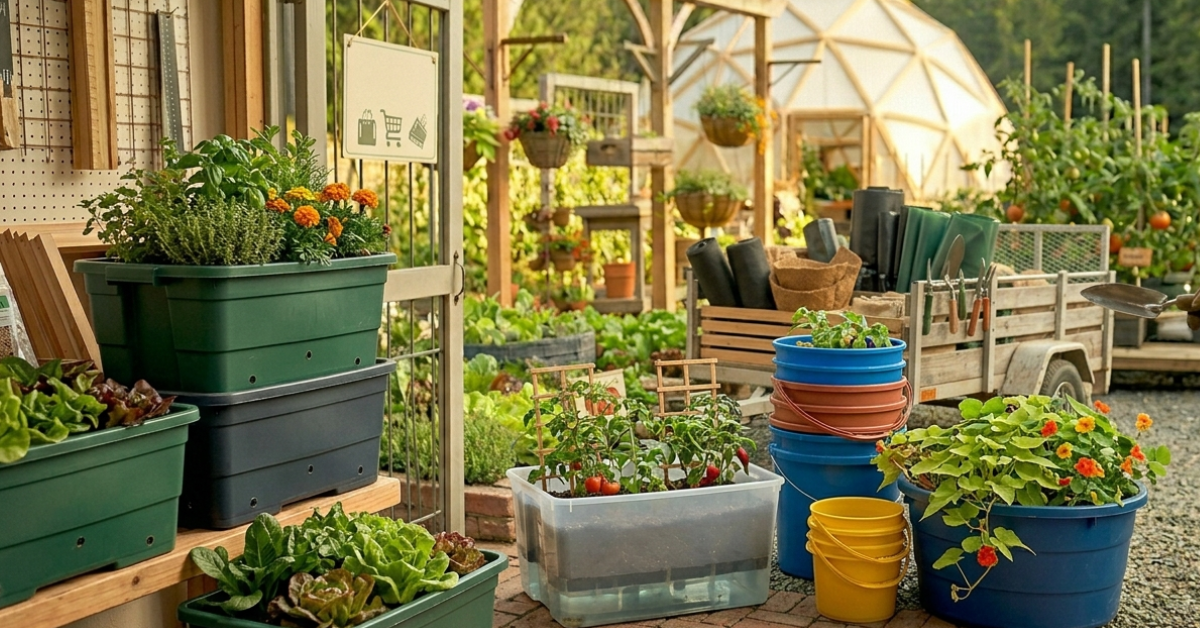
For the most part, yes! I’ve successfully grown a huge variety of things in them. From vegetables like tomatoes, peppers, and leafy greens to herbs, flowers, and even small fruit bushes like strawberries.
The key is choosing a tub size that matches the plant’s needs. A tiny pot for a sprawling squash plant just won’t work. But for most common garden plants, a decent-sized plastic tub is absolutely fantastic.
They provide a stable environment for growth.
Large Containers for Big Plants
For plants that need more space, like zucchini or larger tomato varieties, you need big tubs. I’m talking about tubs that are at least 10-15 gallons. These give the roots room to spread.
A plant won’t feel cramped. This is crucial for plants that produce a lot of fruit or grow quite tall/bushy. If you try to cram a big plant into a small space, you’ll stunt its growth.
I learned this the hard way with a giant pumpkin that barely grew in a too-small container!
Smaller Tubs for Herbs and Greens
Smaller tubs and containers are perfect for herbs and most leafy greens. Think lettuce, spinach, basil, mint, and chives. These plants usually have shallower root systems.
You don’t need a massive tub. A 5-gallon bucket or a similar-sized container works wonders. This is great for maximizing space on a patio or balcony.
You can have a whole herb garden in a compact area. Plus, it keeps aggressive growers like mint contained, which is a relief in my book!
Flower Power in Pots
Many flowers also do exceptionally well in plastic tubs. Petunias, marigolds, impatiens, and even larger bedding plants can thrive. Again, it’s all about matching the container size to the plant.
Some flowers spread wide, while others grow tall. I love using tubs for my annuals because I can easily arrange them for maximum visual impact. I can group colors together or create borders.
It makes my garden look so tidy and intentional.
How to Set Up Your Gardening Plastic Tubs
Getting your tubs ready is super simple. You don’t need fancy tools. I find the process quite enjoyable, actually.
It feels like setting up a new home for my plants. It’s a good activity for a lazy weekend afternoon.
Choosing the Right Tubs
Look for tubs made from sturdy plastic. Food-grade plastic is a good choice if you’re growing edibles, though any durable plastic will work. What’s important is the size and making sure they have drainage holes.
If your tub doesn’t have holes, you’ll need to add them yourself. A drill makes quick work of this. I prefer tubs that are wide rather than super deep, especially for root vegetables.
Best Soil Mix
Don’t just use dirt from your yard. You need a good potting mix. I like to create my own blend.
About 60% quality potting soil, 20% compost, and 20% perlite for drainage and aeration. The perlite is key for preventing waterlogging. You can also buy good quality potting mixes specifically for containers.
Read the bag to ensure it’s meant for pots and raised beds, not just garden soil.
Planting Time Tips
When you’re ready to plant, fill your tub with the soil mix, leaving a couple of inches at the top. Gently place your plant in the center. Add more soil around it, firming it down lightly.
Water thoroughly after planting. This helps settle the soil and removes air pockets. I always give my newly planted tubs a good soak.
It’s like a welcome drink for my new garden additions.
Essential Features of Gardening Plastic Tubs
There are a few things that make a plastic tub a great choice for gardening. These are the things I look for when I’m shopping.
| Feature | Benefit | My Experience |
|---|---|---|
| Drainage Holes | Prevents root rot, allows air circulation. | Absolutely essential. I always check for them or add them myself. Huge difference. |
| Sturdy Plastic | Durability, won’t crack or degrade quickly in the sun. | My old tubs have lasted years, sun-weathered but still strong. |
| Size Options | Allows you to match the tub to your plant’s needs. | Having different sizes lets me grow everything from tiny herbs to bigger veggies. |
| Lightweight | Easier to move and rearrange your garden layout. | I can shift my plants around to catch the best sun! So convenient. |
| Affordability | A very budget-friendly option for starting a garden. | Much cheaper than buying many raised beds or fancy planters. |
Durability and Longevity
Good quality plastic tubs can last for many seasons. They don’t rot like wood and are more forgiving than terracotta. Of course, very cheap, thin plastic might degrade faster in harsh sunlight.
But generally, they hold up well to the elements. I’ve had my favorite tubs for over five years now, and they’re still going strong. They just get a little weathered looking.
Cost-Effectiveness
Compared to other gardening containers, like ceramic pots or custom-built raised beds, plastic tubs are incredibly affordable. This makes them a fantastic option for beginners or anyone on a budget. You can get a lot of bang for your buck.
I started my whole container garden with just a few inexpensive tubs and filled them with a good soil mix. It was so much cheaper than I expected.
Easy to Clean
When the season is over, or if I need to deal with a plant disease, cleaning plastic tubs is a breeze. A scrub with soap and water, maybe a little diluted bleach for disinfection, and they’re ready for storage or the next planting season. It’s much simpler than cleaning porous materials.
This simple cleaning routine helps prevent the spread of pests and diseases year after year.
Frequently Asked Questions about Gardening Plastic Tubs
Are plastic tubs safe for growing vegetables?
Yes, most food-grade plastic tubs are safe and great for growing fresh produce.
Learn more about safe gardening practices.
Do I need to add extra drainage holes to plastic tubs?
It’s highly recommended. More holes ensure better water flow and prevent root rot.
Check out tips for improving garden drainage.
What’s the best soil to use in plastic tubs?
A good quality potting mix, often a blend of soil, compost, and perlite, works best.
Discover the ideal potting soil mix.
How often should I water plants in plastic tubs?
Container plants dry out faster, so check the soil daily and water when the top inch feels dry.
Find out more about watering schedules.
Can I use old storage tubs for gardening?
Absolutely! Repurposing old storage tubs is a fantastic, eco-friendly way to garden on a budget.
See creative ways to reuse garden items.