Sharp Digging Tools: Better Garden Yields
My hands ache a bit right now, but that’s a good ache. It means I’ve been out in the soil, feeling my plants grow. My gardening hand tools are my best buddies, and I want to tell you why.
You’ll find the right tools make all the difference.
Why Are Gardening Hand Tools So Important?
I’ve spent countless hours in my garden. Some days are sunny and bright, others are a bit damp and chilly. But no matter the weather, my trusty hand tools are always by my side.
They’re not just objects; they’re extensions of my own will, helping me shape and nurture my little patch of green. They let me get close to the earth. I can feel the tiny roots of a seedling.
I can understand the needs of a stubborn weed. This connection is vital for truly understanding your garden. Without the right tools, even a simple task can become a frustrating chore.
It’s like trying to paint a masterpiece with just your fingers. You might get something done, but it won’t be your best work.
Essential Gardening Hand Tools You Need
There are so many tools out there. It can feel overwhelming at first. But some are absolute must-haves.
These are the ones I reach for almost every single day. Think of them as your core collection. You can build from there.
The Humble Trowel
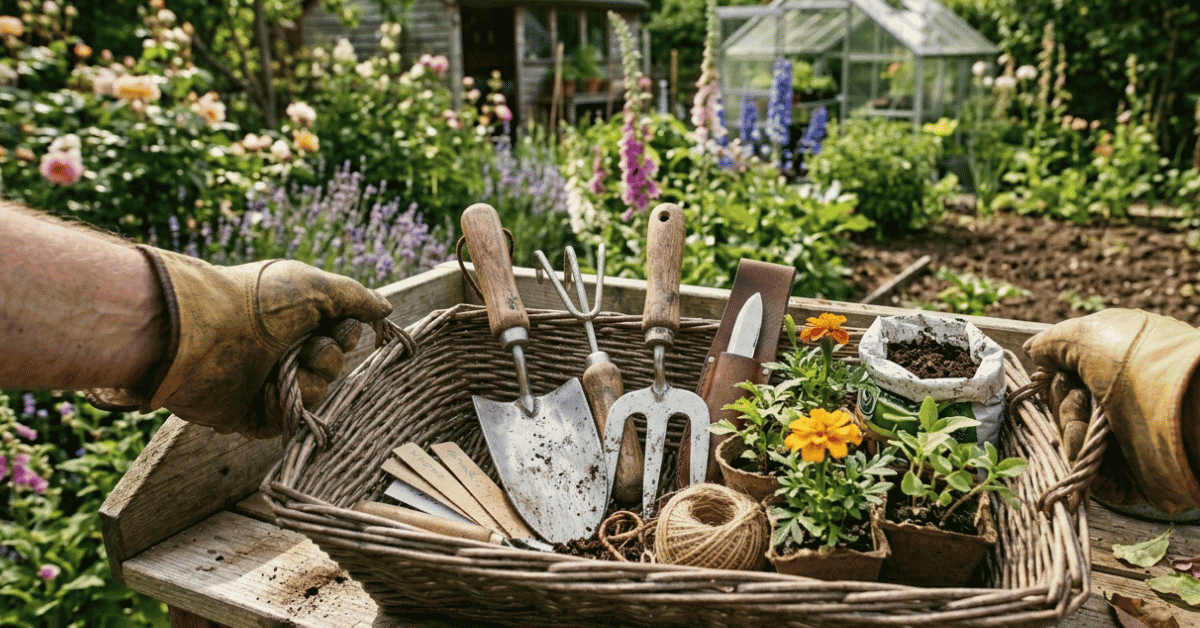
A trowel is like your garden’s little helper. It’s small but mighty. I use mine for planting seedlings.
I scoop out soil for small holes. It’s perfect for transplanting little plants too. Mine has a sturdy handle.
The metal part is tough. It doesn’t bend easily. I have a few different sizes.
A narrow one is good for tight spots. A wider one helps me dig a bit more soil at once.
- Pros: Great for small digging. Easy to handle. Good for delicate work.
- Cons: Not for big jobs. Can’t break up hard soil well.
Your Trusty Digging Fork
This is a beast for tougher earth. A digging fork has strong tines. They can pierce through heavy clay.
I use mine to loosen compacted soil. It’s much better than a spade for this. It lets air and water get into the ground.
It also helps me turn compost. This makes my soil so much richer. I love turning compost.
It smells earthy and alive. Using my fork makes it efficient.
- Pros: Breaks up hard soil. Aerates the ground. Good for turning compost.
- Cons: A bit heavy for very light tasks. Takes up more storage space.
Pruning Shears: For a Clean Cut
These are like scissors for your plants. But they are much stronger. I use pruning shears to trim dead branches.
They help me shape bushes and hedges. They also let me harvest fruits and vegetables. A clean cut heals faster.
This means less chance of disease for the plant. It’s important to keep them sharp. Dull blades can tear stems.
That’s bad for the plant. I’ve got a few pairs. One small pair for delicate flowers.
A larger, sturdy pair for thicker branches.
- Pros: Precise cutting. Keeps plants healthy. Great for harvesting.
- Cons: Need regular sharpening. Not for very thick branches.
The Mighty Garden Hoe
A hoe is a classic for a reason. It’s fantastic for weeding. I use it to scrape away small weeds near the surface.
It also helps me break up soil crusts. It can make shallow trenches for planting seeds. There are different types of hoes.
A standard hoe has a flat blade. A stirrup hoe has a loop shape. The stirrup hoe is great for weeds.
It cuts them from both sides as you pull it. I find a good hoe saves my back.
- Pros: Efficient weeding. Breaks up soil. Easy to use for rows.
- Cons: Can be tiring for large areas. Requires careful use around delicate plants.
Hand Cultivator: Gentle Soil Turning
This tool is like a mini rake for your hands. It has three or four prongs. I use it to loosen the soil around plants.
It’s much gentler than a trowel. This is perfect for flower beds. I also use it to mix in compost or fertilizer.
It helps the nutrients reach the plant roots better. It’s also good for removing small weeds from tight spaces. It feels good running those tines through the soil.
It’s a very therapeutic motion.
- Pros: Gentle soil aeration. Great for tight spaces. Mixes in amendments well.
- Cons: Not for heavy breaking of soil. Limited to smaller areas.
Essential Feature Comparison Table
| Tool | Primary Use | Best For | Material |
|---|---|---|---|
| Trowel | Small-scale digging and planting | Seedlings, small plants, working in beds | Steel, sometimes stainless steel |
| Digging Fork | Loosening hard soil, turning compost | Heavy clay, compacted earth, compost piles | Steel, often forged |
| Pruning Shears | Cutting branches, shaping plants | Pruning, harvesting, deadheading | Hardened steel blades |
| Garden Hoe | Weeding, breaking soil crusts | Removing surface weeds, making small rows | Steel blade, wood or metal handle |
| Hand Cultivator | Gentle soil aeration, weeding | Loosening soil around plants, weeding beds | Steel tines, plastic or wood handle |
Choosing the Right Gardening Hand Tools
It’s not just about having the tools. It’s about choosing the right ones for your needs. I learned this the hard way.
I once bought a cheap set of tools. They rusted quickly. The handles broke.
It was a waste of money.
Material Matters
Look for good quality materials. Stainless steel is great. It resists rust.
It’s also strong. Forged steel is even better. It’s very durable.
Handles should be comfortable. Wood is nice and classic. But it can rot if not cared for.
Plastic or rubber grips are good too. They offer comfort and prevent blisters. A good grip is vital.
My hands can get sore. A comfortable handle makes a huge difference.
Ergonomics and Comfort
This is a big one for me. How does the tool feel in your hand? Does it fit well?
Is the weight balanced? I try to hold a tool before I buy it. A tool that’s too heavy makes me tired fast.
One that’s awkward to hold can cause strain. My wrist has hurt before from bad tools. It’s important to protect your body.
Tools designed for comfort reduce fatigue. That means I can garden longer. I can enjoy it more.
Consider Your Garden Size and Type
Do you have a huge yard or a small balcony garden? This will affect the tools you need. For a small space, light and compact tools are best.
For a larger area, you might need something a bit more heavy-duty. If you have a lot of clay soil, a strong digging fork is crucial. If you mostly grow delicate flowers, you’ll want sharp pruning shears.
Think about what you actually do in your garden.
Maintaining Your Gardening Hand Tools
Taking care of your tools is as important as choosing them. It keeps them working well. It also makes them last for years.
I’ve had some of my tools for over a decade. They are still going strong.
Cleaning After Use
Always clean your tools after you finish. Dirt and plant debris can cause rust. A stiff brush works well.
For tougher stuff, a damp cloth with a little soap can be used. Make sure they are completely dry before storing. This is super important.
Storing wet tools leads to quick rust.
Sharpening is Key
Sharp tools are safe tools. Dull blades can slip. They also damage plants.
Pruning shears and hoes need sharpening. Use a sharpening stone or a file. There are guides available for how to do this correctly.
A few minutes of sharpening can save you a lot of hassle later. My shears glide through branches now. They used to struggle.
Oiling for Protection
After cleaning and drying, a light oiling is beneficial. A bit of vegetable oil or mineral oil on metal parts helps prevent rust. It also keeps them working smoothly.
Wipe off any excess oil. Just a thin layer is needed. This is especially important if you store your tools for the winter.
Protecting them that little bit extra makes them thank you. It’s a simple step that makes a big difference.
Tool Storage Solutions
Where you keep your tools matters. A messy shed is no fun. It’s hard to find what you need.
It can also damage your tools.
- Wall Mounts: These are great for hanging long-handled tools like hoes and forks. They keep them off the floor and organized.
- Tool Boxes/Bags: Perfect for smaller hand tools like trowels and cultivators. Keep them together and protected.
- Pegboards: A versatile option for hanging various tools. You can see everything at a glance.
- Dedicated Shelves: Use shelves for buckets, soil bags, and larger items.
I have a pegboard in my shed. It’s amazing how much tidier it is now. I can grab exactly what I need in seconds.
No more digging through a pile of metal and wood. It’s a game-changer.
The Long-Term Benefits of Quality Hand Tools
Investing in good gardening hand tools isn’t just about immediate convenience. It’s about the long game. It’s about making gardening a joy, not a chore.
When you have tools that work with you, not against you, you’re more likely to spend time in your garden. You’ll tackle bigger projects. You’ll nurture your plants with more care.
This leads to healthier plants and better yields. My garden is my sanctuary. My tools help me keep it that way.
A great trowel helps me plant more flowers. A sharp secateurs helps me prune my fruit bushes for bigger harvests. It all adds up.
You’ll find yourself discovering new possibilities. Like how a simple five-gallon bucket can become a smart growing hack with the right preparation. The quality of your tools impacts the quality of your gardening.
It’s that simple.
Did you know that the right gardening tools can also enhance your physical well-being in the garden?
The correct tools are designed to reduce strain. They help you maintain better posture while working. Repetitive motions become easier.
This means less fatigue and discomfort for you. It encourages more movement and activity. That’s a win-win for your garden and your health.
Learn more about the surprising benefits of your gardening hand tools.
Frequently Asked Questions About Gardening Hand Tools
What is the most essential gardening hand tool?
The trowel is likely the most essential. It’s small and versatile for many tasks. Learn more about must-have gardening tools.
How often should I sharpen my pruning shears?
Sharpen them when they start to feel dull. It depends on usage, but a good check is yearly. Learn more about maintaining your tools.
Can I use household tools for gardening?
Some light tasks might allow it. But dedicated garden tools are stronger and designed for the job. Learn more about gardening tool benefits.
What’s the best material for trowel blades?
Stainless steel offers good rust resistance and durability. Forged steel is even stronger for tough soils. Learn more about choosing quality tools.
How should I store my hand tools in winter?
Clean, dry, and oil them thoroughly before storing. Keep them in a dry place. Learn more about tool care.