
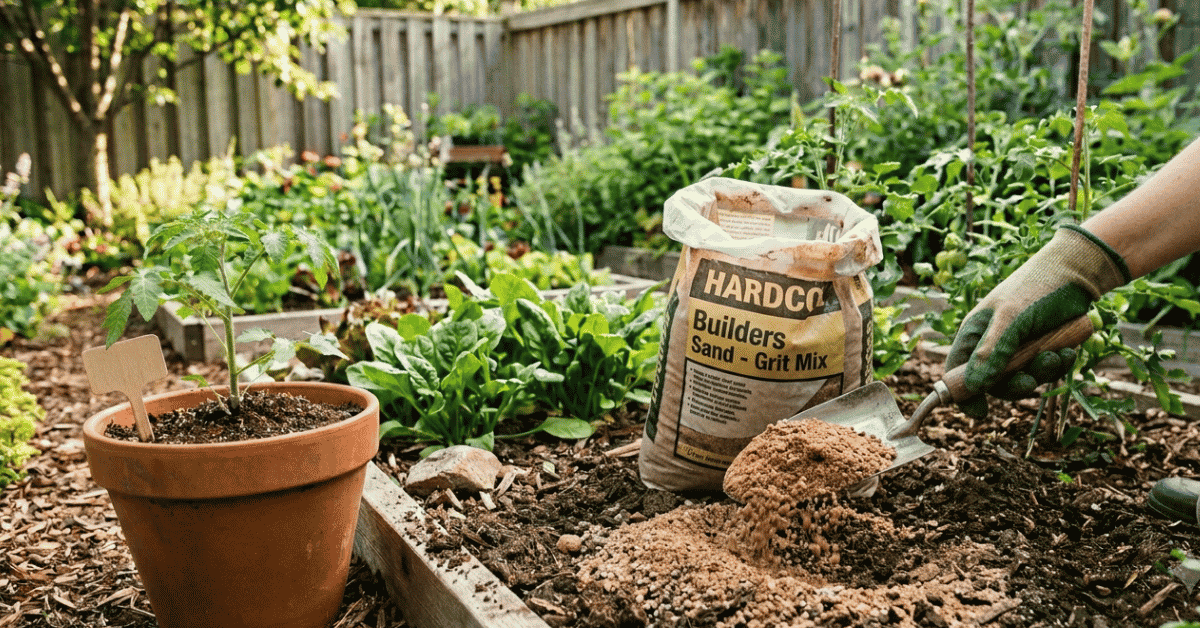
Sand for Garden Bliss: Unlock Healthier Soil!
Gardening can be tough. Your soil might feel like clay. Or maybe it’s too sandy already. builders sand for gardening is a secret weapon.
It fixes many soil problems fast. I’ve used it myself for years. It makes a big difference.
Let me show you why.
Why Do I Need Builders Sand for Gardening?
I remember one spring. My vegetable patch was a disaster area. The soil was heavy clay.
Water just sat there. Plants struggled to grow roots. It felt like a lost cause.
Then, I learned about using builders sand for gardening. I was skeptical at first. Sand?
In my garden? It seemed wrong. But I was desperate.
I dug in a good amount of builders sand. The change was amazing. Within weeks, my soil felt lighter.
Water drained better. My plants perked up. They looked so much happier.
That’s when I knew builders sand was a game-changer for my garden. It’s not just for building houses. It’s a fantastic soil amendment.
What Builders Sand Actually Is
Builders sand is also called sharp sand or grit sand. It’s a coarse sand. It has angular grains.
This is different from play sand. Play sand is rounded and fine. Builders sand is washed and graded.
This means it’s cleaner. It has fewer tiny particles. This makes it perfect for improving soil structure.
It doesn’t clump up like clay. Nor does it blow away like very fine sand. Its angular shape helps it bind together.
This creates pockets in the soil. These pockets are good for air and water.
How Builders Sand Improves Your Soil
Garden soil needs a good balance. It needs to hold water. But it also needs to drain well.
It needs air for roots. Soil that is too compacted has none of that. Builders sand is the key to fixing this.
- Drainage: When I first mixed builders sand into my clay soil, I noticed water wasn’t puddling anymore. It soaked in much faster. This is because the sand grains create space between soil particles. This allows water to flow through. Overly wet soil can kill plant roots. It can lead to rot. Builders sand prevents this.
- Aeration: Roots need to breathe. Compacted soil suffocates them. The spaces created by the sand allow air to reach the roots. My plants grew deeper roots after using sand. They seemed stronger. This is crucial for plant health and growth.
- Structure: Builders sand breaks up heavy clay. It also helps bind very loose, sandy soils. This improves the overall structure. It makes the soil crumbly and workable. This is often called creating a “friable” soil. It’s easier to dig. It’s easier for plants to push roots through.
- Warming: Lighter-colored sand can help soil warm up faster in spring. This is great for getting seeds to sprout early. It gives your plants a head start.
Builders Sand vs. Other Sands for Gardening
It’s important to pick the right sand. Not all sand is created equal for gardening.
| Sand Type | Grain Shape | Particle Size | Best For Gardening Use |
|---|---|---|---|
| Builders Sand | Angular | Coarse | Improving drainage and aeration in clay soils. |
| Play Sand | Rounded | Fine | Usually not recommended; can compact garden soil. |
| Horticultural Sand | Angular/Sub-angular | Coarse to Medium | Similar to builders sand, often pre-washed for gardens. |
I’ve learned that horticultural sand is essentially the same thing as builders sand for garden use. The key is the angular, coarse grain. Play sand has rounded grains.
These can pack down tightly. They can make your soil even worse. I once tried using play sand for my flower beds.
It was a mistake I won’t repeat. The soil became hard as a brick. I had to dig it all out.builders sand for gardening is the way to go.
How to Use Builders Sand in Your Garden
Using builders sand in your garden is straightforward. It’s not complicated. The most common way is to mix it into your soil.
For Clay Soils:
This is where builders sand really shines. Your goal is to break up the heavy clay.
- Test your soil: Dig down about 6-8 inches. Grab a handful of soil. Squeeze it. If it forms a hard, sticky ball, you have clay.
- Loosen the soil: Dig or till the area where you want to improve the soil. Go down about 8-12 inches.
- Add builders sand: Spread a layer of builders sand over the loosened soil. A good starting ratio is about 1 part sand to 3 parts soil. For very heavy clay, you might go up to 1 part sand to 2 parts soil.
- Mix thoroughly: Use a shovel or tiller to mix the sand into the soil. You want it evenly distributed. Don’t just let it sit on top.
- Add compost too: I always add compost with the sand. Compost enriches the soil. It adds organic matter. This combination is powerful. You can learn more about compost benefits at coconut fiber for healthier plants.
For Sandy Soils:
Surprisingly, builders sand can help even sandy soils. It helps bind the particles together. This helps the soil retain moisture and nutrients.
- Loosen the soil: Dig down about 6-8 inches.
- Add builders sand and organic matter: Mix builders sand with compost or coconut gardening products. A good ratio is about 1 part sand to 2 parts compost. The organic matter is key here. It will help hold moisture. You can explore coconut fiber for gardening for more ideas.
- Mix well: Blend everything together thoroughly.
For Raised Beds and Containers:
builders sand for gardening is excellent for making potting mixes. It improves drainage. It prevents compaction.
- Mix your own potting soil: Combine builders sand with compost. Add some peat moss or coco coir. A common recipe is 1 part builders sand, 1 part compost, and 1 part coco coir. Coco coir is a great alternative to peat moss. It’s sustainable and helps retain moisture. Check out coconut coir for gardening. This mix is perfect for raised beds and pots. It also works well for starting seeds.
I love making my own potting mixes. It saves money. Plus, you know exactly what’s in it.
My cucumber plants in containers do so well with this mix.
When Not to Use Builders Sand
There are a few times you should avoid builders sand.
- Very Fine Clay: If your soil is extremely sticky and dense clay, adding too much sand can create a concrete-like substance. This is called “sand-clay” and it’s very bad for plants. Always mix sand with plenty of organic matter in these cases. Or consider other soil amendments.
- Already Sandy Soil: If your soil is already very loose and drains too quickly, you might not need much sand. Focus on adding organic matter to retain moisture. A little sand can help, but don’t overdo it.
- For Specific Plants: Some plants actually prefer wet feet or very specific soil types. Always research your plants’ needs. For example, blueberries prefer acidic soil and don’t like a lot of amendments.
- Play Areas: Never use builders sand for children’s play areas. It’s too coarse. It can cause irritation. Use dedicated play sand for those purposes.
I learned this the hard way with a patch of soil I thought was just “a bit tight.” I added too much sand. It turned into a dry, dusty mess. I had to dig it all out and start over with compost.
How Much Builders Sand Do I Need?
The amount of builders sand you need depends on your current soil type and what you’re trying to achieve.
- Heavy Clay: A general rule of thumb is to use about 1 part builders sand to 2-3 parts soil. For a small garden bed, say 4×8 feet and dug 8 inches deep, you might need around 100-150 pounds of sand.
- Loamy or Sandy Soil: You might only need about 1 part builders sand to 4-5 parts soil. For the same garden bed, this could be 50-75 pounds of sand.
- Container Mixes: For a 10-gallon pot, you might use 1-2 gallons of builders sand.
It’s always better to start with less and add more if needed. You can always dig in more sand later. But it’s harder to take it out.
The Benefits of Adding Copper to Your Soil
While we’re talking about soil amendments, did you know copper can also be beneficial? In small amounts, copper helps plants. It’s involved in enzyme functions.
It helps plants use iron. Too little can cause stunted growth. I found out about copper for your garden when my tomatoes were looking pale.
Adding a small amount of copper helped them green up. It gave my tomato plants an unexpected edge! Remember, too much copper can be toxic.
Use it sparingly and correctly.
Finding and Buying Builders Sand
You can find builders sand at most garden centers or hardware stores. You can also get it from landscape supply yards.
- Bagged Sand: This is readily available at most home improvement stores. It’s easy to transport for smaller projects.
- Bulk Sand: For larger gardens or if you need a lot, buying in bulk from a landscape supply yard is more cost-effective. They often deliver it right to your home.
When you buy it, look for bags labeled “builders sand,” “sharp sand,” or “grit sand.” Make sure it’s washed and clean. Avoid any sand that looks dirty or has lots of small debris. I usually buy mine from a local landscape supplier.
They have great prices for bulk loads.
My Personal Experience and What I’ve Learned
I’ve been gardening for over 20 years. I’ve made my share of mistakes.builders sand for gardening was one of those “aha!” moments for me. It was like unlocking a new level of gardening.
Before I used it, my garden soil was a constant battle. Working with heavy clay felt like a chore. My plants struggled.
Then, I started digging in builders sand. It wasn’t just about drainage; it was about the life in the soil. Worms started showing up more.
The soil smelled richer. My carrots grew straighter. My roses produced more blooms.
It was a visible transformation. It felt good to see my plants thrive.
The key for me was understanding that soil is alive. It’s a complex system. builders sand is not just an inert material. It’s a tool that helps create a better environment for that living system.
It’s important to mix it well. It’s important to add organic matter too. Don’t just dump it on top.
Dig it in. Mix it up.
I’ve also learned that a little goes a long way. For some soils, a light dusting and a good till with compost is enough. For others, a more serious mix is needed.
The coarse sand for soil improvement article talks about how it really packed his soil with life. That’s the goal, better soil, healthier plants. It’s a simple solution.
But it has a profound impact.
Can I use builders sand in vegetable gardens?
Yes, builders sand is excellent for improving drainage and aeration in vegetable gardens. It helps prevent waterlogging. It allows roots to grow better.
Will builders sand make my soil too dry?
If used in the correct ratio, especially with organic matter like compost, builders sand will improve drainage, not dry out the soil excessively. It helps create a balanced moisture level.
Is builders sand safe for all plants?
For most plants, yes. However, if you have plants that require very specific, boggy conditions, builders sand might not be suitable. Always research individual plant needs.
How often should I add builders sand?
You typically add builders sand when initially amending the soil. If your soil becomes compacted over time, you can lightly till some in with compost yearly.
Can I buy builders sand online?
Yes, many online retailers sell bagged builders sand. For larger quantities, local landscape supply yards are usually a better option for delivery. Learn more about coconut gardening.