
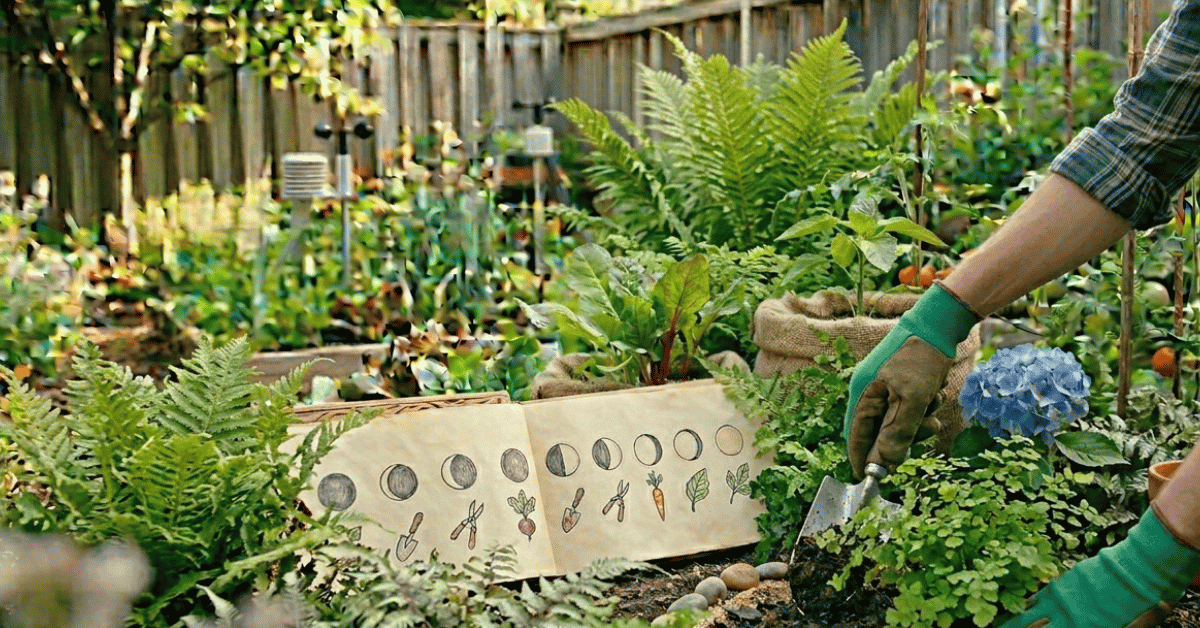
Ferns: Your Shady Garden’s Best Friend
Ready to transform your shady garden spots into lush, green oases? This guide reveals how to cultivate beautiful ferns and unlock their magic. Let’s grow with ferns!
Why Should I Start Gardening with Ferns?
Gardening with ferns was more of an accident for me at first. My backyard has these deep shady corners that nothing else seemed to like. Sun-lovers wilted.
Even some shade-tolerant perennials struggled. Then I noticed the ferns that naturally grew under the big oak trees. They were just… thriving.
It got me thinking. Could I intentionally plant more ferns to fill these neglected spaces? Absolutely!
Ferns are fantastic for a few key reasons. They bring instant lushness. They add incredible texture.
And many are super low-maintenance once they settle in. They truly make my shady spots feel alive and wild.
The Undeniable Appeal of Ferns
Ferns offer a unique kind of beauty. Their fronds unfurl in fascinating shapes. They come in so many shades of green.
Some even have a silvery sheen. They create a sense of timelessness in a garden. It’s like stepping into a prehistoric forest.
I love the delicate look of maidenhair ferns. Then there are the bold, architectural Christmas ferns. Each one tells a different story.
Ferns: Masters of the Shade Garden
This is their superpower. Most garden plants need a good amount of sun. Ferns, however, prefer the cool, dappled light offered by trees or north-facing walls.
They don’t just survive in shade; they prefer it. This makes them perfect for parts of your yard that rarely see direct sun. My old patio area used to be a dark, boring space.
Now, with a mix of ferns, it’s my favorite spot to relax.
Adding Texture and Movement
Beyond just color, ferns bring amazing texture. Their feathery, lacy leaves contrast beautifully with smoother foliage. Think about a dramatic Ostrich fern next to a hosta.
The difference is stunning. Plus, when a breeze blows, their fronds sway and dance. This movement adds a dynamic quality you don’t get with many other plants.
It makes the whole garden feel more engaging.
Low Maintenance Charm
Once you get a fern happy in its spot, it often requires very little fuss. Many native ferns are tough and resilient. They don’t demand constant feeding or pruning.
While some woodland ferns like consistent moisture, others are quite drought-tolerant once established. This ease of care is a big plus for busy gardeners like me. I’d rather spend my time enjoying the garden than constantly tending to it.
Picking the Perfect Ferns for Your Garden
Choosing the right fern is key to success. It’s not a one-size-fits-all situation. Different ferns have different needs.
I learned this the hard way with some delicate varieties. Knowing your garden conditions will guide you to the best choices.
Understanding Your Garden’s Conditions
- Light: This is the most important factor. Does the spot get full sun, partial shade, or deep shade? Most ferns need shade. Some can handle a bit of morning sun.
- Soil: What is your soil like? Is it clay, sand, or good old loam? Ferns generally like well-drained soil rich in organic matter. Some prefer it more acidic.
- Moisture: Is the area consistently damp, or does it dry out quickly? Some ferns love moist soil, while others tolerate drier conditions.
- Space: How much room do you have? Ferns range from small, groundcover types to large, towering specimens.
Popular Fern Varieties to Consider
Here are a few of my personal favorites that do really well for me.
- Ostrich Fern (Matteuccia struthiopteris): These are big, bold ferns. They grow tall and have a wonderful vase shape. They spread by rhizomes, so give them some room. They love moist soil and shade.
- Christmas Fern (Polystichum acrostichoides): This is an evergreen fern. That means it stays green all winter, which is a huge bonus for a shady spot. Its fronds are tough and leathery. It’s pretty adaptable to different soil types and moisture levels.
- Japanese Painted Fern (Athyrium niponicum ‘Pictum’): This fern is a showstopper. It has silvery-blue fronds with hints of burgundy and green. It’s not as big as an Ostrich fern, making it great for smaller spaces. It likes consistent moisture and shade.
- Maidenhair Fern (Adiantum spp.): These are delicate beauties. Their fronds are made up of tiny, fan-shaped leaflets on black stems. They need consistent moisture and high humidity. They can be a bit fussier but are worth the effort if you can provide the right conditions.
Native Ferns: A Smart Choice
I’ve found that choosing ferns native to my region is often the easiest route. They are already adapted to the local climate and soil. This means less work for me and a more sustainable garden.
Plus, they provide habitat and food for local wildlife. My local nursery often has a good selection of native ferns.
Planting and Caring for Your Ferns
Once you have your ferns, planting them properly is crucial. It sets them up for a long, healthy life. Luckily, fern care isn’t rocket science.
Best Time to Plant Ferns
Spring is generally the best time to plant most ferns. This gives them the entire growing season to establish their roots. You can also plant in early fall.
Just make sure they have enough time to settle in before the ground freezes. Avoid planting in the heat of summer.
How To Plant Ferns Properly
- Dig the Hole: Dig a hole that is as deep as the fern’s root ball and about twice as wide.
- Amend the Soil (if needed): If your soil is heavy clay or very sandy, mix in some compost. Good drainage is vital. You can also add some coconut fiber for healthier plants to improve soil structure. I sometimes add coarse sand too, as it really helped my best soil! Check out my thoughts on coarse sand for your garden.
- Place the Fern: Gently remove the fern from its pot. Loosen any circling roots. Place it in the hole so the top of the root ball is level with the soil surface.
- Backfill and Water: Fill the hole with the soil you removed, firming it gently. Water thoroughly to settle the soil around the roots.
Watering Needs
Most ferns appreciate consistent moisture. Water them whenever the top inch of soil starts to feel dry. This is especially true for newly planted ferns.
Once established, some ferns are more drought-tolerant. However, if you live in a dry climate, you’ll still need to water regularly. Avoid letting the soil dry out completely.
Fertilizing: Less is More
Ferns generally don’t need a lot of fertilizer. In fact, too much can harm them. A good layer of compost or mulch applied in the spring is usually enough.
This breaks down and provides nutrients. If you feel your ferns need a boost, use a balanced, slow-release fertilizer at half the recommended strength.
Mulching for Success
A layer of organic mulch around your ferns is a great idea. It helps retain moisture. It also suppresses weeds and keeps the soil cool.
Shredded bark, leaf mold, or compost all work well. Keep the mulch a little away from the base of the fern to prevent rot.
Overwintering Ferns
Many ferns are hardy and will survive the winter outdoors. In colder climates, you might want to give them some extra protection. A layer of mulch applied after the ground freezes can help insulate the roots.
Some evergreen ferns, like the Christmas fern, look beautiful dusted with snow.
Common Problems and Solutions
Even great gardeners face challenges. Ferns are generally hardy, but a few things can go wrong.
Pests and Diseases
Ferns aren’t usually bothered by many pests. Slugs and snails can sometimes munch on new fronds. You can use slug bait or traps to manage them.
Fungal diseases can occur if ferns are kept too wet or have poor air circulation. Ensure good spacing and avoid overhead watering late in the day.
Browning Fronds
- Too Dry: If the fronds turn brown and crisp, the fern probably isn’t getting enough water. Increase your watering schedule.
- Too Much Sun: If the fronds look scorched or faded, they might be getting too much direct sunlight. Try moving the fern to a shadier spot or provide more overhead cover.
- Natural Aging: Fern fronds do age and die. It’s normal for the oldest fronds at the base to turn brown. Simply trim them off at the soil line.
Spreading Too Much
Some ferns, like the Ostrich fern, can spread aggressively via rhizomes. If a fern is taking over, you can either dig up and divide the plant in spring or fall. You can also try to contain its spread by burying a barrier around it.
Creating Fern-Filled Garden Spaces
Imagine a secluded nook under a large tree. Or a damp spot by a water feature. Ferns can make these areas truly magical.
Ferns for Woodland Gardens
A woodland garden is the natural habitat for many ferns. Mix them with other shade-loving plants like hostas, astilbes, and caladiums. The layers of textures and shades of green create a serene and natural feel.
I love adding coconut garden baskets for a rustic touch that fits right in. They also offer an unexpected edge if you’re looking for something unique.
Ferns for Damp Areas
If you have a boggy spot or an area that stays perpetually moist, this is fern paradise. Ferns like the Marsh Fern (Thelypteris palustris) or the Royal Fern (Osmunda regalis) will love it. They add a lush, tropical feel to these often-difficult garden zones.
Ferns for Containers
Don’t have a shady garden? No problem! Many ferns do wonderfully in pots.
Choose a pot with good drainage and use a quality potting mix. Grouping several ferns together in a large container can create a stunning display. Remember that ferns in containers may need more frequent watering than those in the ground.
You might also consider adding some coconut coir for containers.
Ferns as Groundcover
Low-growing, spreading ferns can be used as a beautiful alternative to a lawn in shady areas. They require no mowing and provide lush green cover. The Lady Fern (Athyrium filix-femina) or the Bracken Fern (Pteridium aquilinum) can work well, though always check their mature size.
Fern Growing Q&A
What is the easiest fern to grow?
The Christmas fern (Polystichum acrostichoides) is very forgiving. It tolerates a range of conditions and is evergreen.
When should I water my ferns?
Water when the top inch of soil feels dry to the touch. Consistently moist but not soggy soil is ideal. Learn more about coconut fiber for healthier plants.
Can I grow ferns indoors?
Yes, many ferns thrive indoors in bright, indirect light. Maidenhair ferns and Boston ferns are popular choices for houseplants.
Do ferns need fertilizer?
Ferns need very little fertilizer. A spring top-dressing of compost or mulch is usually sufficient.
How do I deal with brown fiddleheads?
Brown fiddleheads are usually a sign of inconsistent watering or too much sun. Ensure even moisture and provide adequate shade.