Why Your Garden Needs Hay Now!
Want a healthier garden with less work? Discover how simple hay can transform your soil and plants, making gardening easier and more rewarding. Let’s get growing!
What is Hay for Gardening?
Ever wonder what folks mean when they talk about hay for gardening? I used to think it was just for farms and livestock. But I was so wrong!
Hay is simply dried grass, and it’s a secret weapon for us home gardeners. It’s not the same as straw, which comes from grain stalks. Hay is packed with actual grass plants that have been cut, dried, and baled.
This means it has all sorts of good stuff still in it, even after drying. I started using it a few years back, honestly just to try it, and I was amazed at the difference it made. It’s become my go-to for so many garden tasks.
Why Should I Use Hay in My Garden?
Using hay is like giving your garden a big, natural hug. It does so many good things without you having to do much at all. It’s incredibly versatile, which is a big plus for me.
I don’t have a lot of space for fancy tools or tons of different products, so anything that can do multiple jobs is a winner.
Soil Health Booster
The primary reason I love hay is how it improves my soil over time. As the hay breaks down, it adds organic matter. This is like food for your soil.
Good organic matter helps soil hold water better. It also improves drainage, funny enough. Think of it like a sponge.
It can soak up water but also let the extra drip away, so roots don’t get waterlogged. Plus, all those tiny organisms in the soil just love to munch on decomposing hay. They work their magic, making your soil fertile and alive.
I’ve noticed my soil is much looser and easier to dig since I started adding hay. It used to be heavy clay, and now it’s so much better.
Weed Suppressor Extraordinaire
This is a big one for me. Weeds are the bane of every gardener’s existence, right? Hay acts as a fantastic mulch.
When you spread a thick layer over your garden beds, it blocks sunlight from reaching weed seeds. This means fewer weeds pop up. And the ones that do manage to sprout are much easier to pull because the hay keeps the soil moist and loose.
I’ve seriously cut down my weeding time. It used to take me hours every weekend. Now, it’s just a quick pass now and then to pull out any stragglers.
This alone made me a hay convert.
Moisture Retention Champion
In the heat of summer, keeping plants watered can be tough. Hay acts like a blanket for your soil. It helps trap moisture, reducing how often you need to water.
This is huge, especially if you live in a hotter climate or tend to forget to water. It also helps keep the soil temperature more even. It won’t get as scorching hot in the summer or as cold in the shoulder seasons.
My plants seem happier because the soil conditions are more stable. I noticed my tomato plants producing more, even during dry spells, once I started using hay around them.
Nutrient Provider
While not its main job, hay does release some nutrients as it decomposes. It’s not a super-fertilizer, but it adds a slow, steady stream of goodness into the soil. This is great for long-term soil health.
It’s like a gentle feeding for your plants over time. You won’t see a sudden burst, but your plants will be stronger and healthier year after year. It slowly feeds the soil microbes, too, which in turn feed your plants.
How Do I Use Hay in My Garden?
Using hay is super simple. You just need to know a few tricks. It’s not complicated at all.
As a Mulch
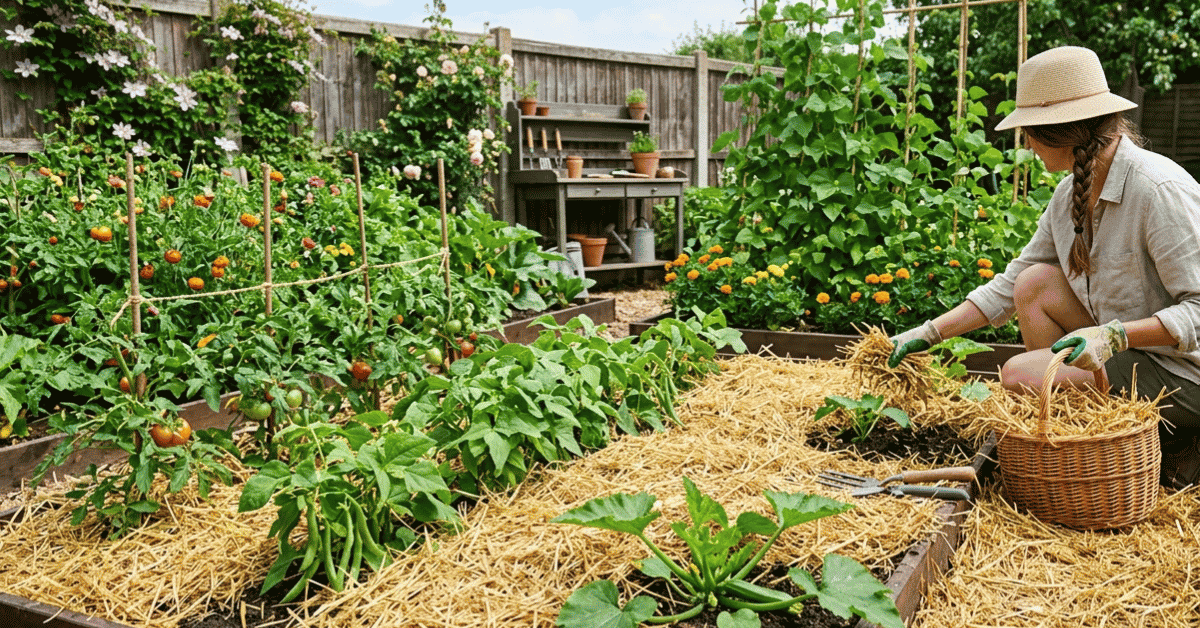
This is probably the most common way to use hay. Spread a layer, about 2-4 inches thick, around your plants. Make sure to keep it a little away from the stems of your plants, especially young ones.
You don’t want moisture building up right against the stems, which can cause rot. I usually do this after I’ve planted my seedlings or sown my seeds. It’s a great way to finish off a planting.
You can do this in your vegetable beds, around shrubs, and even in your flower beds.
Pro-Tip: If you’re worried about hay blowing away, you can lightly water it down after spreading. It helps it settle in.
In Compost Piles
Hay is a fantastic “brown” material for your compost pile. Compost piles need a mix of “greens” (like food scraps and grass clippings) and “browns” (like dried leaves and hay). Hay breaks down well and adds structure, allowing air to flow through your compost.
Just layer it in with your other compost materials. I always have a bale or two of hay on hand for this very reason. It speeds up my composting significantly and results in wonderful, rich compost.
As a Soil Amendment
You can also dig hay directly into your soil, especially in the fall. This gives it plenty of time to break down over winter. Just till it into the top 6-8 inches of your soil.
It will decompose and add a lot of organic matter, making your soil glorious by spring. I tend to do this in beds that are going to be planted later in the season or are currently fallow.
For Starting Seeds
This one surprised me! You can actually start seeds in a little bit of hay. You can use it as a top layer in your seed starting mix.
It helps retain moisture and can even offer some protection. I’ve seen people use bales of hay as giant seed-starting containers, but you can also just use small amounts in your normal seed trays.
What Kind of Hay Should I Use?
This is important. Not all hay is created equal for garden use. Always look for grass hay.
Alfalfa hay is a legume, and while good for soil, it can have a higher nitrogen content that might burn young plants. It’s best to stick with something like Timothy hay, orchard grass, or a mix of common grasses.
Also, be aware of weed seeds. Some lower-quality hay might contain a lot of weed seeds. If you’re using hay from a trusted source that cuts and bales their own, you’ll likely have fewer issues.
If you’re buying from a feed store, ask them about the quality and if it’s been treated with any herbicides. You want to avoid hay that has been sprayed with chemicals.
Golden Rule: Look for “grass hay” and try to find one that’s been harvested before it goes to seed if possible. This minimizes unwanted volunteers in your garden.
Hay vs. Straw: What’s the Difference for Gardeners?
This is a common point of confusion, and I get asked about it a lot. People often mix up hay and straw, but they’re very different for gardens.
| Feature | Hay | Straw |
|---|---|---|
| What it is | Dried grass plants | Dried stalks of grain plants (wheat, barley, oats) |
| Nutrient Rich | Yes, contains leaves and seeds | No, mostly hollow stalks |
| Weed Seeds | Can be present | Generally very few, but can have grain sprouts |
| Decomposition | Decomposes faster, adds organic matter | Decomposes very slowly, acts more as a physical barrier |
| Best Use | Compost, soil amendment, mulch, seed starting | Mulch barrier, bedding, some insulation |
Think of hay as “food” for your soil, it breaks down and adds nutrients and organic matter. Straw is more of a “cover”, it sits on top and suppresses weeds and holds moisture, but doesn’t add a lot of value as it breaks down super slowly. I personally prefer hay for its double-duty benefits of feeding the soil and suppressing weeds.
If my main goal is just a weed barrier, straw is perfectly fine. But for boosting soil health, hay wins.
Potential Drawbacks of Using Hay
Like anything, there are a couple of things to watch out for.
Weed Seeds (Again!)
I mentioned this, but it’s worth repeating. If you get hay with a lot of weed seeds, you can end up bringing more weeds into your garden than you started with. This is why choosing your hay source carefully is key.
Buying from a reputable local farmer is often your best bet. They’ll know what they’re selling.
Mold and Moisture
If your hay gets too wet and stays wet, it can mold. This isn’t usually a big problem for the garden itself, but it can be unsightly and might smell a bit. Also, if you pack it down too tightly, especially when it’s damp, it can become compacted and reduce air circulation.
That’s why I try to spread it evenly and not too thick in one spot.
Not Always Pretty
Let’s be honest, hay isn’t always the most attractive garden adornment. It can look a bit messy if not spread neatly. For a really manicured look, some gardeners opt for other mulches.
But for me, the benefits far outweigh the slight lack of curb appeal. I can live with a little mess for healthier plants and less work.
When is the Best Time to Add Hay to My Garden?
You can add hay throughout the growing season, but there are some prime times.
Spring Awakening
After your last frost, but before your plants get too big, is a great time to lay down a fresh layer of hay mulch. This suppresses early weeds and sets you up for the season. It also helps keep the soil at a good temperature for planting.
You can also work hay into beds that you’re preparing for planting in the late spring.
Summer Shield
If you didn’t get to it in spring, adding hay in early summer is still beneficial. It will help keep your soil cool and moist as the temperatures rise. It really helps reduce wilting on hot days.
Fall Preparation
As mentioned, working hay into your soil in the fall is a fantastic idea. The winter weather helps break it down, and you’ll have amazing soil come spring. It’s a great way to “feed” your garden over the winter.
Anytime for Compost!
Your compost pile doesn’t really have seasons. You can add hay to your compost bin whenever you have it. Just keep layering your greens and browns.
My Personal Experience with Hay
I remember one summer, it was incredibly dry and hot. My garden was struggling. My usual watering schedule just wasn’t cutting it.
My tomatoes were wilting, and the peppers looked sad. I had some hay bales left over in the shed from a previous year, I’d bought them thinking I’d use them for something. On a whim, I decided to mulch my vegetable beds heavily with it.
Within two days, I could see a difference. The soil stayed moist much longer. The plants perked up.
I didn’t have to water nearly as much. It was a game-changer for me that summer. It really cemented my love for this simple, natural material.
It felt like I was cheating, but in the best possible way.
Final Thoughts on Hay for Gardening
So, that’s the scoop on hay for gardening. It’s natural, it’s affordable, and it’s incredibly effective. It helps my soil, keeps weeds down, and retains moisture.
It’s a staple in my garden now, and I think it should be in yours too. Don’t be afraid to experiment with it. Start small, see what you think, and I bet you’ll be as hooked as I am.
Happy gardening!
Do you use hay in your garden? Share your tips below!
Frequently Asked Questions About Hay for Gardening:
Is hay good for vegetable gardens?
Yes, hay is excellent for vegetable gardens. It improves soil, suppresses weeds, and retains moisture, all vital for healthy veggies. Learn more about enhancing your vegetable patch with natural materials.
Can I use hay to mulch my flower beds?
Absolutely! Hay makes a cost-effective mulch for flower beds, benefiting soil and plants while keeping weeds at bay. Discover more about mulching to protect your plant’s roots.
What’s the difference between hay and straw for gardening use?
Hay is dried grass and offers nutrients as it decomposes, while straw is dried grain stalks and acts more as a physical barrier. Learn more about garden mulch options.
How thick should I apply hay as mulch?
Apply hay mulch about 2-4 inches thick, keeping it slightly away from plant stems to prevent rot. Find out more about creating a protective garden layer.
Will using hay attract pests to my garden?
While possible, it’s uncommon. Proper application, especially keeping it from direct contact with plant bases, usually prevents pest issues. Explore natural ways to manage garden pests.