
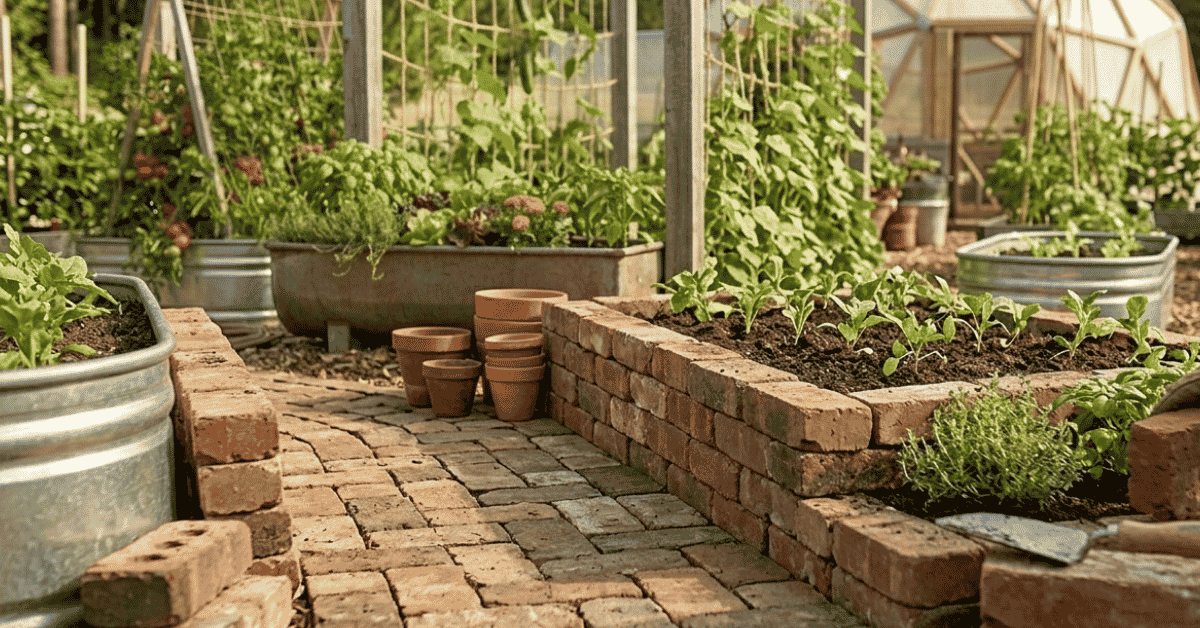
Ever feel like your garden is just… okay? Mine used to be that way. Then I discovered the magic of garden bricks.
They’re not just for patios. They’re a game-changer for my little green space. Let me show you how these simple bricks can elevate your gardening.
What Exactly Are Garden Bricks?
So, what are these mystical garden bricks? Simply put, they are bricks designed for outdoor use. They’re often made from materials like clay, concrete, or even natural stone.
The key is their durability. They need to stand up to weather, soil, and whatever else the garden throws at them. I’ve used them for years to create borders, paths, and even small retaining walls.
They’re more versatile than most people realize.
Different Types of Bricks for the Garden
It’s not just one kind of brick. You’ve got options.
- Clay Bricks: These are classic. They look beautiful and age well. Think rustic and charming. They hold up well but can be a bit pricier.
- Concrete Bricks: These are really tough. They’re usually more affordable too. You can find them in lots of shapes and colors. They’re a practical choice for many projects.
- Stone Bricks: Natural stone adds a real touch of class. Think granite or slate. They look amazing but come with a higher price tag. They are super durable though.
- Reclaimed Bricks: These are old bricks from demolished buildings. They have so much character! They give your garden an instant vintage feel. Finding good quality ones can be a treasure hunt.
My first garden path used reclaimed clay bricks. It felt like I was walking on history, and they still look fantastic today.
Why Use Bricks in Your Garden?
I love bricks because they’re super practical. They make my garden look tidy. They also help keep things in place.
Creating Defined Garden Beds
This is a big one for me. My garden used to be one big messy patch. Now, I use bricks to create neat borders.
This stops grass from creeping into my flower beds. It also keeps the soil from washing away when it rains hard. It makes such a difference.
My plants look so much better when they have their own defined space. You can even create tiered beds for different plants this way.
Building Functional Garden Paths
A good path is essential. I used to just trudge through the mud. Not anymore!
Bricks make fantastic garden paths. They’re stable underfoot. They offer a clean, attractive way to get around.
You can lay them flat or on edge. You can make straight paths or winding ones. I once built a winding path through my vegetable patch.
It made harvesting so much easier, especially after a rain. It’s like this simple garden brick saved my plot.
Adding Levels with Retaining Walls
Got a slope in your yard? Bricks are perfect for building low retaining walls. These walls hold back soil.
They create new level planting areas. They add dimension to your garden. Even a small wall can make a big impact.
It can transform a tricky slope into a usable space. My neighbor built a small terraced garden using bricks. It looks stunning and she can grow so many more plants now.
Decorative Features and Edging
Bricks aren’t just functional. They look great too. You can use them to edge borders, trees, or even flower pots.
They add a finishing touch. They make the whole garden look more polished. I’ve seen people use them to create decorative patterns too.
It’s amazing what you can do with them.
Pros and Cons of Using Bricks
Every garden material has its good and bad points. Bricks are no different.
Pros:
- Durability: Bricks last a long, long time. They can withstand the elements and heavy use.
- Aesthetics: They offer a classic, timeless look. They can complement many garden styles.
- Versatility: You can use them for paths, walls, borders, and more.
- Low Maintenance: Once they’re in place, they need very little upkeep.
- Stability: They create firm, stable surfaces and barriers.
Cons:
- Cost: Bricks can be more expensive upfront than some other materials.
- Labor Intensive: Laying bricks requires effort and some skill. It’s not a quick job.
- Weight: They are heavy to transport and handle.
- Weed Growth: Weeds can grow between bricks if not properly maintained.
I found that using a good base and landscape fabric solved the weed problem for my paths. It was a bit more work at first, but totally worth it.
How to Choose the Right Garden Bricks
Picking the right brick depends on your project and your budget. Think about what you want to achieve first.
Considering Your Garden Style
Is your garden modern and sleek? Or is it more rustic and natural?
- For a formal look: Smooth, uniform concrete or clay bricks work well.
- For a country feel: Reclaimed bricks or natural stone are perfect.
- For a modern touch: Consider colored concrete bricks or even metal bricks (though those are less common for basic gardening).
I lean towards a more natural look, so I love the character of old clay bricks. They just feel right in my garden.
Budget and Quantity
Bricks vary in price. Concrete bricks are usually the most budget-friendly. Natural stone is the most expensive.
Always buy a few extra bricks than you think you’ll need. Things can break, or you might miscalculate. It’s better to have a couple left over than to run short.
Practicalities: Drainage and Frost
If you’re building anything that holds soil, like a raised bed or retaining wall, drainage is key. Bricks allow some water to pass through. But if water gets trapped and freezes, it can damage the bricks.
Look for frost-resistant bricks if you live in a cold climate. I learned this the hard way. A section of my first raised bed cracked after a really harsh winter.
Getting Started: Simple Projects with Bricks
You don’t need to be a master builder to use garden bricks. Here are a few easy ideas.
Project 1: Simple Border Edging
This is probably the easiest project. Dig a shallow trench around your garden bed. Place bricks along the edge, either flat or on their sides.
You can use a rubber mallet to tap them into place. This instantly gives your garden a clean, finished look. It helps keep mulch in too.
I did this around my herb garden and it made a world of difference. It’s like this simple garden brick saved my backyard plot.
Project 2: Creating a Small Patio Area
Even a small area for a chair and table can be lovely. Lay down a base of gravel and sand. Then, lay your bricks closely together.
For a more stable patio, consider mortaring them. But for a simple, permeable path or seating area, you can just lay them. This allows water to soak through.
My little brick patio gets full sun and is my favorite spot for morning coffee.
Project 3: Stepping Stones on a Path
If you have a grassy path, add some stepping stones. Dig a small hole for each brick. Sink the brick so its surface is level with the grass.
This creates a stable walking surface. It’s less work than a full brick path. It also makes a muddy path usable in wetter weather.
These work wonders, like this strange garden brick saved my crops.
A Comparison: Bricks vs. Other Garden Edging
Let’s see how bricks stack up against other common choices.
| Feature | Garden Bricks | Wood | Plastic Edging |
|---|---|---|---|
| Durability | Very High (50+ years) | Low to Medium (5-15 years) | Medium (10-20 years) |
| Look | Classic, timeless, natural | Rustic, natural, can rot | Functional, industrial, less natural |
| Cost | Medium to High | Low to Medium | Low |
| Effort | High to install, low maintenance | Medium to install, needs sealing | Low install, can degrade |
| Eco-Impact | Can be made from recycled materials; heavy | Renewable, but needs treatment | Made from petroleum, can break |
For a long-term, attractive solution, bricks are hard to beat. Wood looks nice but I found myself replacing it every few years. Plastic just doesn’t have the same charm.
Maintenance Tips for Your Brick Features
Keeping your brickwork looking good is simple.
- Weeding: Pull weeds from between the bricks by hand or use a weed puller.
- Cleaning: A stiff brush and water usually do the trick. For stubborn stains, mild soap can help.
- Repairs: If a brick gets damaged, it’s easy to replace just that one.
I try to do a quick weed sweep every couple of weeks. It takes minutes and keeps everything looking neat.
Can Any Brick Be Used in the Garden?
It’s best to use bricks specifically made for outdoor use. Standard building bricks might not be strong enough. They might crumble in frost or heavy rain.
Always check if the bricks are rated for exterior use. They need to handle weather and ground contact. Using the right type ensures your garden features last.
My first attempt used interior bricks, and they looked terrible after one winter. That’s when I looked into what I was missing.
Bricks in My Garden Then and Now
My garden has transformed. Before, it was just beds and grass. Now, with brick paths winding through, and neat borders defining everything, it feels more like a real “garden.” The raised beds I built with bricks allow me to grow more vegetables.
The little brick patio is my sanctuary. It’s incredible how these simple, solid materials have given my garden structure and beauty. It’s a satisfaction that goes beyond just the plants.
It’s about creating a space that works for me. It brought a real joy demands this for gardening now!
Frequently Asked Questions About Garden Bricks
Are garden bricks expensive?
Garden bricks can range in price, from affordable concrete options to pricier natural stone. Your budget will guide your choice. Learn more about garden brick costs.
How do I stop weeds growing between garden bricks?
Weeds can be managed by regular pulling, using a weed brush, or installing landscape fabric underneath before laying bricks. Discover weed-free gardening secrets.
Can I use any brick for my garden path?
It’s best to use bricks designed for outdoor use, as they are more durable against weather and frost. Explore durable garden path materials.
How long do garden bricks last?
Well-laid garden bricks can last for decades, often 50 years or more, due to their inherent durability. Get tips on long-lasting garden structures.
What’s the difference between paving bricks and garden bricks?
Paving bricks are specifically designed for foot traffic and driveways, often being denser and more consistent than general garden bricks. See how paving bricks compare.