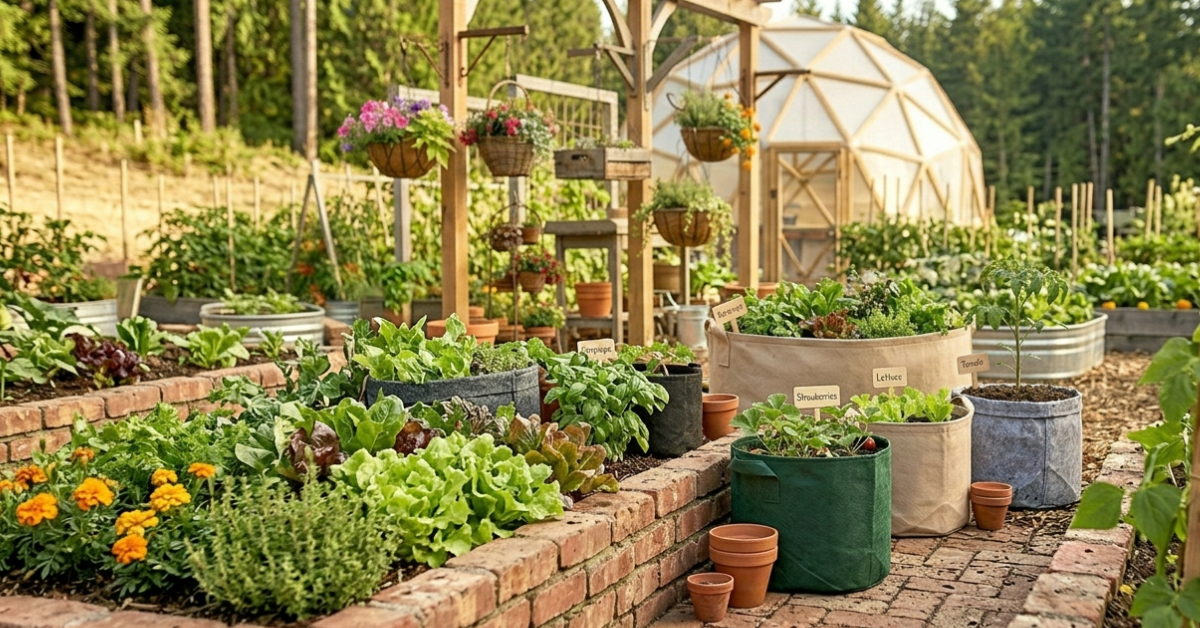
My raised beds are my pride and joy. I’ve spent countless hours building them and filling them with the best soil. But keeping them perfectly watered?
That’s been a challenge. I used to struggle, especially on hot summer days. Over or under-watering meant sad plants.
Then I found solutions for my raised bed gardening watering system.
Why Is a Raised Bed Gardening Watering System So Important?
Honestly, a good watering system for raised beds isn’t just nice to have; it’s often a game-changer. In raised beds, soil dries out much faster than in the ground. Why?
Because the soil is exposed on all sides. This means you need a reliable way to get water to your plants’ roots without a fuss. I’ve learned this the hard way.
A few years back, I went on a week-long trip. I thought my neighbors could handle watering, but they got busy. When I returned, my tomatoes were wilted messes.
My basil looked like it had given up on life. That’s when I committed to a better raised bed gardening watering system. It saved my sanity and my harvest.
Types of Raised Bed Gardening Watering Systems
There are several ways to water your raised beds efficiently. Each has its own pros and cons. I’ve tried a few, and what works best for me might differ for you.
It really depends on your setup and your plants.
Drip Irrigation Systems
Drip irrigation is fantastic. It slowly delivers water right to the base of your plants. This means less water on the leaves, which helps prevent diseases.
Plus, it’s super efficient. You connect a timer, and it does the work for you.
I remember setting up my first drip system. It took a Saturday morning. I laid out the tubing, punched holes for emitters, and connected it all.
The first time it ran, I watched my garden drink. It was slow and steady. My plants looked so much happier from day one.
No more soggy leaves or dry patches. This method is a huge time-saver. I don’t have to stand with a hose for ages.
It’s also great for water conservation. I’ve noticed my water bill actually went down. If you have multiple raised beds, this can be a very cost-effective solution long-term.
Soaker Hoses
Soaker hoses are similar to drip irrigation. They are porous hoses that weep water along their entire length. You just lay them in your raised beds, connect them to your tap, and turn on the water.
My initial thought was, “Wow, this looks easy.” And it is! I used a soaker hose for a small bed of herbs. I simply coiled it around the plants.
It’s great for even coverage. However, I found I had to replace them every couple of seasons. They seem to wear out faster than drip tubing.
Also, sometimes the water distribution isn’t perfectly even, especially if the hose isn’t laid perfectly flat. For a small bed, it’s fine. For larger ones, I prefer drip.
Ollas
Ollas are ancient irrigation vessels. They are unglazed clay pots that you bury in the soil. You fill them with water, and the water slowly seeps out through the porous clay directly into the soil.
These are fascinating. I bought a few for my deeper raised beds. You dig a hole, nestle the olla in, and then fill it with water.
The soil around the olla stays moist. It’s a super passive way to water. No hoses, no timers.
Just fill it up. It’s very water-wise too, because it targets the root zone. The downside?
You have to fill them manually. If you have many beds or are forgetful, it’s not ideal. Also, they can break if not handled carefully.
But for targeted watering, especially for thirsty plants like melons or tomatoes, they’re magical.
Self-Watering Raised Beds
These are raised beds with a built-in reservoir underneath the soil. Water fills the reservoir, and a wicking system draws moisture up into the soil as the plants need it.
I’ve seen these and thought about building one. They are quite clever. You might buy a kit or build a custom one.
The idea is you fill the reservoir from a fill tube. Then, the soil stays consistently moist. This is perfect for busy people or those who travel.
The initial cost can be higher, though. And if the wicking system fails, you have a much bigger problem. For my current setup, I haven’t gone this route yet, but it’s definitely on my radar for the future.
Setting Up Your Raised Bed Gardening Watering System
No matter which system you choose, proper setup is key. You want your system to work reliably. Good planning saves headaches later.
Planning Your System
Before you buy anything, walk through your garden. See how many beds you have. Measure them.
Think about what you’re growing. Tomatoes need more water than herbs, for example. Identify your water source.
Is it a spigot on the side of the house? Or do you need to run hoses a long way?
My first attempt was hasty. I just bought a drip kit and assumed it would fit. It didn’t quite reach all my beds.
Running extra tubing was a pain. Now, I sketch it out. I draw my beds, mark where the water source is, and then plan the layout of hoses or tubing.
This quick sketch saves money and time. This simple garden watering hack saved my plot! was a lifesaver for my initial planning phase.
Choosing Components
For drip systems, you’ll need main tubing, emitters (or soaker tape), connectors, and possibly a filter and pressure regulator. For soaker hoses, it’s simpler, just the hose and a connection to your faucet. Ollas are bought as single units.
When I started with drip, I got overwhelmed by choices. I spent ages looking at emitter flow rates. My advice?
Start simple. For general vegetables, a 1/2 GPH (gallon per hour) emitter is a good starting point. If you have really thirsty plants like squash, you might use two emitters per plant or a slightly higher flow rate.
Look for kits designed for raised beds. They often have most of what you need. This strange garden watering hack saved my crops gave me some great ideas for component selection.
Installation Tips
Lay out your tubing or hoses when the sun isn’t too hot. The tubing will be more flexible. Secure it with stakes so it doesn’t move.
For drip systems, flush the lines before inserting emitters. This clears out any debris. Ensure your connections are snug to prevent leaks.
I learned the hard way about not flushing lines. A tiny piece of plastic clogged an emitter. It took me ages to find it.
Always flush! Also, test the system after installation. Walk around and check for any drips or dry spots.
Make adjustments as needed. This simple garden watering system made my easy backyard plot really hammered home the importance of secure connections.
Best Practices for Watering Raised Beds
Once your system is in place, how do you use it effectively? It’s not just about setting it and forgetting it.
Water Deeply and Less Often
This is crucial for healthy root systems. You want the water to penetrate deep into the soil. This encourages roots to grow down, making plants more resilient to drought.
Shallow, frequent watering makes roots stay near the surface, which is bad.
I used to water a little bit every day. My plants looked okay, but they weren’t thriving. Then I switched to watering deeply once every few days.
I’d let the drip system run for a good hour. The soil would be moist several inches down. My plants got stronger immediately.
You can check soil moisture by sticking your finger in a few inches. If it feels dry, it’s time to water.
Water Early in the Morning
The best time to water is early morning. This allows plants to hydrate before the heat of the day. It also gives leaves time to dry before nightfall, reducing disease risk.
Watering in the evening is okay, but if leaves stay wet overnight, fungal issues can arise.
I made the mistake of watering in the late afternoon once. It was a hot day, and I thought they needed it. But then we had a humid evening.
My tomato leaves got spots. Now, my timer is set for 6 AM. It sounds early, but it’s worth it.
Adjust for Weather
Rain is your best friend, but you need to know when to let your system rest. Hot, dry, windy weather means your raised beds will need more frequent watering. Cool, cloudy days mean less.
After a good rain, I always check my soil. If it’s already damp a few inches down, I skip watering. I don’t want to drown my plants.
Conversely, if it’s been scorching for a week straight, I might let my drip system run a little longer or more frequently. This hidden dark secret for watering changed my plot really highlighted how much weather impacts watering needs.
What to Look For in a Raised Bed Gardening Watering System
When you’re shopping around, keep these things in mind. Not all systems are created equal.
Material Durability
You want a system that will last. Plastic tubing can get brittle in the sun. Metal components can rust.
Look for UV-resistant materials and good quality fittings.
My initial soaker hose lasted only two seasons. It cracked from the sun. Now, I invest in higher-quality drip tubing.
It’s a bit more expensive upfront, but it lasts much longer. Simple bamboo stakes saved my plot are a creative and durable addition to securing watering systems.
Ease of Installation and Maintenance
If you’re not super handy, you want something straightforward. Kits are often a good bet. Maintenance should also be simple.
Can you easily clean filters? Can you replace a worn-out emitter?
I’m not a master plumber. So, I appreciate systems with clear instructions and minimal complex parts. I also like being able to unscrew fittings easily for cleaning or repairs without needing special tools.
Scalability
Can the system grow with your garden? If you add more raised beds next year, can you easily expand your current setup? Drip irrigation is usually very scalable.
You can just add more tubing and emitters.
When I planned my first raised bed setup, I only had two beds. Now I have five. Thankfully, my drip system was easy to extend.
I just bought more tubing and fittings. It was much cheaper than starting over.
Water Efficiency
This is a big one for both your plants and your wallet. Systems that deliver water directly to the root zone are the most efficient. They minimize evaporation and waste.
Drip and ollas are top-notch here. Soaker hoses are decent. Over-head sprinklers are generally the least efficient for raised beds because so much water is lost to evaporation from leaves and the air.
Here’s a quick look at some popular options:
| System Type | Water Efficiency | Installation Ease | Maintenance | Best For |
|---|---|---|---|---|
| Drip Irrigation | High | Medium | Low to Medium | Most raised bed setups, varied plants |
| Soaker Hoses | Medium to High | High | Medium | Smaller beds, simple layouts |
| Ollas | Very High | Medium | Low | Targeted watering, drought-prone areas |
| Self-Watering Beds | High | Medium to High | Low to Medium | Busy gardeners, consistent moisture needs |
Frequently Asked Questions About Raised Bed Watering Systems
How often should I water my raised bed?
Water deeply when the top inch or two of soil feels dry. This might be daily in hot weather or every few days when it’s cooler.
What’s the best watering system for a small raised bed?
A soaker hose or a small drip irrigation kit is usually perfect for a single small raised bed.
Can I use a regular garden hose for raised beds?
You can, but it’s less efficient and requires constant attention to avoid over or under-watering. A dedicated system is better.
Do raised beds need more water than in-ground gardens?
Yes, they typically dry out faster due to increased air circulation around the soil.
Is drip irrigation better than sprinklers for raised beds?
Yes, drip irrigation is much better. It targets roots directly, saves water, and reduces disease.
My journey with raised bed gardening watering systems has been one of learning and improvement. It’s about giving my plants the best chance to thrive without me spending all day with a hose. Real joy demands action for gardening now is the feeling I get when I see my plants flourishing thanks to a smart watering setup.