I used to struggle with my tiny garden space. I’d dream of fresh tomatoes and crisp lettuce, but my actual plot was… well, sad. Then I discovered the magic of plastic tubs for gardening.
These aren’t just basic containers; they’re lifesavers for small spaces and beginner gardeners like me. If you’re looking to grow your own food, even with limited room, plastic tubs are a game-changer. They make gardening accessible and surprisingly rewarding.
Why Plastic Tubs for Gardening Are a Smart Choice
I’ve tried a lot of things in my garden over the years. Raised beds, in-ground planting, you name it. Honestly, when I first saw people using plastic tubs, I was skeptical.
They just looked a bit… well, basic. But I was wrong. So wrong.
I’ve found that these simple tubs solve so many common gardening woes. They’re easy to move, they hold water well, and they keep my plants happy.
Starting Out Simply
When I first started gardening, I felt overwhelmed. So many rules, so much to learn. Plastic tubs made it simple.
I just grabbed a few, filled them with good soil, and planted some seeds. It was that easy. I didn’t need fancy tools or a huge yard.
My first basil plant grew like a weed in a simple black tub. That little success fueled me. It proved that anyone can garden.
These tubs are perfect for that first leap into growing your own food.
Space Saving Superstars
My yard isn’t exactly enormous. I have a small patio and a little bit of lawn. For years, I thought that meant no big garden dreams.
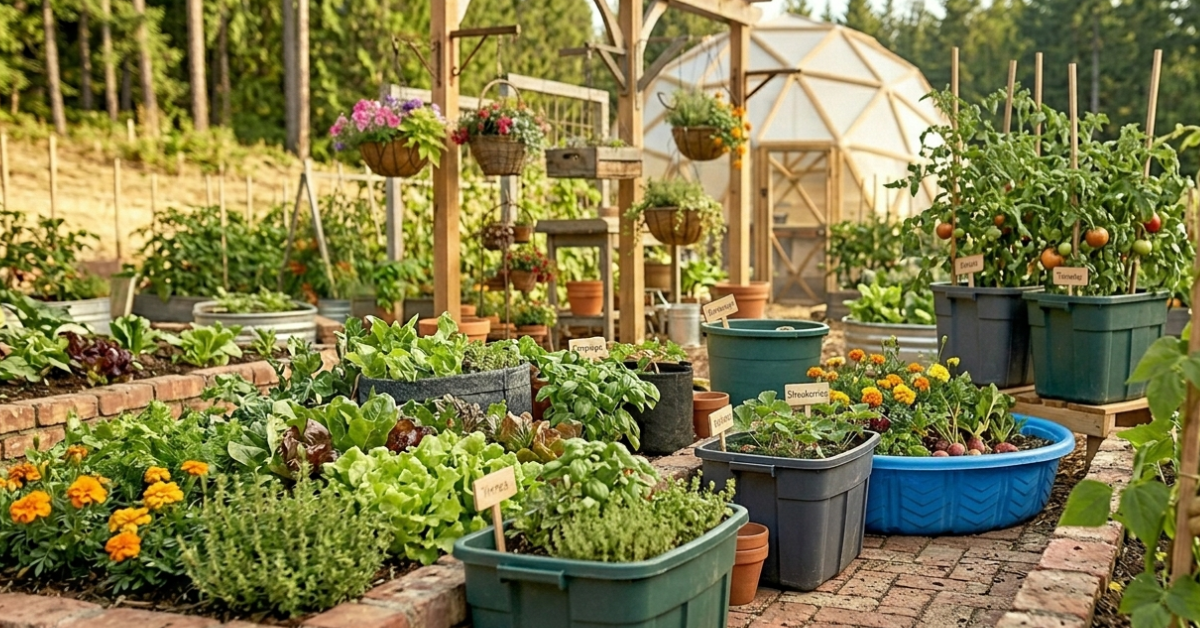
Then, I realized I could put these tubs right on my patio. Stacked on a sturdy shelf, or lined up against a sunny wall, they transform a small area into a productive space. I grow herbs, small vegetables, and even some flowers this way.
It really feels like a secret garden, tucked away on my patio. If you have limited space, like a balcony or a tiny yard, these tubs are your best friend.
Mobility for Sunshine and Smarts
One of the biggest advantages of plastic tubs is their portability. I’ve learned that plants have very specific sun needs. Some love it all day.
Others need shade in the hot afternoon. With a plastic tub, I can easily move my plants. I can chase the sun across my yard.
Or I can pull them back into shade when it gets too hot. This simple act of moving a plastic tub has saved many a delicate plant for me. It’s also handy if you need to get plants out of the way for a party or unexpected weather.
Soil Control and Drainage
When you use plastic tubs, you have complete control over your soil. This is a huge deal, especially if your native soil isn’t the best. I can mix my own perfect soil blend for each type of plant.
Plus, most tubs have drainage holes, or you can easily add them. Good drainage prevents root rot. It keeps your plants healthy and happy.
I’ve had so many issues with soggy ground in my yard, but with tubs, the water drains away. It’s a simple solution to a common problem. This control over soil and drainage is something I really value.
Durability and Cost-Effectiveness
Let’s talk about the practical side. Plastic tubs are tough. They can handle being moved, stacked, and exposed to the elements.
They don’t rot like wooden planters. They don’t rust like metal ones. And, best of all, they are very affordable.
You can find large tubs for very reasonable prices, especially if you look at storage bins at big box stores. Compared to many other gardening containers, the cost savings are significant. This makes gardening accessible without breaking the bank.
Types of Plastic Tubs for Gardening
Not all plastic tubs are created equal for gardening. Some are better for certain plants or situations. Here’s what I’ve learned about the different types.
Standard Storage Totes
These are the workhorses. You see them everywhere, in garages, under beds. They come in all sizes and shapes.
For gardening, I look for ones that are sturdy and opaque. Clear tubs can lead to algae growth in the soil. Black or dark-colored tubs are great for absorbing heat, which can be good for some plants, but too much heat can stress others.
I often use them for larger plants like tomatoes or peppers. They offer plenty of room for root systems.
Large Plastic Buckets
Think of those big, five-gallon buckets. They are fantastic for individual plants. Herbs like mint or basil thrive in them.
They also make great temporary homes for seedlings before you transplant them. The handles make them easy to carry, even when full of soil. You can also find food-grade buckets, which are excellent if you are growing edibles and want to be extra sure about safety.
Repurposed Plastic Containers
This is where creativity shines! You can use all sorts of plastic items. Old laundry detergent buckets (cleaned thoroughly, of course), large plastic food containers, or even cut-off plastic drums.
The key is to ensure they are food-safe if you’re growing edibles and to add drainage holes. I once saw someone use a giant plastic storage bin that had a lid, cutting it in half and using both halves with drainage. It was brilliant and resourceful.
Fabric Pots (Mentioning for Contrast)
While not strictly plastic tubs, fabric pots are often used in similar ways. They are made of a permeable fabric. This allows for great air pruning of roots and excellent drainage.
They are lightweight and easy to store. However, they can dry out faster than plastic, and they might not be as durable in harsh weather. They are a different option if you’re exploring container gardening.
Setting Up Your Plastic Tub Garden
Getting your plastic tubs ready is simple but important. A little preparation goes a long way to ensure your plants have the best chance to grow.
Drainage is Key
I cannot stress this enough: drainage is crucial. Without it, your plants will drown. If your tub doesn’t have holes, you’ll need to make some.
A drill with a good bit works best. Aim for holes spaced a few inches apart across the bottom. You can also drill a few up the sides, about an inch or two from the base.
This helps prevent water from pooling at the very bottom. Don’t be shy; give those roots some air!
Choosing the Right Soil Mix
Don’t just fill your tubs with dirt from your yard. It’s usually too dense for containers. It compacts easily and doesn’t drain well.
A good potting mix is essential. You can buy bags of potting soil from your local garden center. Or, you can make your own.
A common mix is one part compost, one part peat moss or coco coir, and one part perlite or vermiculite. This gives you fluffy soil that drains well and holds moisture. Using a quality soil mix directly impacts how healthy your plants will be.
Placement for Success
Think about where you’ll put your tubs. Most vegetables and herbs need at least 6-8 hours of direct sunlight each day. Observe your yard throughout the day.
Where is the sunniest spot? Consider how you will water. Is the spot close to a water source?
Also, think about wind. High winds can dry out plants quickly and even tip over lighter tubs. Placing them near a wall or fence can offer some protection.
I learned this the hard way when a gust of wind nearly took my prized tomato plant with it. [[This simple garden hack saved my plot!]]
What to Grow in Your Plastic Tubs
The beauty of plastic tubs is you can grow so many things. I’ve had success with a surprising variety of plants.
Herbs Galore
Herbs are probably the easiest thing to grow in tubs. Basil, mint, parsley, chives, oregano, rosemary, they all do wonderfully. They don’t need huge amounts of space, and they love the consistent moisture and warmth that tubs provide.
I have a small herb garden in a few rectangular tubs on my windowsill. It’s amazing to snip fresh herbs for cooking anytime. [[This simple garden hack saved my backyard plot!]]
Fruiting Plants
Believe it or not, you can grow surprisingly large plants in tubs. Tomatoes, peppers, eggplants, and even some varieties of cucumbers and bush beans do very well. You’ll need larger tubs for these, at least 10-15 gallons, to give their roots enough room.
Support staking or caging is also necessary, which can be easily added to a tub. I grow a couple of tomato plants in large tubs every year, and the yield is fantastic. [[This hidden dark secret saved my plot!]]
Leafy Greens
Lettuce, spinach, kale, arugula, these are perfect for tubs. They grow quickly and don’t require deep roots. You can even grow a continuous harvest by sowing new seeds every few weeks.
I like using shallow but wide tubs for leafy greens. This gives me more surface area for planting. They also appreciate a bit of afternoon shade in hotter climates.
Root Vegetables
Carrots, radishes, and beets can be grown in tubs, but you need to choose varieties that don’t grow too deep. Look for “container” or “bush” varieties. Ensure your tubs are deep enough for the specific vegetable you’re growing.
For carrots, a tub at least 12 inches deep is recommended.
Flowers
Don’t forget flowers! Tubs are a wonderful way to add color and life to patios and decks. Many annuals, like petunias, marigolds, and zinnias, thrive in containers.
They also attract beneficial insects to your garden.
Challenges and Solutions for Plastic Tub Gardening
While plastic tubs are fantastic, they aren’t without their quirks. Here’s what I’ve learned to manage.
Overheating
In very hot weather, the plastic can get hot. This can stress plant roots. You can combat this in a few ways.
Painting the tubs a lighter color can help reflect sunlight. Placing them on risers, like small bricks, allows air to circulate underneath. Mulching the top of the soil also helps keep it cooler.
Sometimes, on the hottest days, I’ll slightly mist the outside of the tub to help cool it down.
Drying Out
Plastic tubs can dry out more quickly than in-ground gardens, especially in hot, dry, or windy conditions. You need to check the soil moisture regularly. Stick your finger about two inches into the soil.
If it feels dry, it’s time to water. Using a self-watering planter, which has a reservoir at the bottom, can also be a great solution for tubs. [[Real joy demands this for gardening now.]]
Nutrient Depletion
Because you are using a limited amount of potting mix, nutrients can get depleted faster than in a large garden bed. You’ll need to fertilize your plants regularly. Using a balanced liquid fertilizer every 2-4 weeks is usually sufficient.
Compost tea is also a great natural fertilizer to use. Keeping your plants fed ensures they stay strong and productive.
Aesthetics
Let’s be honest, some plastic tubs aren’t the prettiest things. I’ve seen people get around this by painting their tubs. Use exterior-grade paint designed for plastic.
You can create some really unique and attractive designs. Another trick is to strategically hide less attractive tubs behind larger plants or decorative screens. I’ve also found that many planters are designed to look like terracotta or stone, which can be a nice alternative.
Here’s a quick look at some popular tub choices:
| Tub Type | Best For | Pros | Cons |
|---|---|---|---|
| Storage Totes | Veggies, herbs, larger plants | Affordable, durable, many sizes | Can overheat, less attractive without modification |
| 5-Gallon Buckets | Individual herbs, small plants, seedlings | Portable, affordable, easy to handle | Limited root space for larger plants |
| Repurposed Tubs | Varies based on original item | Eco-friendly, unique, cost-saving | Requires modification (drainage), safety checks |
| Fabric Pots | Most plants (though might dry faster) | Excellent drainage, air pruning, lightweight | Dries out quicker, less durable long-term |
Frequently Asked Questions About Plastic Gardening Tubs
How deep should a plastic tub be for carrots?
For carrots, aim for a tub at least 12 inches deep to allow for proper root growth. Learn more about growing root vegetables.
Can I use any plastic container for gardening?
Yes, but ensure it’s food-safe for edibles and has drainage holes. Clean it thoroughly. Learn more about repurposing for gardening.
Will plastic tubs make my plants too hot?
They can in direct sun. Painting them lighter colors or mulching helps keep the soil cooler. Learn more about preventing plant stress.
How often should I water plants in plastic tubs?
Check the soil daily, water when the top inch feels dry. They dry out faster than garden beds. Learn more about watering techniques.
What is the best soil for plastic tub gardens?
Use a good quality potting mix or create your own blend for optimal drainage and aeration. Learn more about soil mixes.