
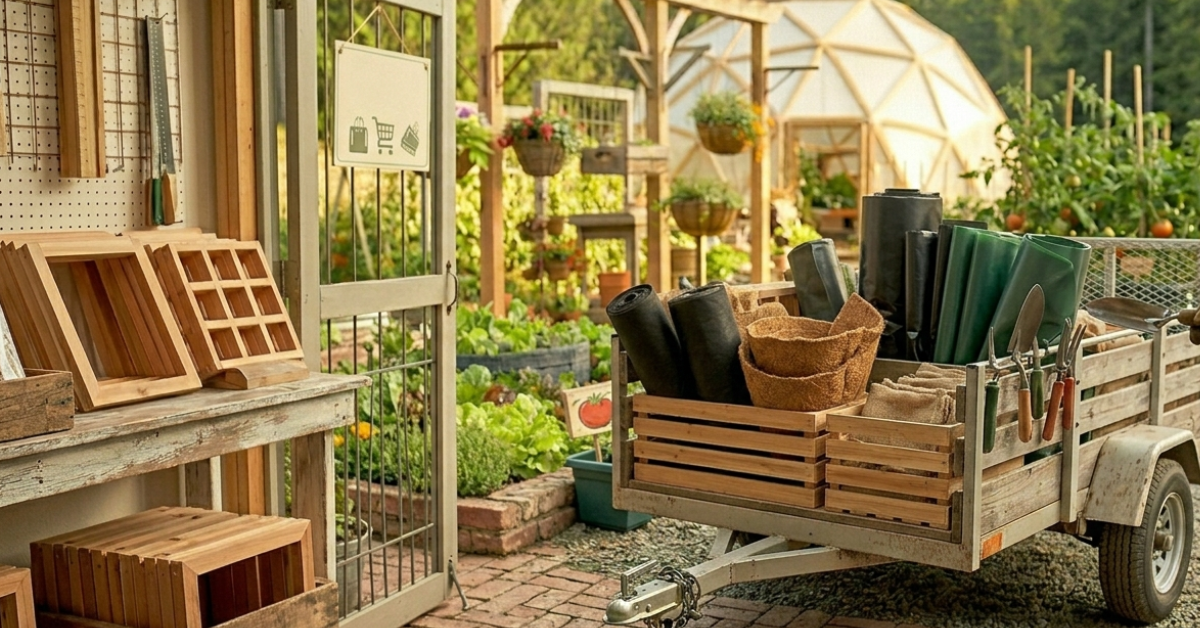
You’re probably looking for a way to keep your garden looking neat. Maybe your soil is washing away. Or perhaps you’re tired of weeds taking over.
I get it. I’ve been there. Let me show you how simple gardening liners can solve these problems.
They’re a game-changer for any yard.
What Exactly Are Gardening Liners?
Honestly, when I first heard “gardening liners,” I pictured something complicated. But they’re super simple. They are basically sheets or mats.
You lay them down in your garden beds. Their job is to create a barrier. They stop certain things from happening.
And they help other things to happen better. Think of them as a helpful shield for your plants and soil. I’ve used them for years now.
They’ve made my gardening life so much easier.
Why Use Gardening Liners in My Garden Beds?
Many reasons! They’re not just for fancy landscaping. I use them for practical stuff.
My number one reason is weed control. Little weeds are a pain. Big weeds are a nightmare.
Liners stop weed seeds from reaching my good soil. It means less bending over. Less pulling.
More time enjoying my flowers.
Another big win is soil retention. Especially on slopes. My garden is a bit hilly.
Before liners, rain would wash away precious topsoil. It was frustrating. Liners hold the soil in place.
It stays where I put it. My plants get the nutrients they need.
They also help with moisture. Liners can keep moisture in the soil. This means I water less often.
That’s a huge plus on hot summer days. My plants get a more consistent drink.
Controlling Those Pesky Weeds
This is where I see the biggest difference. Weeds are sneaky. They pop up everywhere.
Using a liner is like putting up a “no trespassing” sign for them. You just lay it down. Then cover it with mulch or soil.
Most weed seeds can’t push through. It’s amazing really. I remember one year, my entire back patch was overrun.
It took me weeks to clear. Now, with liners, it’s just not a problem. It saves so much elbow grease.
Keeping My Soil in Place
On that little slope I mentioned? It was a constant battle. Every big rainstorm felt like a set-back.
I’d come out and see run-off paths. Some soil was gone. Using a textured liner helped enormously.
It grips the soil. It lets water through slowly. This stops erosion.
My garden beds stay full. My plants stay happy. This has been a blessing for my garden’s health.
Managing Moisture Levels
Hot, dry spells are tough on any garden. I used to worry constantly about watering. Would they get enough?
Too much? Liners help keep the soil evenly moist. They reduce evaporation from the surface.
So, the water I give them sinks in. It stays there longer for the roots. This consistency is vital.
It helps your plants grow stronger. Less stress for them. Less worry for me.
Types of Gardening Liners
It’s not just one kind. They have different materials. Each has its own strengths.
Knowing the types helps pick the best one.
Geotextile Fabric Liners
These are my go-to most of the time. They are made from woven or non-woven synthetic fibers. They are strong.
They let water and air pass through. But they block weeds. They are great for long-term use.
You can get them in different weights. Heavier ones block more. They are durable.
I’ve had some for five years. They still work perfectly.
Plastic or Polyethylene Liners
These are cheaper. They are good for creating water barriers. Like in ponds or planters where you want to keep all the water in.
But they don’t let water through. This can be a problem for garden beds. If water can’t drain, roots can rot.
I only use these in specific situations. Like for a raised bed base if I want to prevent roots from escaping.
Biodegradable Liners
These are made from natural materials. Like jute or coir. They break down over time.
They are eco-friendly. They are good for temporary needs. Or if you don’t want a permanent liner.
They might not last as long as synthetic ones. But they enrich the soil as they decompose. This is nice.
It’s a gentle approach.
Metal or Stone Liners
These are more for edging. They create a strong border. They stop roots from spreading outwards.
Or they keep soil contained in raised beds. They are very durable. But they can be more expensive.
And harder to install than fabric types. I use these more for defining pathways.
How to Install Gardening Liners
It’s not hard. Really. I can do it in an afternoon.
Preparation
First, clear your garden bed. Remove all weeds and rocks. Get the soil nice and level.
If you have a new bed, dig it out to the depth you need. Make sure the surface is smooth. This makes laying the liner much easier.
I always take my time here. A good prep makes the rest simple.
Laying Down the Liner
Unroll your chosen liner. Cut it to size if needed. Lay it flat over the soil.
Make sure there are no big wrinkles. Overlap edges by at least 6 inches. This is super important.
This overlap stops weeds from sneaking through the seams. If you’re using it on a slope, anchor the edges. Use landscape staples or heavy rocks.
I like to use landscape staples. They hold tight.
Covering the Liner
Once the liner is in place, cover it. You can use mulch, gravel, or soil. About 2-3 inches is usually good.
This protects the liner. It also hides it from view. And it adds to the weed-blocking power.
I love topping mine with wood chip mulch. It looks nice. It smells great too.
It breaks down slowly. And it keeps the liner working its best.
When to Use Different Liners for Different Jobs
Not all liners are for all gardens. Think about what you need.
For Vegetable Gardens
I use heavy-duty geotextile fabric here. It’s great for stopping perennial weeds. Things like bindweed or quackgrass.
It keeps my precious veggie soil clean. I also cover it with compost. This adds nutrients as it breaks down.
It’s a win-win. I want the best for my food crops. Healthy soil equals healthy food.
For Flower Beds
Here, I might use a lighter fabric. Or even biodegradable liners. Especially if I’m planting annuals that live for just one season.
It’s less about hardcore weed defense. More about neatness. And keeping mulch where it belongs.
I also like how some biodegradable ones help the soil. It feels more natural for my flowers.
For Ponds and Water Features
This is where plastic liners shine. You need a completely waterproof barrier. Geotextile fabric won’t do this.
It’s designed to let water through. For ponds, you need thick, durable plastic. That’s specifically made for water containment.
It’s a different beast.
For Raised Beds
I often use fabric liners inside raised beds. They help keep the soil contained. They also prevent weeds from growing up from below.
If my raised bed sits on grass, this is a must. Sometimes I use a plastic liner on the very bottom too. Just to be extra sure nothing escapes.
Or to prevent ground chemicals from leaching up.
Gardening Liners vs. Other Weed Control Methods
There are other ways to stop weeds. But liners have unique perks.
| Method | Pros | Cons | Best For |
|---|---|---|---|
| Liners | Long-lasting weed prevention; soil control; moisture retention. | Initial cost; can be labor to install; some don’t allow full drainage. | All-around garden beds, slopes, areas with persistent weeds. |
| Mulch | Suppresses some weeds; retains moisture; improves soil as it breaks down. | Needs regular replenishment; some weeds grow through; can harbor pests. | General garden beds, as a top layer over liners. |
| Manual Weeding | Precise removal; no upfront cost. | Time-consuming; physically demanding; weeds regrow. | Small areas, delicate plants, quick spot treatments. |
| Ground Cover Plants | Natural weed suppression; attractive. | Takes time to establish; some can be invasive. | Large areas, naturalistic gardens, replacing lawn. |
I find that using liners first is key. Then I add mulch on top. This gives me the best of both worlds.
It’s a layered defense. My garden has never looked better. And I’m not spending every weekend battling weeds.
My simple garden liner saved my plot! It really did.
Common Issues and How to Solve Them
Sometimes things go wrong. But usually, there’s a fix.
Weeds Growing Through Gaps
This happens if you don’t overlap enough. Or if the liner is damaged. The solution?
Patch it. Cut a piece of liner. Overlap it on top of the damaged area.
Secure it well. Or, if it’s a small patch, just add more mulch really thick.
Liner Not Draining Well
If you used a plastic liner and it’s too wet. You might need to add drainage holes. Carefully.
Or, reposition the liner if possible. If it’s a fabric liner, it might be too thick for your soil type. Or it’s clogged with fine soil particles.
Try gently loosening the soil above it.
Erosion Under the Liner
This can happen on very steep slopes. If the liner isn’t anchored properly. Use more landscape staples.
Or larger rocks. Make sure the entire edge is secure. Sometimes, adding a steeper grade of liner helps.
One that has a rougher texture for better grip. This issue made me really think about how I secure my liners. My strange garden liner saved my crops from this very problem.
My Personal Experience and Tips
I’ve learned a lot. My first attempt wasn’t perfect. I was impatient.
But the results were still good. Now, I’m a total convert. I try to use liners everywhere.
Even in my small backyard plot. It just makes everything so much tidier.
One thing I love is that they help me use less water. Seriously. I can go longer between watering.
This is great in the dry summers. My plants seem happier too. They don’t have those wilted moments.
I think because the soil stays consistently moist. It’s amazing what a simple barrier can do. My simple garden liner made my backyard plot so much more manageable.
Don’t be afraid to experiment. Try different types. See what works best for your specific garden.
Remember the overlap. That’s the absolute key for weed control. And make sure to cover it well.
It protects the liner. And it looks so much nicer. Using a good liner is one less thing to worry about.
It allows me more time to just enjoy my garden. My hidden dark secret for my plot was much simpler than I thought.
Using Liners with Other Garden Structures
I’ve used them with my simple bamboo stakes to support tall plants. The liner goes down first. Then the stakes go in.
It stops weeds right around the base of my tomatoes or beans. This keeps the nutrients focused on the plant. Not the weeds competing for them.
It works really well.
Are Gardening Liners Worth the Cost?
For me, absolutely. The amount of time and effort they save is huge. Plus, healthier soil and better plant growth.
It’s an investment. An investment in a less frustrating, more beautiful garden. The cost feels small compared to the benefits.
It’s about peace of mind. It’s about enjoying my garden more. It’s about not fighting nature’s desire for constant growth.
I feel like my garden is finally getting the support it needs. That’s why I say, real joy demands this for gardening now.
FAQs
How do I know which gardening liner is best?
Consider your soil type, slope, and main goal, weed control, soil retention, or water management. For general weed control, geotextile fabric is robust. Learn more about…
Can I use gardening liners in any garden bed?
Yes, they are versatile. Raised beds, in-ground beds, and even containers can benefit. Just ensure proper installation for your specific needs.
Learn more about…
Do gardening liners prevent all weeds?
They prevent most. Very persistent weeds might find a way. Proper overlap and a good covering layer greatly reduce their success.
Learn more about…
How long do gardening liners last?
Durability varies. High-quality geotextile liners can last many years, often 5-10 or more, depending on conditions and coverage. Learn more about…
Can I plant directly into the soil over a gardening liner?
Yes, you plant directly into the soil or mulch layer on top. The liner acts as a barrier underneath. Ensure the soil layer is deep enough for root growth.
Learn more about…