I’ve been gardening for years, and let me tell you, finding the right tools makes all the difference. If you’re like me, you want your plants to thrive. One tool I absolutely swear by is gardening net.
It’s changed my whole garden game. This article will show you why and how you can use it.
Why Do I Need a Gardening Net?
Honestly, I used to think gardening nets were just for keeping birds away. That’s it. But boy, was I wrong.
Picture this: a crisp spring morning, you’re out to check on your seedlings, and tiny bugs are already munching away. Or maybe it’s just before a big storm, and you worry about your delicate tomatoes getting battered. That’s where a good gardening net swoops in.
It’s like a superhero for your plants. It stops pests, protects against harsh weather, and even helps support your climbing plants. It’s an affordable, simple tool that protects your hard work and helps your garden flourish.
It’s not a luxury; it’s a necessity for any serious gardener.
Guarding Against Garden Pests
Pests are a gardener’s worst nightmare. They can destroy months of work in days. I’ve lost whole rows of lettuce to slugs and seen my bean plants riddled with holes from various bugs.
It’s so frustrating. That’s why I always have my gardening nets ready. They act as a physical barrier.
Tiny insects can’t get through the fine mesh. Larger pests, like rabbits and deer, are also deterred. I remember one year, my neighbor’s garden was overrun by rabbits.
Mine, protected by netting, was untouched. It was a huge relief.
Common Garden Invaders and How Netting Helps
- Insects: Aphids, caterpillars, flea beetles, and whiteflies are common culprits. Fine-mesh netting stops them dead in their tracks before they can lay eggs or damage leaves. I’ve found this especially helpful for my brassicas, which seem to be a magnet for cabbage moths.
- Birds: While often seen as helpful, birds can peck at ripe berries and seedlings. Netting creates an effective, humane barrier.
- Small Mammals: Rabbits, squirrels, and chipmunks can wreak havoc. Larger mesh sizes or more robust netting can deter these animals. I’ve used it to protect my strawberries from birds and smaller mammals with great success.
- Larger Wildlife: Deer and larger animals might need stronger barriers or different methods, but for many backyard gardens, netting is a good first line of defense.
This simple gardener’s friend can truly save your harvest. https://gardeningtipsideas.com/this-simple-gard…ck-saved-my-plot/
Weather Protection for Your Plants
Gardens face a lot of weather. Intense sun can scorch delicate leaves. Heavy rain can flatten young plants and cause soil erosion.
Frost can kill off seedlings overnight. Gardening nets offer a surprising amount of protection against these elements. It’s not a perfect shield, but it’s a significant help, especially during vulnerable times.
Shielding from Sun, Rain, and Frost
- Sunlight: Some netting, often called shade cloth, can be draped over plants. It diffuses the harsh direct sunlight. This is perfect for plants that prefer partial shade, like lettuce and spinach, especially during the hottest part of the day. I’ve seen plants wilt dramatically when exposed to full sun in July. A simple net saved them.
- Rain: While net lets water through, it can reduce the direct impact of heavy downpours. This prevents soil splashing onto leaves, which can spread disease. It also stops delicate stems from being bent or broken by strong water jets.
- Frost: Lightweight frost cloths, which are a type of netting, can offer a few degrees of protection. They trap a bit of warmth close to the plants. I always use this when an unexpected late frost threatens my young tomato plants. It’s a lifesaver.
Supporting Plant Growth and Structure
Gardening nets aren’t just for defense. They are fantastic for helping plants grow the way you want them to. Many plants need a little help reaching their full potential.
This is where supportive netting comes into play.
Trellising and Support Systems
- Climbing Plants: Peas, beans, cucumbers, and even certain types of squash love to climb. You can string up netting for them to cling to. This saves space, keeps fruit off the ground (reducing rot and pest issues), and makes harvesting easier. I love growing pole beans on a net trellis; it looks so pretty and gives me so much more produce than bush beans. https://gardeningtipsideas.com/this-simple-gard…sy-backyard-plot/
- Vine Management: For plants like tomatoes and melons, netting can help support heavy branches and fruits. You can weave stems through the mesh or tie branches to it. This stops them from breaking under the weight. My tomato plants get heavy, and supporting them with netting has stopped a lot of fruit from hitting the ground. https://gardeningtipsideas.com/this-hidden-dark…-changed-my-plot/
- Seedling Support: For very young, tall seedlings, a loosely draped net can provide gentle support as they establish their roots.
Types of Gardening Nets and Their Uses
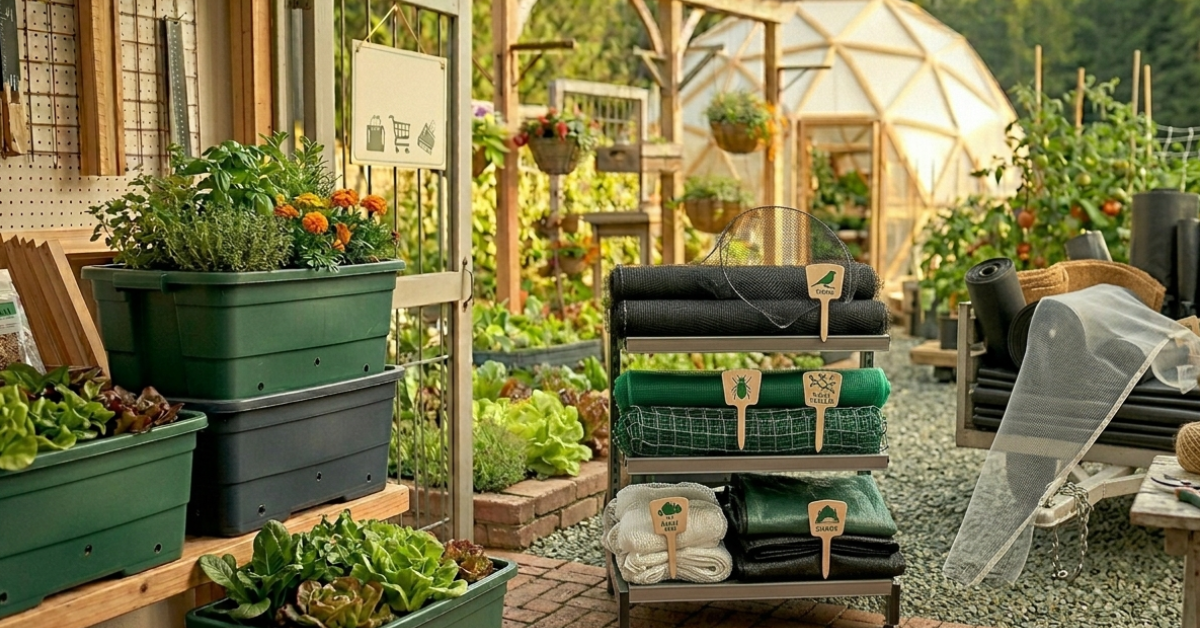
There’s more than one kind of gardening net. Each has a specific job. Knowing the difference helps you pick the right one for your needs.
Mesh Size and Material Matters
- Mesh Size: This is key. Small mesh (like fine insect netting) keeps out tiny bugs. Larger mesh is better for deterring larger pests like birds or rabbits. You can even get very large mesh for supporting climbing vines.
- Material: Most netting is made from plastic, like polyethylene or polypropylene. These are durable, UV-resistant, and lightweight. Some might be made from natural fibers, but these are less common for protection and more for decorative trellising.
Here’s a quick look at some common types:
| Net Type | Mesh Size | Primary Use | Best For |
|---|---|---|---|
| Insect Netting | Very Fine | Protecting seedlings/crops from tiny insects | Aphids, flea beetles, cabbage moths |
| Bird Netting | Medium | Keeping birds away from fruits and berries | Strawberries, cherries, blueberries |
| Hail Netting | Larger Mesh | Reducing damage from hailstones | All garden plants, especially delicate ones |
| Garden Fleece | Very Fine/Solid | Frost protection, mild sun shade, pest barrier | Young plants, sensitive crops, season extension |
| Trellis Netting | Larger Mesh | Supporting climbing plants | Peas, beans, cucumbers, tomatoes, vines |
Getting Started: How to Use Gardening Net Effectively
Putting up gardening net is easier than you think. It doesn’t require fancy tools or a lot of time. You can make a big difference with just a few simple steps.
Installation and Best Practices
- Secure the Edges: Always anchor the edges of your netting well. Use stakes, rocks, or soil to keep it from blowing away or pests from crawling underneath. I dig the edges a few inches into the soil for the best seal.
- Create a Frame: For larger areas or more robust protection, you can build a simple frame using stakes, hoops, or PVC pipes. This keeps the netting taut and creates more space for plants to grow. https://gardeningtipsideas.com/simple-bamboo-st…ks-saved-my-plot/
- Overlap Seams: If you need to join pieces of netting, overlap them well and secure them. This prevents gaps where pests can enter.
- Remove When Not Needed: For crops that need pollination, like squash or tomatoes, make sure to remove netting during flowering if it blocks pollinators. Or, if using for specific pest control, remove it once the pest season is over or the plants are mature enough.
- Check Regularly: Walk around your garden and check the netting. Make sure it’s still secure, not torn, and that no pests have found a way in.
I remember one time I hung bird netting over my raspberry bushes. A week later, I found a small bird had gotten tangled. I gently freed it.
It made me be much more careful about how I secured the netting afterwards. It’s those little moments that teach you. https://gardeningtipsideas.com/real-joy-demands…or-gardening-now/
Common Mistakes to Avoid
- Using the Wrong Mesh Size: Too large and small insects get through. Too small, and it might block too much light or prevent pollinators from reaching flowers.
- Not Securing Properly: This is the biggest mistake. If it flaps in the wind or pests can get underneath, it’s useless.
- Forgetting About Pollinators: Some nets can block bees and other beneficial insects. Be mindful of when your plants need to be visited.
- Leaving it Tattered: Torn netting offers less protection and can even become a hazard to wildlife. Repair or replace it.
Frequently Asked Questions About Gardening Net
Is gardening net reusable?
Yes, most gardening nets are quite durable and can be used for several seasons if stored properly.
Can gardening net protect against hail?
Yes, specially designed hail netting with a denser weave can significantly reduce damage from hailstones.
What’s the best gardening net for rabbits?
Larger mesh sizes, around 1 inch or more, made from sturdy plastic, are effective against rabbits.
Should I cover my entire garden with netting?
It depends on your needs. Commonly, it’s used for specific plants or areas prone to certain pests or weather issues.
How do I store gardening net when not in use?
Clean it, dry it completely, and store it in a cool, dry place, away from direct sunlight, typically in a bin or bag.