
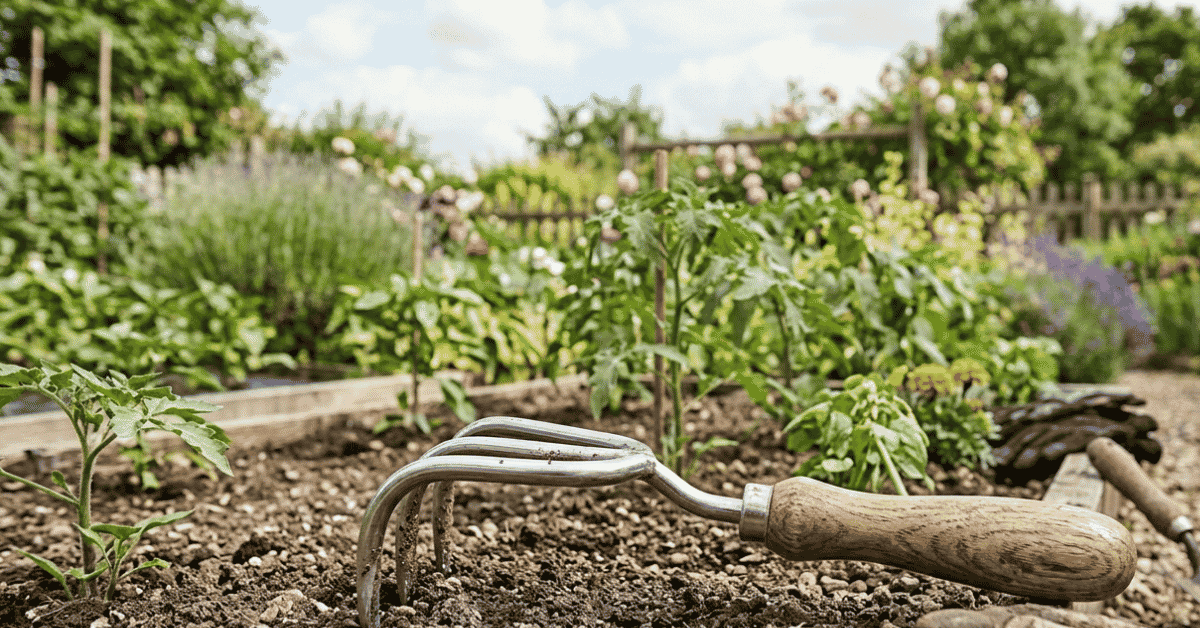
A claw gardening tool loosens soil, pulls weeds, and saves time. Learn how to use it well and make garden work much easier.
I first picked up a claw gardening tool on a damp spring morning. My garden soil felt hard as brick. Digging was slow and tiring. After a few minutes with a claw tool, the soil broke apart with ease. Since then, it has become one of my most-used garden tools. Let me show you why.
Is a Claw Gardening Tool Worth It?
Yes. For many gardeners, a claw gardening tool is a simple but powerful helper.
When I first started gardening, I used only a shovel and hand trowel. They worked, but some jobs took far too long. A claw gardening tool made soil prep faster and less tiring.
It works well for:
- Loosening soil
- Mixing compost
- Pulling weeds
- Breaking soil clumps
- Preparing planting beds
For small and medium gardens, it can save both time and effort.
What Is a Claw Gardening Tool?
Many people see one in a store but are unsure how it works.
A claw gardening tool has curved metal tines that dig into the soil. The design helps break up dirt with less force.
Basic Design
Most claw tools have:
- Curved claws
- A handle
- Strong steel tines
Some are hand-held. Others have long handles for standing use.
I own both types because each serves a different purpose.
How It Works
The claws grip the soil.
As you twist or pull, the dirt loosens and breaks apart.
This helps improve:
- Soil texture
- Air flow
- Water movement
Healthy soil often means healthier plants.
Benefits of Using a Claw Gardening Tool
A good garden tool should make work easier.
That is exactly what a claw gardening tool does.
Breaks Up Hard Soil
Compacted soil can slow plant growth.
I once had a garden bed that felt almost solid. Water pooled on top after rain.
A claw gardening tool helped loosen the soil without heavy digging.
Benefits include:
- Better drainage
- Easier root growth
- Improved soil structure
Makes Weeding Easier
Weeds love tight soil.
The claw helps loosen roots before pulling.
This means:
- Fewer broken roots
- Faster weed removal
- Less strain on your hands
I use mine every week during peak growing season.
Mixes Compost Quickly
Adding compost helps enrich garden beds.
A claw gardening tool blends materials into the soil with little effort.
It works well for:
- Compost
- Organic matter
- Soil blends
The mixing process feels much faster than using a shovel.
Reduces Physical Strain
This was one of the biggest benefits for me.
Long garden days can be hard on the back and shoulders.
A claw tool reduces the need for:
- Heavy digging
- Deep bending
- Repeated lifting
That makes gardening more enjoyable.
Types of Claw Gardening Tools
Not all claw tools are the same.
Choosing the right type depends on your garden size.
Hand Claw Gardening Tool
This small version fits in one hand.
Pros:
- Great control
- Easy storage
- Good for containers
Cons:
- Slower for large areas
I use mine for raised beds and flower pots.
Long-Handled Claw Gardening Tool
This style lets you work while standing.
Pros:
- Less bending
- Faster coverage
- Better for large beds
Cons:
- Larger storage space
It is ideal for bigger gardens.
Rotary Claw Tool
Some claw tools rotate as you twist.
Pros:
- Easy soil penetration
- Quick cultivation
- Less effort
Cons:
- Higher cost
These tools work well in compacted soil.
How to Use a Claw Gardening Tool Correctly
A simple technique can improve results.
I learned this after a few seasons of trial and error.
Start With Moist Soil
Very dry soil can be difficult to work.
Lightly moist soil is easier to loosen.
The best time is often:
- After light rain
- Early morning
- After watering
Work in Small Sections
Do not rush.
Focus on one area at a time.
This gives:
- Better soil texture
- More even results
- Less fatigue
Use Gentle Pressure
You do not need brute force.
Let the claws do the work.
Twist and pull smoothly.
The tool is designed to break soil naturally.
Remove Debris as You Go
Pull out:
- Roots
- Stones
- Large weeds
This keeps the bed clean and ready for planting.
Claw Gardening Tool vs Other Garden Tools
Each tool has strengths and limits.
The right choice depends on the task.
| Feature | Claw Gardening Tool | Shovel | Garden Fork |
|---|---|---|---|
| Soil Loosening | Excellent | Good | Very Good |
| Weed Removal | Excellent | Fair | Good |
| Compost Mixing | Excellent | Good | Good |
| Ease of Use | High | Medium | Medium |
| Heavy Digging | Fair | Excellent | Good |
| Small Spaces | Excellent | Fair | Fair |
I often use a claw gardening tool first and a shovel only when needed.
Best Garden Tasks for a Claw Gardening Tool
Some jobs are perfect for this tool.
Preparing Vegetable Beds
This is where my claw tool shines.
It helps:
- Loosen soil
- Mix compost
- Remove weeds
The bed becomes ready for planting much faster.
Working Around Plants
Large tools can damage roots.
A claw gardening tool allows more precise work.
This helps near:
- Tomatoes
- Peppers
- Herbs
- Flowers
Raised Bed Gardening
Raised beds often have limited space.
The claw reaches tight spots with ease.
I use mine in raised beds almost every week.
Container Gardening
Hand claw tools work very well in pots.
They help refresh soil without harming roots.
Common Mistakes to Avoid
Even simple tools can be used poorly.
I made several of these mistakes early on.
Using It in Bone-Dry Soil
Hard soil increases effort.
Add water first if needed.
The work becomes much easier.
Digging Too Deep
Many plant roots sit near the surface.
Deep digging can damage them.
Stay focused on the top soil layer.
Ignoring Tool Maintenance
A dirty tool wears out faster.
Clean it after use.
Remove soil and moisture before storage.
Choosing the Wrong Size
Small tools work best in small areas.
Large gardens often need a long-handled model.
Match the tool to your space.
How to Maintain a Claw Gardening Tool
Good care extends tool life.
Luckily, maintenance is simple.
Clean After Each Use
Brush away:
- Dirt
- Mud
- Plant matter
This prevents buildup.
Dry Before Storage
Wet metal may rust.
I always let my tools dry before putting them away.
Check for Damage
Look for:
- Loose handles
- Bent tines
- Rust spots
Small repairs prevent larger issues later.
Store in a Dry Place
A shed or garage works well.
Proper storage keeps the tool ready for the next season.
My Favorite Reasons to Keep One Nearby
Over the years, I have bought many garden tools.
Some sit untouched for months.
My claw gardening tool never does.
It helps with soil prep, weed control, and compost mixing. It saves time and reduces effort. Most of all, it makes gardening feel easier.
When a tool earns a permanent place in my shed, it has proven its value. A claw gardening tool has done exactly that.
FAQs
What is a claw gardening tool used for?
A claw gardening tool loosens soil, removes weeds, and mixes compost. It works well in beds, containers, and small garden spaces. Learn more about soil preparation.
Is a claw gardening tool good for raised beds?
Yes. A claw gardening tool is ideal for raised beds because it loosens soil in tight spaces without harming nearby plants. Learn more about raised bed care.
Can a claw gardening tool remove weeds?
Yes. A claw gardening tool helps loosen weed roots before pulling them out, making weed control faster and more effective. Learn more about weed removal methods.
What is the difference between a claw gardening tool and a garden fork?
A claw gardening tool excels at cultivation and mixing soil, while a garden fork handles deeper digging. Both have useful roles. Learn more about garden tools.
How long does a claw gardening tool last?
A quality claw gardening tool can last many years with proper cleaning, storage, and routine maintenance. Learn more about tool care and upkeep.