
Tired of back-breaking yard work? I get it. I used to spend my weekends covered in dirt, pulling weeds until my hands ached.
But what if I told you there are ways to have a beautiful, bountiful garden without all the sweat? It sounds too good to be true, right? Stick with me, and I’ll show you my proven methods for achieving gardening without work, making your green dreams a reality.
What is Gardening Without Work?
This is the big question, isn’t it? For me, gardening without work means creating a system where nature does most of the heavy lifting. It’s about working smarter, not harder.
I’ve spent years experimenting in my own yard, and let me tell you, it’s incredibly rewarding. It’s the opposite of the back-breaking chore many people imagine. Think less digging, less constant watering, and way, way fewer weeds.
It’s about setting up your garden once, then enjoying the bounty with minimal upkeep. I remember one year, I was so busy with work, I thought my vegetable patch was a lost cause. But astonishingly, it thrived with just a little bit of initial setup.
It felt like magic!
Smart Garden Design for Lazy Gardeners
The key here is planning. A little thought upfront saves a ton of effort later. My garden used to be a constant battle.
Now, it’s a peaceful haven.
Raised Beds and Containers
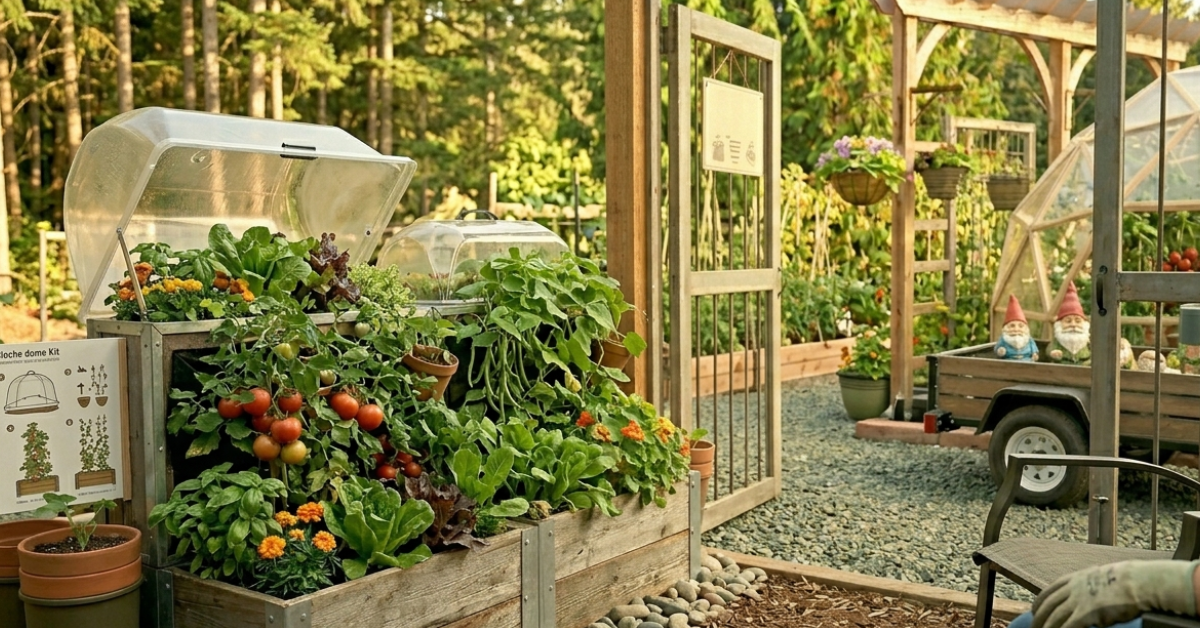
These are my best friends. Building raised beds means less bending over. Plus, the soil drains better.
Containers are even easier. You can put them anywhere! On a patio, a balcony, even a sunny windowsill.
I’ve grown tomatoes out of old buckets. It’s amazing what you can do with a little creativity. They also help control soil quality.
No more guessing if your native soil is good enough. It’s all in your control.
Mulching Madness
Mulch is a garden’s superhero cape. I use straw, wood chips, or even shredded leaves. It smothers weeds, keeping them from popping up.
It also keeps the soil moist. This means less watering for you! I’ve found that a thick layer of mulch makes a huge difference.
I rarely have to pull weeds in my mulched beds anymore. It’s a game-changer for anyone wanting to relax more.
Plant Selection: Choose Wisely
Not all plants are created equal when it comes to effort. Some are divas, needing constant attention. Others are champs, perfectly happy with little fuss.
Perennials Rule
Perennials come back year after year. You plant them once, and they grow for seasons. Think of hostas, peonies, or lavender.
They establish roots and bloom without you doing anything. I have a patch of lavender that’s been going strong for five years. It smells divine and attracts bees, and I do almost nothing to it.
It’s truly set-it-and-forget-it gardening.
Drought-Tolerant Varieties
If you live in a dry climate, or just don’t want to water daily, choose plants that can handle it. Succulents, certain herbs like rosemary, and many native plants are perfect. They’re built tough.
They don’t demand constant hydration like some delicate flowers. My sedum garden on the sunny side of the house gets watered maybe twice a summer. It looks beautiful all season long.
Low-Maintenance Gardening Techniques
Beyond the physical setup, there are methods that drastically cut down on tasks. These are the secret weapons of the relaxed gardener.
Drip Irrigation Systems
Watering by hand can be a chore. A drip irrigation system does it for you. It delivers water directly to the plant roots.
This is super efficient. You also avoid watering leaves, which can prevent diseases. I set my timer, and the garden gets watered consistently.
Even when I’m away on vacation, my plants stay happy. It’s such a relief to have that taken care of. This is a big step towards gardening for busy parents successfully.
Companion Planting
Some plants help each other out. Certain combinations can deter pests or improve growth. For example, planting basil near tomatoes is said to repel tomato hornworms.
Marigolds are great all around pest deterrents. It’s like nature’s pest control service. I’ve found this reduces my need for sprays too.
It’s a win-win for my garden and my peace of mind.
No-Dig Gardening
This is a concept I absolutely love. Instead of tilling the soil every year, you just add compost and mulch on top. The worms do the work of mixing it in.
This improves soil structure over time. It also prevents weed seeds from germinating. My soil has never been healthier since I stopped digging.
It’s less work and better for the soil life. This truly embodies the spirit of my ultimate encyclopedia of gardening.
Ground Cover Plants
Instead of bare soil or grass that needs mowing, use low-growing plants. They act like a living mulch. They suppress weeds and look lovely.
Think creeping thyme, sedum, or clover. They spread out and cover the ground. It’s a beautiful way to fill spaces.
I use creeping thyme between my stepping stones. It smells amazing when you walk on it.
Setting Up Your Effortless Garden: A Practical Guide
Let’s break down how to actually start. It’s not as daunting as it seems.
Step 1: Map Your Space
Where does the sun hit? Where is the water source? What soil do you have?
These are crucial questions. Knowing your garden’s personality will help you choose the right plants and methods. I walk around my yard at different times of day to see the light patterns.
Step 2: Choose Your Method
Will you use raised beds? Containers? Or improve your existing soil with no-dig methods?
Decide what fits your space and energy levels best. For a small patio, containers are perfect. For a larger yard, raised beds are fantastic.
Step 3: Select Your Plants
Based on your light, water, and chosen method, pick low-maintenance plants. Focus on perennials and drought-tolerant varieties. Don’t be afraid to ask for advice at your local garden center.
They often have great tips for your specific area. I always look for plants labeled “hardy” or “easy care.”
Step 4: Implement Your Low-Effort Systems
Install drip irrigation if you’re using it. Lay down thick mulch. Plant your chosen ground covers.
This is the upfront work that pays off for years. It’s like investing in your future relaxation.
A Comparison of Effort Levels
Here’s a quick look at how different gardening approaches stack up in terms of work involved.
| Gardening Method | Initial Setup Effort | Ongoing Maintenance | Weed Control | Watering Needs |
|---|---|---|---|---|
| Traditional Tilled Garden | Moderate | High | High | High |
| Raised Beds with Mulch | High | Low | Low | Moderate |
| Container Gardening | Moderate | Moderate | Moderate | Moderate to High |
| No-Dig Garden | Moderate | Low | Low | Moderate |
| Xeriscaping/Drought-Tolerant | High | Very Low | Very Low | Very Low |
This table really shows the value of getting this right from the start. A bit more effort now means a lot less later. I’ve experienced this myself with my all new square foot gardening success secret.
Making Your Garden a Haven, Not a Hassle
It’s all about embracing a different mindset. Instead of fighting nature, you’re working with it. I used to feel guilty for not weeding every single day.
Now, I see my garden thriving with minimal intervention, and it feels so much better. It frees up my time and energy for other things. You can still have beautiful blooms and fresh vegetables without it consuming your life.
It is a joyous way to garden. It’s about finding that sweet spot where beauty and ease meet.
Frequently Asked Questions About Effortless Gardening
What are the easiest vegetables to grow with minimal work?
Zucchini, bush beans, and cherry tomatoes are super easy. They grow fast and produce a lot. Learn more about my raw guide to vegetable gardening.
How much water do low-maintenance gardens really need?
They need less, especially with mulch and drip systems. Deep watering less often is better than frequent shallow watering.
Can I really have a beautiful garden without doing much work?
Yes, absolutely! Smart design and plant choices make it possible. Explore even more approaches in my honest encyclopedia of gardening.
Is starting a low-effort garden expensive?
Not necessarily. You can upcycle containers and use free mulch like leaves. Start small and build over time.
What’s the biggest mistake people make when trying to garden with less effort?
Not planning enough upfront. Investing time in setup saves future headaches. Check out my best all-new gardening book review for more insights.