5 Secrets to Pacific Northwest Gardening Success
Discover the magic of Pacific Northwest gardening! This guide unlocks the secrets to a thriving, green haven, perfect for your region. Get started today!
(135 characters)
The rain, the mist, the lush green, it’s what makes our corner of the world so special. And it’s what makes gardening here a unique joy. I’ve spent years digging in my own soil, battling slugs, and celebrating those glorious blooms.
It’s not always easy, but it’s always worth it. I’m going to share what I’ve learned to help your garden flourish, no matter your experience level.
Why is Pacific Northwest Gardening Different?
People often ask me what makes gardening in the PNW so unlike other places. It’s a great question! Our region has some very distinct characteristics that shape what grows well and how we need to care for it.
Understanding these points is the first step to a successful garden. Think of it as knowing the rules of the game. Once you know them, you can really start to play.
My biggest learning curve was the sheer amount of rain. We get a lot of it! This is fantastic for keeping things green, but it can also create challenges.
Waterlogged soil is a big no-no for many plants. Drainage becomes super important. Also, our mild winters mean that some pests and diseases can hang around all year.
We don’t get those hard freezes to wipe the slate clean like in colder climates. The amount of daylight hours also shifts dramatically between summer and winter. This impacts when we can plant and what will thrive.
The Role of Our Climate
Let’s break down our climate a bit more. We live in a temperate rainforest, for the most part. That means cool, wet winters and warm, dry summers.
This is often called a Mediterranean-like climate, but with much more persistent cloud cover and rain in the cooler months. Our summers can feel like a drought for the garden if we’re not careful. I’ve learned to love my rain barrel system for those dry spells.
The Pacific Northwest can be split into a few microclimates too. The coast gets more rain and wind. Inland areas, east of the Cascades, are much drier and have hotter summers and colder winters.
This guide focuses on the wetter, western side, as that’s where most of us gardeners are. Knowing your specific spot helps choose the right plants.
Soil Matters Here
Our soil can be tricky. It’s often acidic, especially under our native evergreen trees. It can also be heavy clay, which drains poorly.
I find myself constantly amending my soil. Adding compost is my number one trick. It helps with drainage in clay and adds nutrients to sandy or depleted soils.
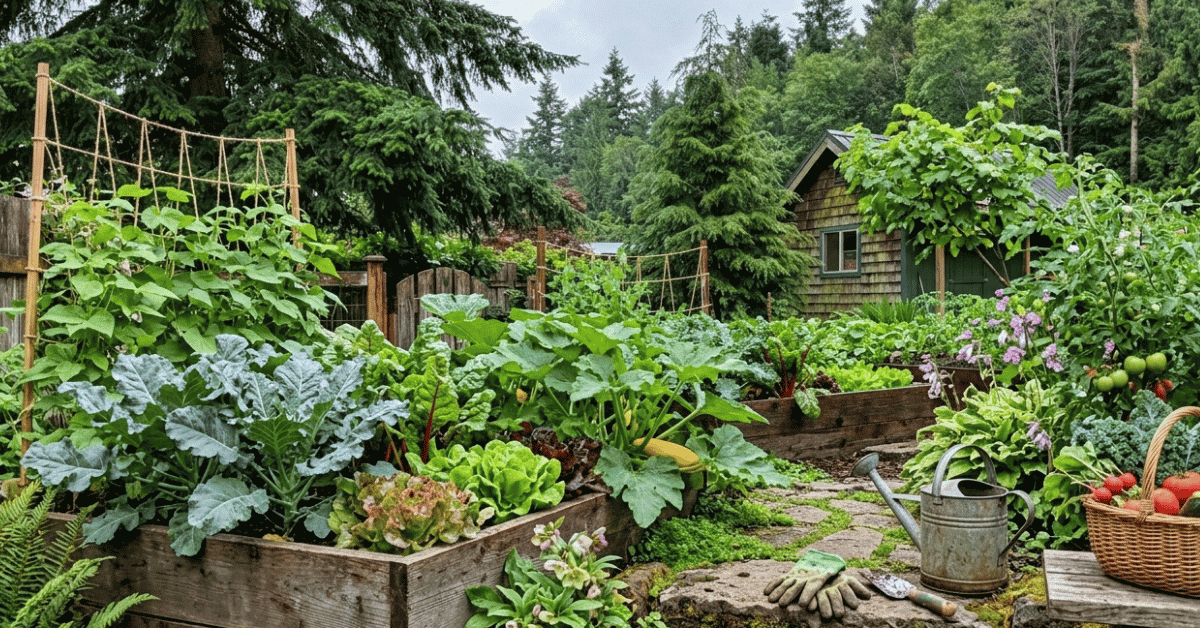
I also use raised beds a lot. This gives me control over the soil mix and ensures good drainage right from the start. It’s a bit more work to build them, but the results are worth it.
You can truly create your own perfect soil.
Best Plants for Pacific Northwest Gardens
Choosing the right plants is key. We might not have the scorching heat for some desert plants, or the deep freezes for others. But we have a fantastic natural advantage: we can grow so many beautiful things!
I’ve fallen in love with plants that specifically love our wet winters and appreciate a bit of shade or dappled light.
When I first started, I tried to grow everything. Sunflowers, tomatoes, you name it. Some did okay, but others just struggled.
It was frustrating. Then I started looking at what grows naturally around here. What thrives in the forests and along the coast?
I began incorporating more native plants and those that mimic their needs.
Shade-Tolerant Wonders
Many parts of the PNW get shade, whether from tall trees or our own homes. Don’t let that stop you! There are stunning plants that love the shade.
I adore rhododendrons and azaleas; they are classic PNW choices for a reason. Their blooms are spectacular in the spring. Ferns are also a must.
From delicate maidenhair ferns to robust sword ferns, they add incredible texture and greenery. Hostas are another go-to. With their huge variety of leaf colors and patterns, they bring beauty even when not in bloom.
I also have a soft spot for heucheras. Their leaves come in shades of deep purple, bright coral, lime green, and more. They add color all year long, which is a huge bonus during our grey months.
Coral bells, that’s another name for them. They truly are workhorses in my shade garden.
Sun-Loving Stars
Even with our wetter climate, many areas get plenty of sun, especially in summer. For those spots, you can go big! Hydrangeas are magnificent.
They bloom for ages and come in various colors. Coneflowers give us beautiful late-season color and attract pollinators. Salal, a native evergreen, does well with a little sun or shade and has lovely flowers and berries.
My vegetable garden is in a sunny spot. I’ve found that blueberries thrive here. They love our acidic soil and consistent moisture.
Plus, fresh blueberries are the best! I also have great luck with raspberries and blackberries. These native and naturalized berries are perfectly suited to our conditions.
They do spread, so give them room! Planning for this spread is key.
Native Beauties to Consider
I’m a big advocate for using native plants. They are adapted to our local conditions, require less maintenance, and support local wildlife. They are also beautiful!
Think about Oregon Grape, with its holly-like leaves and bright yellow flowers, followed by beautiful purple berries. Pacific Bleeding Hearts offer delicate pink flowers in the spring. Trilliums are ground-hugging beauties for shady spots.
When I started incorporating more natives, my garden felt more connected to its surroundings. It felt right. Butterflies and bees seemed to flock to them too.
It’s a win-win.
Essential Tools for PNW Gardeners
Having the right tools makes a world of difference. You don’t need a fancy setup, but a few key items will make your life much easier. I’ve collected my favorites over the years.
These are the things I reach for day after day.
I’ll start with the basics. A good sturdy shovel and a hand trowel are non-negotiable. My favorite trowel has a comfortable grip.
I can dig for hours without my hand getting tired. A good pair of pruners is also essential. You’ll use these for all sorts of things, from deadheading flowers to trimming back shrubs.
I also recommend a soil knife. It’s amazing for weeding and cutting through tough roots.
Durability is Key
Because of our rain, tools can rust. I look for tools made of stainless steel or those with a good coating to prevent rust. My garden fork is pretty old but still going strong because it’s well-made and I clean it after each use.
Rust is the enemy of garden tools, especially here. Keeping them clean and dry when not in use will make them last much longer. I have a specific spot in my shed for tool maintenance.
Investing in Quality
You can buy cheap tools, but they often break. I’ve learned to invest in quality. A good pair of garden gloves is essential to protect your hands, and I prefer ones that offer a good grip even when wet.
A watering can or a hose with a spray nozzle is necessary, though with our rain, this might be less frequent than in other areas. However, for that dry summer spell, you’ll be glad you have it! I also love my little kneeling pad.
My old knees thank me for it.
Dealing With Pests and Diseases
Ah, pests and diseases. They are a fact of life in any garden, and the PNW is no exception. Because our winters are mild, many little critters and fungal issues can survive and even thrive.
Slugs are probably our most famous enemy. They can decimate a young plant overnight.
I’ve tried many methods for slug control. Beer traps work, but you have to be diligent about emptying them. Iron phosphate baits are effective and safer for pets and wildlife than older metaldehyde baits.
I also find that hand-picking them in the early morning or after rain is very effective, if a bit grim. My kids used to do it. It’s a good way to teach them about the garden ecosystem.
Preventing Problems
Prevention is always better than cure, right? Healthy plants are less susceptible to pests and diseases. This goes back to good soil, proper watering, and choosing the right plants for the right spot.
Good air circulation is also important. Don’t plant things too close together. This helps prevent fungal diseases, which thrive in damp conditions.
Companion planting can also help. Some plants can deter pests. For example, planting marigolds can deter nematodes.
I’ve found this to be hit or miss, but it’s an interesting strategy. I am also a big believer in attracting beneficial insects. Ladybugs and lacewings love to eat aphids.
I make sure to have plants that they like, such as dill and yarrow.
Organic Solutions
I try to stick to organic methods for pest and disease control. This usually means using natural predators, safe baits, or insecticidal soaps. If I have a problem with aphids, a strong blast of water from the hose or some insecticidal soap usually does the trick.
For mildew on roses, I’ll use a baking soda spray or a commercial organic fungicide. Experimenting is key here. What works for one gardener might not work for another.
Seasonal Tasks for PNW Gardening
Gardening is a year-round activity here, though the intensity changes. Each season brings its own set of tasks to keep your garden looking its best and producing well. I like to think of it as a rhythm, and once you get into it, it feels natural.
Spring Planting and Prep
Spring is the time for action! Once the soil is workable (not too wet), it’s time to get planting. I start seeds indoors in late winter for tomatoes, peppers, and other heat-lovers.
Then, in spring, I transplant them out. This is also the time to plant cool-season vegetables like lettuce, spinach, kale, and peas. I also do a lot of my perennial planting in the spring.
The cooler, moist weather helps them establish roots.
I always do a big spring cleanup. Removing dead leaves, cutting back old growth, and amending the soil with compost are essential. I usually give my fruit trees and berry bushes a good prune in late winter or early spring before new growth starts.
This is a classic gardening task for us.
Summer Maintenance
Summer is when the garden really shows off, but it also demands attention. Watering becomes more crucial, especially for vegetables and new plantings. Weeding needs to be kept on top of.
Deadheading flowers encourages more blooms and keeps the garden looking tidy. Harvesting vegetables and fruits happens all summer long. I love walking out to my garden and picking fresh produce.
I also scout for pests regularly. Catching a problem early makes it much easier to manage. I might also do some succession planting of quick-growing crops like radishes or more lettuce to keep the harvest going.
Fall Harvest and Prep
Fall is a beautiful, rewarding season in the PNW garden. It’s harvest time for so many things! Potatoes, carrots, winter squash, and leeks are often harvested in fall.
I also focus on planting garlic and many cool-season crops for overwintering or early spring harvest, like kale and some lettuces. It’s a great time for planting trees and shrubs too, as they can establish roots before the cold weather hits.
I’ll continue cutting back plants as they finish their life cycle. Many people leave seed heads for winter interest and to feed birds, which I do to some extent. I’ll also start thinking about my spring plans and ordering seeds.
My garden is my happy place, and planning for next year is part of the fun.
Winter Protection and Planning
While it’s our wettest season, winter isn’t a total shutdown. I still do some tidying, especially removing any diseased plant material to prevent it from overwintering. I might mulch beds to protect them from heavy rain and erosion.
It’s also a great time for indoor tasks like seed starting for the following year, organizing tools, and reading gardening books to get inspired.
I also use the winter months to really plan my garden. I start sketching out where things will go. I think about crop rotation for my vegetable beds.
My vegetable garden is a joy to work on. It’s based on principles from my raw guide to vegetable gardening. I try to improve it every year.
Garden Styles for the Pacific Northwest
Our climate and natural beauty lend themselves to a few distinct gardening styles. You don’t have to pick just one, of course! Mixing and matching is part of the fun.
I’ve dabbled in many over the years. My own garden is a bit of a glorious mess.
The Lush Woodland Garden
This style embraces our natural environment. Think of dappled shade, mossy stones, and a feeling of being in a forest. Plants like ferns, hostas, heucheras, and native woodland wildflowers thrive here.
A water feature like a small stream or pond really enhances the woodland feel. This is my absolute favorite style. It feels so peaceful.
The Productive Vegetable Patch
For those who love to eat what they grow, a productive veggie garden is a must. We can grow a surprisingly wide variety of vegetables here with the right planning. Raised beds are popular for managing our soil and drainage issues.
Think lush greens, root vegetables, and flavorful herbs. You can find more tips in my ultimate encyclopedia of vegetable gardening which really covers the bases.
The Colorful Cottage Garden
This style is all about abundant blooms and a slightly untamed, romantic feel. Think overflowing borders with a mix of perennials, annuals, and shrubs. Hydrangeas, roses, salvias, and lots of colorful flowering plants fit perfectly.
It’s cheerful and inviting. You can find great ideas in my best all-new gardening book review as it has some stunning cottage garden examples.
The Sustainable and Native Garden
This approach prioritizes eco-friendly practices and plants that are native to our region. It’s about creating a garden that supports local wildlife and requires less water and maintenance once established. This is so important for our ecosystem.
I’m always looking for new native plants to add. You can learn a lot from resources like my honest encyclopedia of gardening review.
Here’s a quick look at some plant choices for different PNW styles:
| Garden Style | Key Plants | Special Considerations |
|---|---|---|
| Woodland Garden | Ferns, Hostas, Rhododendrons, Native Violets | Shade, damp soil, moss |
| Vegetable Patch | Tomatoes, Kale, Beets, Berries, Herbs | Full sun, fertile soil, good drainage |
| Cottage Garden | Hydrangeas, Roses, Lavender, Coneflowers | Lots of blooms, pollinators, good soil |
| Native/Sustainable | Salal, Oregon Grape, Salmonberry, Sword Fern | Drought tolerance (summer), soil adaptation |
Your PNW Garden Awaits!
Gardening in the Pacific Northwest is a rewarding journey. It’s about embracing our unique climate and soil. It’s about choosing plants that will thrive and bring you joy.
And it’s about connecting with nature in our beautiful corner of the world. I’ve found so much peace and satisfaction by getting my hands dirty. You can too.
It is possible to achieve great results.
What are the easiest plants to grow in the PNW?
Easy plants include Hostas, Ferns, Rhododendrons, Salal, and many native berries like blueberries. They tolerate our wet climate and shade well. Learn more about…
How do I improve my PNW garden soil?
Add generous amounts of compost, use mulch, and consider raised garden beds for better drainage and soil control. Learn more about…
What is the biggest pest challenge in the Pacific Northwest?
Slugs are a major challenge, along with snails. They can decimate young plants quickly. Learn more about…
When should I plant vegetables in the PNW?
Plant cool-season crops in early spring and fall. Plant tomatoes and peppers after the last frost. Learn more about…
Can I grow tomatoes in the Pacific Northwest?
Yes! Choose early-maturing varieties, use raised beds or containers, and give them full sun. Learn more about…