
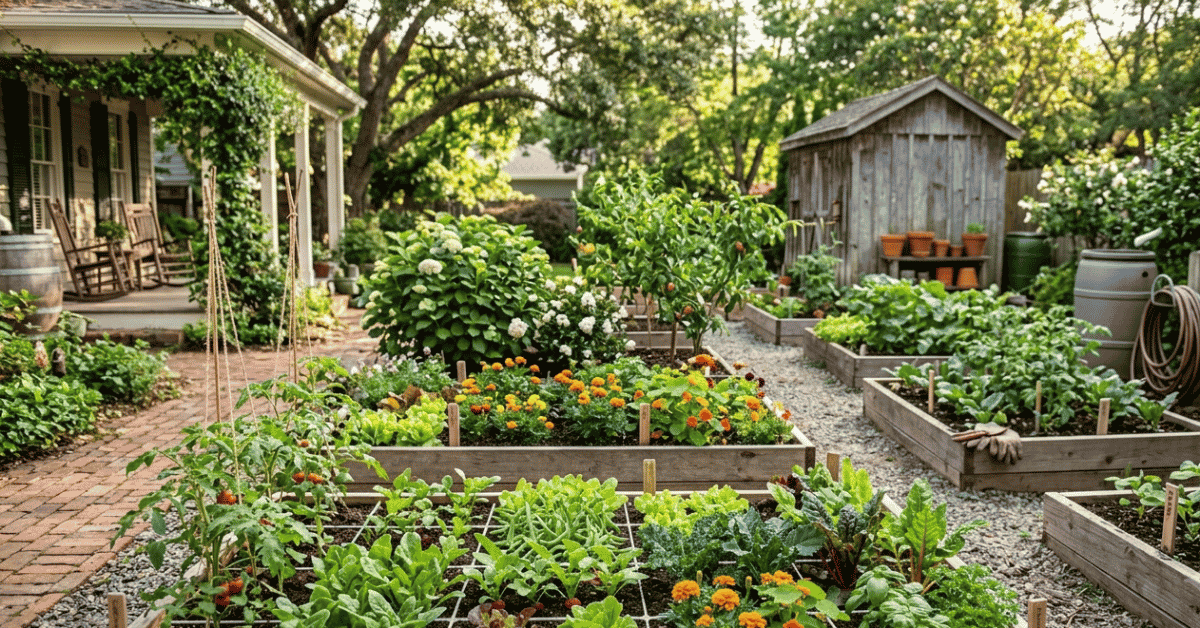
Georgia Gardening’s Perfect Planner: 12 Months of Growth
Heading into my garden is my favorite escape. I love seeing what’s possible each month, right here in Georgia. This guide can help you know what to plant and when.
Get ready for a beautiful, bountiful garden all year long!
Why is Gardening in Georgia Month by Month So Important?
Honestly, it’s the only way I learned to garden successfully here. Trying to plant things at the wrong time felt like wrestling with a stubborn mule. Knowing what to do each month saved me so much heartache and wasted money.
Georgia has unique weather. We have hot summers and mild winters. Some plants love our heat.
Others need our cool spells. A month-by-month plan helps you pick the right plants for the right time. It means more harvests and healthier plants.
It makes gardening fun, not frustrating.
January: A Quiet Start
January is a sleepy month in the garden. It’s cold, and most things are resting. But don’t let that fool you!
There are still things we can do. This is a great time to plan.
Planning Your Vegetable Garden
Now is the time to dream about your summer vegetables. I like to sit down with a cup of tea. I flip through seed catalogs.
I sketch out my garden beds. I think about what my family ate last year. What do I want to grow more of?
What was hard to grow? It’s also a good time to buy seeds. The best selections are usually available early.
You can also plan for spring planting. Think about things like peas and leafy greens.
Starting Seeds Indoors
Some plants need a head start. They need warmth and protection before our last frost. January is perfect for starting these indoors.
Tomatoes are a big one. Peppers too. Eggplants also do well.
I use small pots or seed trays. A good quality seed-starting mix is key. Keep them in a warm spot.
A sunny window or a grow light helps a lot. It’s satisfying to see those first tiny leaves appear.
Cold-Tolerant Veggies for the Ground
While we’re waiting for warmth, we can still plant some hardy things directly into the ground, if the soil isn’t frozen solid. Spinach, kale, and lettuce can often survive. Broccoli and cabbage started indoors can be transplanted out if the weather is mild.
Don’t forget our root crops! Radishes grow fast. Carrots and beets can be sown now in milder areas.
They’ll be ready early.
February: Spring’s First Whisper
February feels like change is coming. The days get a little longer. The sun feels a bit warmer.
It’s time to get serious about spring.
Direct Sowing Early Crops
As soon as the soil can be worked, we can start sowing. Peas are a classic February planting. They love the cool weather.
Broad beans are another good choice. Spinach and lettuce can be sown again. They bolt (go to seed) in heat.
So, planting them now gives you a spring harvest.
Transplanting Cool-Season Seedlings
Those seedlings I started back in January? Now they’re ready for their new homes outside. I harden them off first.
This means getting them used to the outdoor conditions gradually. I put them out for a few hours each day. Then I bring them in.
After a week or so, they’re tough enough to plant. Broccoli, cauliflower, and cabbage can go in. Don’t forget those yummy cabbages!
Preparing Garden Beds
It’s also a great time to get the garden beds ready. I don’t like to work wet soil. But if it’s dry enough, I’ll gentle loosen it.
I add compost. Compost is like magic food for plants. It improves the soil structure.
It adds nutrients. I might also add some organic fertilizer. This gives the plants a good start.
March: Busy, Busy, Busy
March is a whirlwind! Spring is in full swing. The planting calendar is packed.
Increasing Seed Sowing
We’re sowing a lot more now. Beans, corn, and cucumbers can go in. Tomatoes, peppers, and eggplant can be transplanted out (after the last frost date, of course!).
I always check my local frost dates. It’s crucial for Georgia. Squash and melons are also warm-weather lovers.
Plant them now.
Frost Protection
Even in March, we can get late frosts. I keep frost cloths handy. These protect young plants.
I cover them up at night. I uncover them in the morning. It’s a little extra work, but it saves the plants.
Dealing with Early Pests
As plants grow, so do pests. I look for aphids on new shoots. I might spray them off with water.
Or use insecticidal soap. Early detection is key.
April: Peak Planting Season
April is probably my favorite planting month. Everything feels alive and eager to grow.
More Warm-Season Crops
We’re planting more of everything that loves heat. We can plant okra now. It thrives in our Georgia heat.
Sweet potatoes can be put in. I love growing my own sweet potatoes! Plant more beans, cucumbers, and squash.
Succession Planting
To get a continuous harvest, I do succession planting. This means planting a small batch of something every few weeks. I’ll plant salad greens every two weeks.
This way, I don’t have all my lettuce ready at once. It’s a great strategy for many crops.
Starting Your Herb Garden
April is also a good time to start or expand your herb garden. Basil loves the heat. Parsley, cilantro, and dill do well now too.
Many perennial herbs like rosemary and thyme can be planted. They’ll grow for years.
May: Summer Heat Arrives
May brings on the real summer heat. Some cool-season crops might be finishing up.
Heat-Tolerant Varieties
I focus on plants that can handle high temperatures. Okra is a star. Sweet peppers do well.
Eggplants love the heat. Southern peas (black-eyed peas) are perfect for this season. They grow like crazy in the sun.
Watering is Key
With the heat, watering becomes super important. I water deeply. This encourages roots to go down.
I try to water in the morning. This helps plants stay hydrated during the day. Mulching helps keep the soil moist.
Managing Pests and Diseases
The heat and humidity can bring on fungal diseases. Good air circulation helps. I also watch for heat-loving pests.
Spider mites can be an issue. I check my plants regularly.
June: Full Summer Swing
June is all about keeping up with the garden. It’s hot, but the rewards are big.
Harvesting Abundantly
This is harvest time! Tomatoes are ripening. Cucumbers are coming in.
Squash is abundant. I pick things regularly. This encourages the plants to produce more.
Don’t let your zucchini get too big! You’ll have a monster on your hands.
Continue Planting Greens
Even in the heat, you can still find some greens that will grow. Malabar spinach is a heat-loving vine. New Zealand spinach is another good option.
Try planting heat-tolerant lettuces in shady spots.
Dealing with Drought
Georgia summers can be dry. I make sure to water consistently. If I can’t water enough, I might let some plants rest.
Focusing on drought-tolerant crops is smart.
July: The Dog Days of Summer
July is usually the hottest month. The garden needs consistent care.
Harvesting Summer Bounty
Keep picking! Tomatoes, peppers, okra, and beans should be producing well. I love canning and freezing this time of year.
It’s a great way to save the harvest.
Dealing with Blight and Pests
Blight can be a problem in hot, humid weather, especially on tomatoes. I try to pick off affected leaves. Good watering practices help prevent some diseases.
Continue scouting for pests.
Planting for Fall
It’s also time to start thinking about the fall garden. In late July, I’ll start sowing seeds for fall crops like broccoli, cabbage, and kale. They need time to mature before frost.
August: Transitioning to Fall
August is still hot, but the feeling of fall starts to creep in. We might get some relief from the peak heat.
Fall Crop Planting Continues
Keep sowing those fall crops. Spinach, lettuce, and radishes can be planted. You can sow more bush beans.
Root vegetables like carrots and beets can go in the ground.
End of Summer Harvest
Enjoy the last of your summer bounty. Keep harvesting those tomatoes and peppers. You can often get a second flush of blooms if you keep watering.
Preparing for Cooler Weather
Start amending beds for fall. Add more compost. Gently till it in.
This prepares the soil for the next planting.
September: Autumn’s Arrival
September officially brings fall. The heat breaks, and the garden feels a bit happier.
Planting Fall and Winter Vegetables
This is a prime planting month for cool-season crops. Plant kale, collards, spinach, and turnips. You can set out transplants of broccoli and cabbage.
Lettuce thrives now.
Harvesting Fall Crops
Your fall planting will start to mature. You’ll be harvesting spinach and lettuce. Root crops start to grow well in the cooler soil.
Cover Cropping
If you have empty beds after a summer crop, consider planting a cover crop. Rye or clover can add nutrients and improve soil structure over winter. I find it’s a great way to protect the soil.
October: Garden’s Last Burst
October is beautiful gardening weather. The crisp air is lovely to work in.
Harvest Time for Many
Most of your fall crops will be ready now. Harvest potatoes, carrots, and beets. Continue picking kale, collards, and Brussels sprouts.
They often taste sweeter after a light frost.
Planting Garlic
October is the best time to plant garlic in Georgia. Break apart the bulbs into cloves. Plant them pointy-end up.
They’ll over-winter and grow large bulbs by next summer.
Final Seed Sowing
You can still sow some hardy greens like spinach and corn salad. They can grow throughout the winter in milder areas.
November: Preparing for Winter
November is when the garden winds down. We’re transitioning to a resting period.
Harvesting Late Crops
Enjoy the last of your fall harvest. Brussels sprouts, kale, and collards are great for winter meals. Root vegetables can be left in the ground and harvested as needed, especially if you mulch over them.
Garden Cleanup
It’s time to clean up the garden beds. Remove dead plants. This helps prevent diseases from overwintering.
You can compost healthy plant material.
Soil Improvement
Add more compost or aged manure to your beds. This is a good time for this because the soil won’t be worked much until spring. It gives the organic matter time to break down.
December: The Garden Sleeps
December is quiet. The garden is mostly dormant. But my mind is already thinking about next year.
Planning for Next Year
This is a good month to start brainstorming for next season. What worked well? What didn’t?
Winter Care
If you have perennial vegetables like asparagus or rhubarb, ensure they are well-mulched. Protect any tender plants from hard freezes.
Tool Maintenance
Clean and oil your garden tools. Sharpen blades. Proper care now means they’ll be ready for spring.
I like to tackle this task on a cold, rainy day. It feels productive. It’s amazing how much joy a well-planned garden brings, year after year.
Knowing what to do each month is the secret ingredient to success in Georgia.
October Gardening Tasks Comparison
| Task | Benefit | Difficulty | Timing |
|---|---|---|---|
| Plant Garlic | Large bulbs next summer | Easy | Mid-October |
| Harvest Fall Crops | Fresh, delicious vegetables | Medium | Throughout October |
| Sow Hardy Greens | Extend harvest into winter | Easy | Late October |
| Prepare Beds for Winter | Protect soil, add nutrients | Medium | Late October/Early November |
| Maintain Tools | Extend tool life, garden readiness | Easy | December |
Frequently Asked Questions
When should I start tomatoes indoors for Georgia gardening?
Start tomatoes indoors about 6-8 weeks before your last expected frost date in late January or February for a great start. Learn more about starting seeds indoors…
What are the best fall vegetables to plant in Georgia in September?
September is perfect for planting kale, collards, spinach, broccoli, cabbage, and lettuce for a delicious fall harvest. Learn more about fall gardening success…
Can I plant carrots in Georgia in October?
Yes, October is a good month to plant carrots in Georgia as the cooler weather helps them grow well. Learn more about growing root vegetables…
What is the easiest vegetable to grow in Georgia’s summer heat?
Okra is a fantastic, easy-to-grow vegetable that thrives in Georgia’s hot summer conditions. Learn more about heat-tolerant vegetables…
When is the best time to plant garlic in Georgia?
The ideal time to plant garlic in Georgia is in October for optimal growth and large bulbs the following summer. Learn more about planting garlic…