
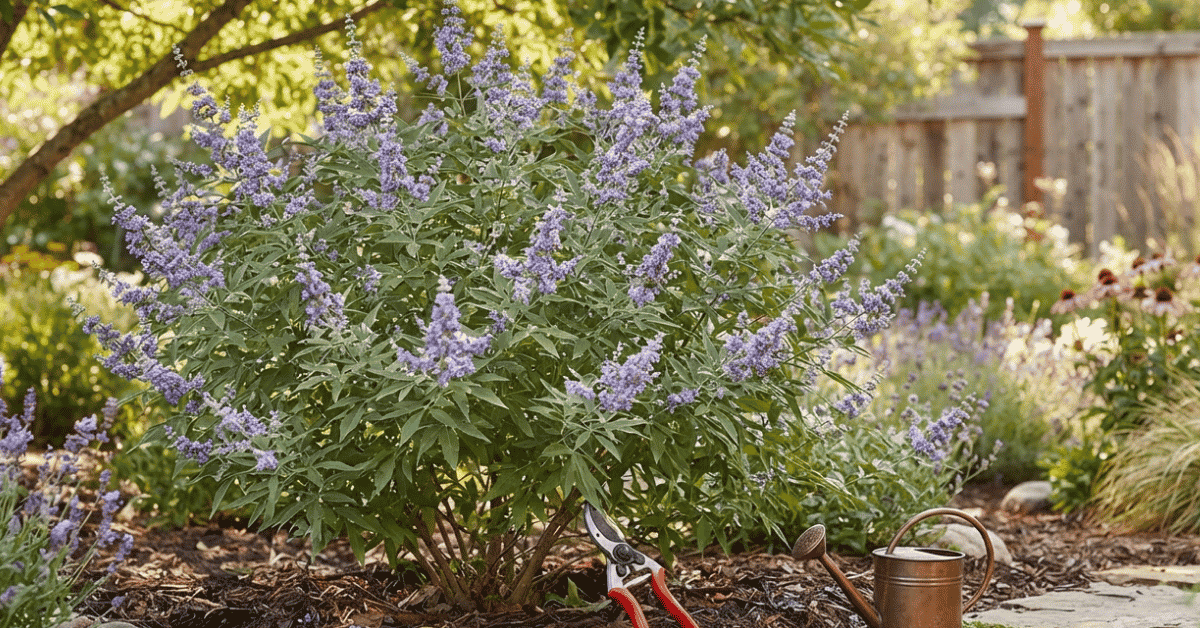
Vitex Plant Care gets easy with sun, good soil, and smart water. Learn tips for strong roots, rich leaves, purple blooms, trim, pots, and more.
I first saw a vitex tree in late spring. Its purple blooms caught my eye at once. Bees hummed near each flower as I stood close.
The leaves felt soft beneath my hand. A warm, sweet scent hung in the air.
I thought vitex would need little care. That guess was only half right.
The plant is quite tough once well set. Yet, young plants need care and time.
This guide shares the tips I now use. Grab your gloves, and let’s get into it.
Can Vitex Plant Care Really Stay Easy?
My first vitex sat in a wide yard bed. It got sun from dawn to late day.
At first, the plant grew with ease. New leaves came up on each young stem.
Then a dry spell hit our yard. The soil grew hard near the root zone.
I kept my hose near the shed. Still, I was not sure how much water helped.
I gave the plant a long soak. The next day, its leaves stood up with more life.
That small win taught me a key rule. Vitex likes sun and can take dry soil.
Yet, young roots need help in dry heat. A new plant should not face long dry spells.
Now, I check the soil by hand. I watch the leaves before each deep soak.
Life Before I Found This
Before I knew good care, I made many guesses. My vitex sat near a hot brick wall.
The wall held heat late into the day. The soil felt warm and dry by dusk.
The leaves made a soft rustle in the wind. Yet, some tips began to curl.
I thought the plant had a pest issue. So, I checked each leaf with care.
No bugs were clear on the plant. The real clue came from the dry soil.
I gave the root zone a deep drink. Soon, the leaves rose and looked fresh.
That night, rain hit the roof hard. I heard drops tap the glass till late.
The next day, I skipped the hose. Good rain meant the plant had enough water.
Why This Matters Right Now
Vitex can suit warm yards with lots of sun. It can grow as a shrub or small tree.
Its purple flower spikes can draw bees and other pollinators. That makes it a fun plant for a lively yard.
It can also bring height to a plain bed. Its leaf form adds a soft, rich green look.
Many folks want plants that need less fuss. Vitex can fit that need once roots get set.
Still, good site choice makes care much easier. A sunny spot with room to grow works best.
Poor drain can cause root stress. Tight spots can also make trim work hard.
I like vitex for its mix of bloom and form. It feels bold, yet still quite calm.
The First Big Lesson
My first big lesson was about sun. Vitex grows best in full sun.
I once saw one near deep shade. Its growth looked thin and less full.
The flower spikes were not as rich. The plant seemed to reach for more light.
That sight helped me set my own plant right. I picked the sunniest part of the yard.
The change was clear over time. New shoots grew firm and full.
More sun can also help with bloom. Good air flow can keep the plant dry too.
Still, hot sun can dry young plants fast. Fresh transplants may need more water at first.
I now give young plants close care. Once roots set, I ease back on water.
That seems like the best mix. Give help early, then let roots do more work.
Small Tactics That Actually Work
I start each care check with the soil. I press my finger near the root zone.
Dry soil means the plant may need water. Damp soil means I wait a bit longer.
Young vitex needs more care than old plants. New roots need time to spread out.
I use a deep soak, not light sips. Deep water can reach roots below the dry crust.
Good soil drain also matters a lot. Vitex does not like roots that stay wet.
I add a light mulch ring near the root zone. Yet, I keep mulch off the main stem.
Pruning is best done with a clear goal. I remove dead, weak, or odd stems first.
I also trim to shape the plant. Clean cuts help keep the form neat.
I use sharp, clean shears for each cut. That makes trim work fast and neat.
A Strange Detail I Noticed
One odd thing about vitex is its leaf shape. Each leaf looks like a small hand.
Thin leaf parts spread from one point. They make the plant look soft and airy.
I first noticed this near dusk. The low sun made each leaf form stand out.
A light breeze made the leaves shake. Bees still hummed near the last blooms.
I rubbed one leaf between my fingers. It gave off a mild, sharp scent.
That scent was not like a rose. It felt more like dry herbs and green leaves.
Maybe that is part of its charm. The plant looks soft, yet has a wild side.
Style Comparison & Data
Care style can change vitex growth quite a bit. I learned this through small yard tests.
| Care style | Plant sign | My pick |
|---|---|---|
| Full sun | Strong growth | Best |
| Deep shade | Thin growth | Avoid |
| Deep soak | Strong root help | Good |
| Wet soil | Root stress | Avoid |
| Light trim | Neat form | Good |
These tips act as broad care guides. Yard soil, rain, and heat can shift the need.
Young plants need more close care. Old plants can often deal with dry spells.
I watch the plant before each task. That keeps my care plan calm and clear.
Non-Obvious Gains
Vitex plant care brings more than blooms. I found a few perks that many folks miss.
-
Purple blooms can add rich yard color.
-
Flowers can draw bees to the yard.
-
Strong form can give height to beds.
-
Deep roots can help old plants face dry spells.
-
Trim work can shape the plant with ease.
-
Soft leaf form can add a calm look.
-
Yard care can give you quiet time.
The bee part is my top pick. I like to watch bees work each bloom spike.
The yard feels more alive on those days. I hear soft hums near the flower tips.
That small sound makes yard work feel less dull. It also makes the plant feel worth the care.
Myths vs. My Reality
I used to think vitex needed daily water. But then I saw roots handle dry soil well.
I used to think shade would save it from heat. But then bloom and growth grew weak.
I used to think more feed meant more blooms. But then I saw little gain from it.
I used to think young plants were as tough. But then dry heat hit a new plant hard.
I used to think trim was just for looks. But then good cuts made the form much more neat.
Those lessons changed my whole care plan. I now focus on sun, soil, and root growth.
Young plants get more water. Old plants get less fuss.
That seems plain, and maybe it is. Plain care has worked best for me.
Essential Principles for Mastery
I use five simple rules for vitex plant care. They help keep the plant strong and neat.
First, give it full sun. Aim for a bright spot each day. Good sun can help both leaf and bloom growth.
Second, water young plants with care. Give a deep soak during dry spells. Let the soil dry some between drinks.
Third, use soil with good drain. Roots need air as well as water. Avoid spots that stay wet after rain.
Fourth, prune with a clear plan. Remove dead and weak wood first. Shape the plant with clean, light cuts.
Fifth, give roots room. Vitex can grow quite large over time. Leave enough space for its full form.
Mulch can help hold soil moisture. Keep it a few inches from the stem.
Feed is not a huge part of my plan. Good sun and soil do most of the work.
I also watch for dry wind. Young plants can lose soil water quite fast.
Cold may slow growth in some areas. Check your local hardiness needs before you plant.
FAQs about Vitex Plant Care
Does vitex need full sun?
Vitex grows best with full sun each day. Strong light can help boost leaf and bloom growth. A shady spot may lead to thin growth and fewer flower spikes.
How often should I water vitex?
Young plants need more water during dry spells. Give a deep soak, then let soil dry some. Mature plants can often handle short dry spells with less added water.
Can vitex grow in poor soil?
Vitex can handle many soil types with ease. Good drain matters more than rich soil. Heavy, wet soil can stress roots, so improve drain before planting if needed.
Should I prune a vitex plant?
Pruning can help keep vitex neat and well shaped. Remove dead or weak wood first. Light trim can also shape the plant and control its size as it grows.
Does vitex attract bees?
Vitex blooms can draw bees and other pollinators. Its purple flower spikes can be quite busy during bloom. I often see bees work from one spike to the next on warm days.
My Final Takeaway
Vitex plant care feels much less hard now. I learned to trust sun, soil, and time.
Give young plants more care at first. Let old roots handle more dry days.
Keep soil from staying wet for long. Trim with clean tools and a clear plan.
I still make small care slips at times. Maybe that is part of growing plants.
The best care feels calm and plain. Give vitex room, sun, and time to shine.