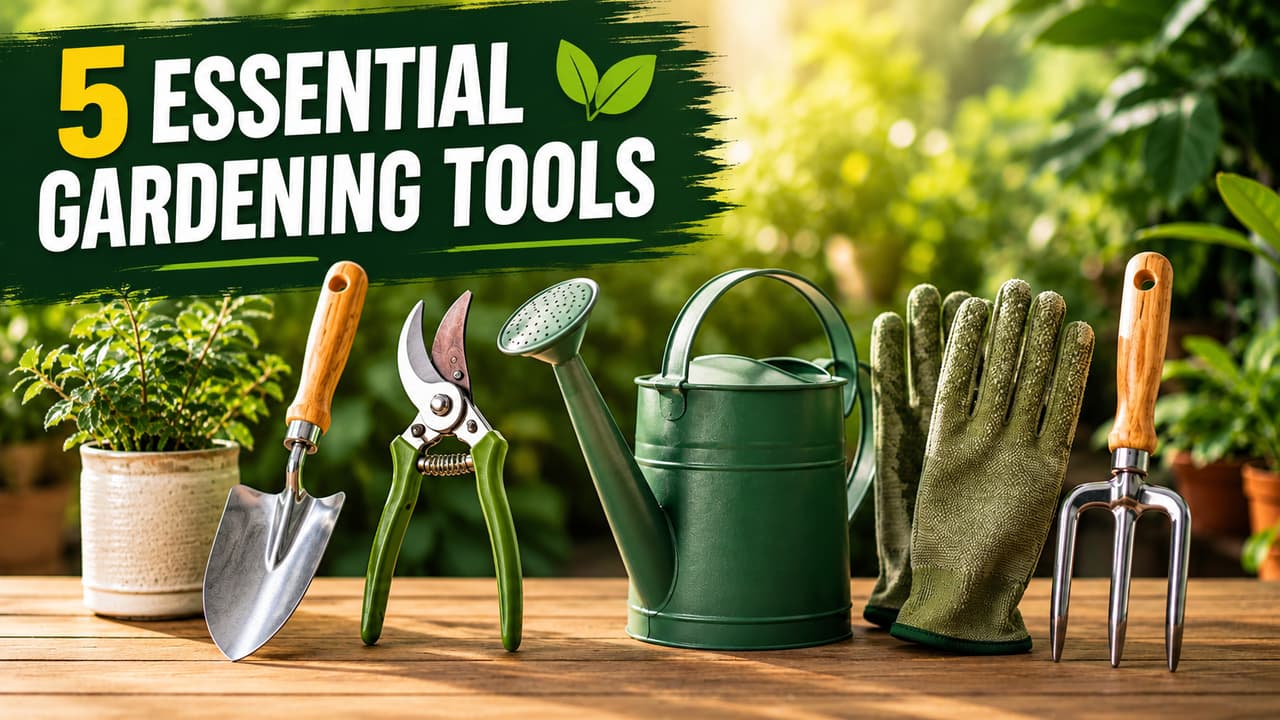
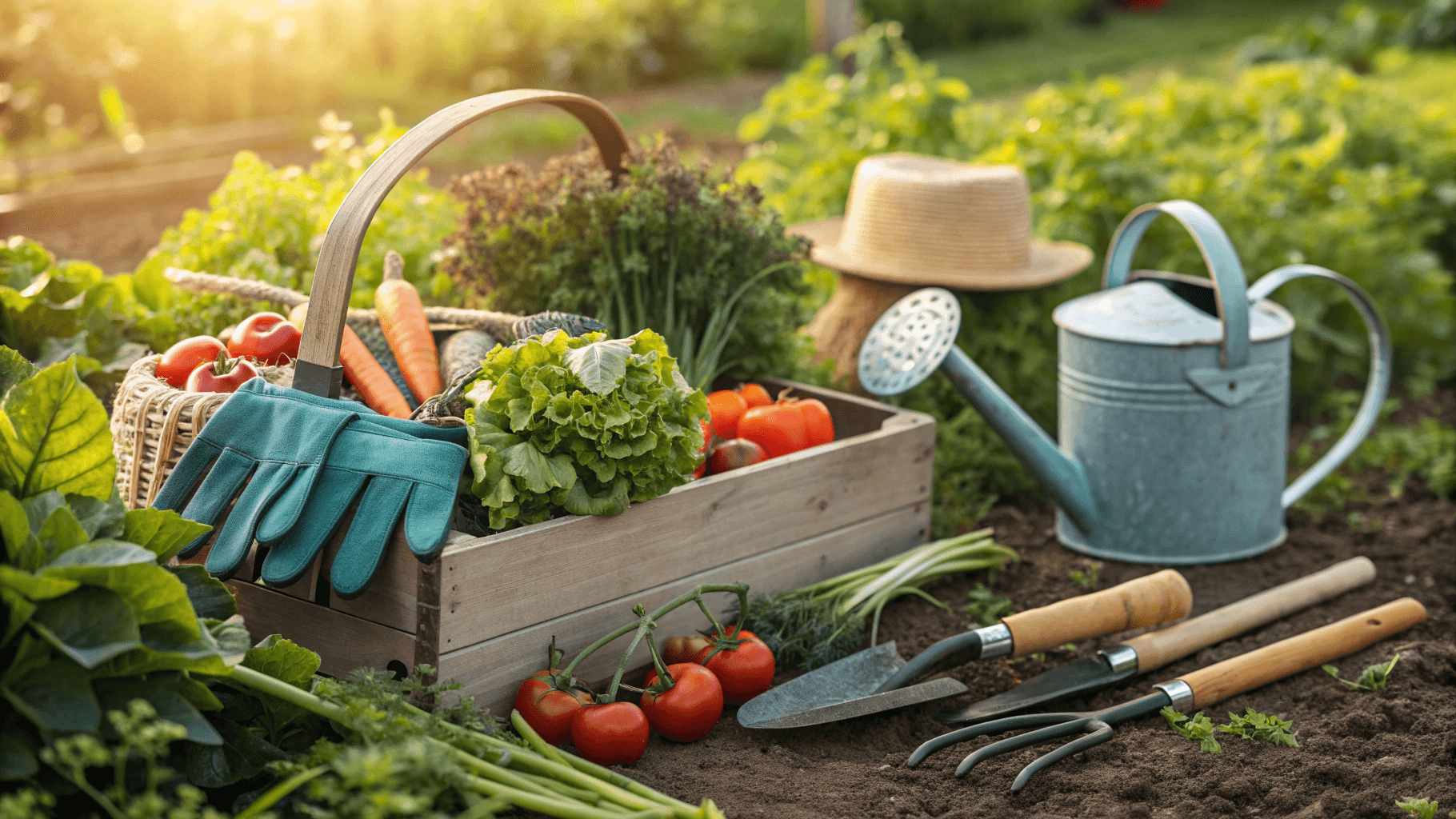
To start gardening, you need a suitable growing spot, healthy soil or potting mix, seeds or young plants, water, a trowel, pruning shears, gloves, and a way to water your plants. The exact supplies depend on what you want to grow, how much space you have, and your local climate.
Starting a garden in the United States can mean growing tomatoes in a sunny Texas yard, herbs on a New York balcony, or lettuce in a small California raised bed. Each garden needs a few basic supplies, but the right choices depend on your space, soil, and growing season. You do not need a shed full of tools to get started.
The best first step is to decide what you want to grow and where it will live. A small container garden may need only a few pots, potting mix, seeds, and a watering can. An in-ground vegetable garden may also need a shovel, a soil test, and a way to manage weeds. This guide explains what to buy first, what you can skip, and how to care for your supplies.
Source: i.etsystatic.com
What Do I Need for Gardening? The Basic Checklist
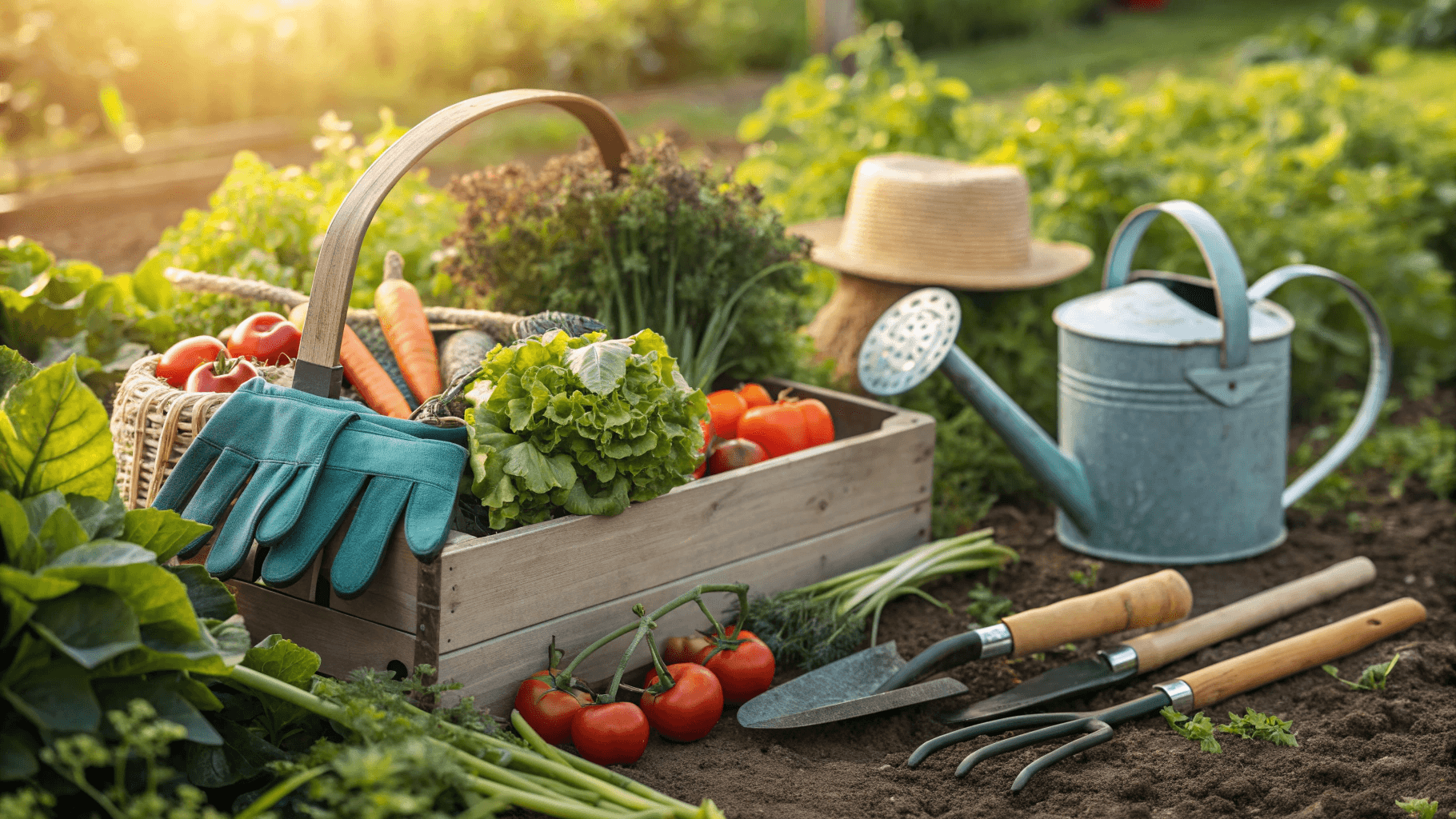
Most new gardeners can begin with a short list of supplies. Focus on items that help you prepare the soil, plant safely, water well, and remove dead growth. You can add more tools as your garden grows.
Before shopping, check what you already own. A clean bucket, an old spoon for tiny pots, or a kitchen measuring cup for garden tasks may help with small jobs. Keep tools used for garden chemicals separate from food preparation items.
Source: static.tildacdn.com
A suitable growing space
Choose a garden bed, a patch of ground, a balcony, a patio, or a sunny indoor area suited to the plants you want to grow.
Seeds or young plants
Buy plants that fit your local growing season and skill level. Seed packets give you planting depth, spacing, and timing instructions.
Suitable growing medium
Use suitable garden soil for in-ground beds and a quality potting mix for most containers. Match the mix to the plants when special drainage or acidity needs apply.
A water source
Keep a watering can or hose close enough to reach all plants. Choose a gentle flow for seedlings and small pots.
Basic hand tools
Start with a hand trowel, gloves, and pruning shears if you plan to grow plants that need trimming.
A way to manage weeds
Use hand removal, a small hoe, or suitable mulch to reduce weed growth without damaging crop roots.
Plant labels
Mark seed varieties and planting dates. Labels are helpful when young plants look much alike.
What Can You Skip at First?
You can often skip a powered tiller, a large wheelbarrow, a greenhouse, and a full set of specialty tools when starting a small garden. These items take up space and may cost more than the plants themselves. Buy or borrow them only when a clear need comes up.
Skip duplicate tools
A hand trowel and a small garden fork may be enough for pots and a few small beds.
Delay specialty feeds
Do not buy several fertilizers before you know what your plants need. Too much fertilizer can harm roots or lead to excess leafy growth.
Choose the Right Garden Space Before You Buy Supplies
Your growing space determines which tools and materials you need. A balcony garden has different needs from a large vegetable plot, so decide where your plants will grow before spending money. Check the available light, water access, drainage, and room for mature plants.
Many fruiting vegetables, such as tomatoes and peppers, grow best in full sun. Leafy crops such as lettuce can tolerate some shade, depending on the variety and local conditions. Read the plant label and observe the site at different times of day rather than judging sunlight from one quick look.
Source: img-s-msn-com.akamaized.net
In-ground garden
You may need a shovel, a hand trowel, gloves, a soil test, and tools to remove weeds. Check soil drainage and whether the area has a history of contamination before growing food.
Plan for a suitable bed, enough growing medium, a water source, and tools for planting. Use a mix suited to raised beds rather than filling the bed with dense, compacted soil alone.
Container garden
Choose pots with drainage holes, potting mix, saucers where suitable, and a watering can. Large containers dry out less quickly than small ones, but they also need more room and material.
Indoor herb garden
Pick containers with drainage, a suitable growing mix, and a bright window or suitable grow light. Most edible herbs need more light than a dim room provides.
How Much Sunlight Do You Need?
Sunlight needs vary by plant. Many common vegetables produce well in a site that receives about six to eight hours of direct sunlight, while some leafy greens and shade-tolerant ornamentals can grow with less. Hot climates may also require afternoon shade for crops that struggle in intense heat.
Check the garden through the day and note where buildings, fences, and trees cast shadows. If the area gets little direct light, choose plants suited to those conditions instead of buying sun-loving crops and hoping they will thrive.
Full sun
Often suits tomatoes, peppers, cucumbers, and many flowering plants when their heat and water needs are met.
Partial sun or shade
Can suit some leafy greens, herbs, and ornamental plants. Check the needs of each variety before planting.
Check Water Access and Drainage
A garden needs water, but roots also need air. Avoid spots where water stays pooled for long periods unless you are growing plants adapted to wet conditions. For containers, drainage holes help excess water escape and reduce the risk of waterlogged roots.
Easy water access
Choose a spot that you can water without dragging a heavy hose across steps or walkways.
Safe drainage
Make sure runoff does not create a hazard or flow onto a neighbor’s property. Follow local rules for rain barrels and water collection.
Essential Gardening Tools for Beginners
A few hand tools can handle most early garden jobs. Pick tools that fit your hands, feel easy to control, and suit the size of your garden. A small, sturdy set is often more useful than a large kit full of tools you rarely use.
Keep tools clean and dry after use. Soil left on metal parts can hold moisture and lead to rust, while sap can make pruning blades stick. Check handles, hinges, and blades from time to time so you can fix small issues before they become a safety problem.
Source: tomatodirt.com
Hand trowel
Use it to dig small planting holes, move potting mix, and transplant seedlings. A comfortable handle and sturdy blade matter more than extra features.
Garden gloves
Gloves help protect hands from rough soil, splinters, thorns, and some plant irritants. Choose a fit that lets you grip small tools without slipping.
Pruning shears
Use sharp, suitable shears to trim small stems and remove dead growth. Check the tool’s rated cutting capacity and do not force it through thick branches.
Hand fork
A small hand fork can loosen soil near plants and help remove weeds with shallow roots. Work gently around seedlings to avoid root damage.
Watering can or hose
Choose a watering method that gives a steady, gentle flow. A rose head on a watering can helps spread water over seedlings without washing soil away.
Hoe
A small hoe helps cut young weeds in open beds. Use it carefully near crops because its blade can damage shallow roots.
Shovel or spade
This is useful for larger planting holes, moving soil, and preparing beds. A beginner with a few pots may not need one right away.
Which Gardening Tools Should You Buy First?
For a few containers, begin with a trowel, gloves, a watering can, and clean scissors or suitable pruning shears. For a small in-ground bed, add a spade or shovel if you need to dig and a hand fork or hoe for weed control. Match each purchase to a real task.
Small space
Start with a trowel, gloves, watering can, and plant labels.
Vegetable bed
Add a spade, hand fork, pruning shears, and a hose or watering can as needed.
Shrubs and larger plants
Choose pruning tools rated for the size of the branches you need to cut. Use loppers or a pruning saw only when the work calls for them.
Safe Use and Tool Care
Read tool instructions and keep sharp blades away from fingers. Wear eye protection when trimming material that could snap or fly back. Do not leave tools where children can reach sharp edges, and store them in a dry place.
Clean tools after working with diseased plant material. Remove soil and plant residue, then use a suitable disinfectant according to its label when needed. Never mix cleaning products, and keep chemicals away from children, pets, and food.
Inspect before use
Look for loose handles, cracked parts, damaged cords on powered tools, and blades that do not close or lock as intended.
Store tools safely
Dry metal parts and put sharp tools away after use. Keep powered equipment protected from rain and follow the maker’s storage directions.
Soil, Potting Mix, Compost, and Fertilizer
Healthy roots need a growing medium that holds enough water while allowing air to reach them. The right choice depends on whether plants grow in the ground, in a raised bed, or in a pot. These materials are not interchangeable, so check the label before filling your garden.
For an in-ground bed, learn about the existing soil before adding products. For most containers, use a suitable potting mix rather than ordinary garden soil, which can become dense and drain poorly in a pot. Compost can add organic matter, but it does not replace every nutrient that plants need.
Source: s3.amazonaws.com
Garden soil
Existing soil can support in-ground plants when its structure, drainage, and nutrient levels suit the crop. A soil test can help identify pH and nutrient concerns.
Potting mix
This is made for container growing and often includes materials that help balance moisture, air, and drainage. Select a mix suited to the plants you intend to grow.
Compost
Finished compost can improve soil structure and add organic matter. Use mature compost and follow local recommendations for the amount to add.
Fertilizer
Fertilizer supplies plant nutrients. Choose one based on the crop, soil test, and product label rather than assuming every plant needs the same formula.
Mulch
Organic mulch can help reduce evaporation and weeds. Keep it away from direct contact with plant stems and tree trunks, and use a type suitable for the site.
Should You Test Your Soil Before Planting?
A soil test is useful for many in-ground vegetable gardens, especially when you do not know the site’s history or plan to grow food for several seasons. Tests can show soil pH and selected nutrient levels, helping you avoid adding products that are not needed.
Contact your state cooperative extension service or use a reputable soil testing laboratory to learn how to collect a sample. If the site may contain lead or other contaminants, seek appropriate testing before growing edible crops. A standard fertility test may not check for every contaminant.
Follow sample instructions
Collect soil from the requested depth and number of locations. Use clean tools and avoid mixing samples from areas with different histories.
Use the results
Apply lime, sulfur, or fertilizer only when the test and crop needs support the change. Incorrect additions can make soil conditions worse.
Do You Need Fertilizer for Every Plant?
No. The need for fertilizer depends on the plant, the growing medium, and the nutrients already available. Some potting mixes contain starter nutrients, while established garden soil may supply enough for certain plants during part of the growing season.
Too much fertilizer can injure roots, harm plant growth, or wash into waterways. Read the label for the correct rate and timing. When a plant looks weak, first check water, light, pests, root health, and soil conditions instead of adding fertilizer at once.
New containers
Check whether the potting mix already contains fertilizer and how long that supply is intended to last.
Established beds
Use soil test results and crop guidance to decide whether nutrients are needed.
Seeds, Seedlings, Pots, and Planting Supplies
Choose plants that fit your climate, available space, and time for care. Seeds cost less per plant in many cases, but they need the right conditions for germination and early growth. Seedlings can save time and may suit beginners who want a quicker start.
Read seed packets and plant tags before buying. Check planting depth, spacing, days to maturity when provided, light needs, and whether the crop should be started indoors or sown outside. These details help you avoid crowding and poor timing.
Source: sophiethinksthoughts.com
Seeds
Seeds are useful for crops such as beans, peas, radishes, and many greens that can be sown directly when conditions suit them.
Seedlings
Young plants can be helpful for crops that need a longer growing season or for gardeners who prefer to skip early seed care.
Containers
Choose a pot with drainage holes and enough room for the mature root system. A container that is too small can dry out quickly and limit growth.
Plant labels
Record the crop name and planting date. Reusable labels make it easier to track varieties and plan future sowings.
Seed-starting trays
These can help when starting many seeds indoors, but small batches can also grow in suitable clean containers with drainage.
Should You Start With Seeds or Seedlings?
Seeds suit gardeners who want more variety or need many plants at a low starting cost. Seedlings suit people who want fewer early steps or have a shorter season. Neither option is always better; the crop and local conditions determine the best choice.
Choose seeds when
You have time to follow germination needs, want a wide range of varieties, or plan to grow crops that are easy to sow directly.
Choose seedlings when
You want a head start, are growing a crop that takes time to mature, or prefer to avoid indoor seed starting.
How Many Plants Should You Buy?
Start with a manageable number. One or two pots of herbs, a few leafy greens, or a small group of vegetables can teach you the basics without creating too much work. Check mature spacing before you buy, since tiny seedlings can grow into large plants that compete for light and water.
For vegetables, think about how much your household can eat and how often you want to harvest. A few plants that receive proper care can be more useful than a crowded bed that is hard to water, weed, and inspect.
Small balcony
Choose a few containers with crops suited to the available light and weight limits.
First vegetable bed
Pick two or three crops with compatible needs and leave room to reach each plant.
Watering Supplies and Simple Irrigation
Every garden needs a reliable way to deliver water to the root zone. A watering can works well for small gardens, while a hose can save time in larger spaces. Drip irrigation may help deliver water close to plant roots, but it is an optional upgrade rather than a must-have for every beginner.
Water needs change with weather, soil, plant size, and container type. A small pot in hot, dry weather may need attention far more often than a large bed after rain. Check the soil instead of following a rigid daily schedule.
Source: i.pinimg.com
Watering can
A small can is easy to control around seedlings and indoor plants. A removable rose head can spread water more gently.
Garden hose
A hose is useful for larger beds and several containers. Add a nozzle with an adjustable gentle setting if you need more control.
Drip irrigation
A drip line or emitter system can supply water near roots. Check for blocked emitters and leaks, and adjust the system to suit the plants and soil.
Rain gauge
A rain gauge helps you track rainfall, although the amount that reaches each plant can vary with shelter, runoff, and soil conditions.
How Can You Tell When Plants Need Water?
Check the moisture in the root zone before watering. For many pots, you can feel the top layer of mix and lift the container to judge whether it has become lighter. In a garden bed, check below the surface because the top can look dry while deeper soil remains moist.
Water slowly enough for the soil to absorb it. If water runs off or pours through a dry potting mix without wetting it evenly, pause and apply smaller amounts. Very dry container mix may need several gentle passes to become moist throughout.
Dry soil
If the root zone is dry and the plant’s needs call for water, water thoroughly and let excess water drain.
Wet soil
If soil stays soggy, hold off on more water and check drainage. Repeatedly wet roots can suffer from low oxygen and disease.
Wilting plants
Wilting can signal dry soil, but it can also occur from heat, root damage, or overly wet soil. Check the growing medium before watering again.
Do You Need a Garden Hose Reel?
A hose reel is optional. It can help keep a long hose tidy and reduce tangles, especially when you water several beds or a large yard. For a few pots, a small watering can or short hose may be easier and less costly.
If you buy a reel, check the hose length and diameter it supports, the mounting method, and whether the unit fits your available space. A reel does not replace proper hose storage or checks for leaks and wear.
Useful for large spaces
A reel may help manage a long hose used across several garden areas.
Often unnecessary for small gardens
A compact hose or watering can may be enough when the water source is close.
Garden Protection, Weed Control, and Plant Support
Once plants begin to grow, you may need a few supplies to protect them and keep the bed manageable. The right choices depend on local pests, plant type, wind, and the length of the growing season. Start with simple, targeted measures rather than buying every garden treatment at once.
Regular checks are often the first useful defense. Look under leaves, inspect new growth, and remove weeds while they are small. Early action can help you spot problems before they spread, although not every pest or disease can be controlled by hand removal alone.
Source: thebrownchair.com
Mulch
A suitable mulch can reduce weed growth and slow moisture loss. Keep it clear of stems and avoid applying it so deeply that air and water movement are restricted.
Plant supports
Stakes, cages, or trellises can support crops such as tomatoes, peas, and climbing beans. Install supports early when possible to avoid damaging roots later.
Row cover
A suitable garden fabric can protect some crops from insects or cold conditions. Check that the material fits the purpose and does not trap harmful heat.
Weed removal tool
A hand fork or hoe can help remove young weeds. Choose the method that suits the root depth and proximity to crops.
Plant ties
Soft ties can secure stems to supports without cutting into them. Leave room for stems to thicken as the plant grows.
What Should You Do About Garden Pests?
Identify the pest and check how much damage it is causing before choosing a treatment. Holes in leaves, curled growth, and sticky residue can have different causes, so one spray will not solve every problem. Some insects also help pollinate plants or feed on pests.
For a small infestation, you may be able to remove affected leaves or hand-pick pests when safe and suitable. If a pesticide is needed, use a product labeled for the crop and target pest, follow all label directions, and protect pollinators. Never use a garden chemical on a plant or site that the label does not allow.
Inspect first
Look for insects, eggs, webbing, leaf damage, and signs of disease before taking action.
Protect helpful insects
Avoid unnecessary broad-spectrum treatments and follow label restrictions for flowering plants and pollinators.
Keep records
Note when damage starts and which plants are affected. This can help you identify a recurring issue.
When Do You Need Plant Supports?
Some plants grow upright without help, while others sprawl or climb. Check the mature growth habit before planting. A trellis can save ground space for climbing crops, while a cage or stake may support a heavy fruiting plant.
Climbing plants
Use a sturdy trellis or suitable mesh for plants that climb or need vertical support.
Heavy stems
Use a cage or stake that can hold the mature plant without tipping or cutting into stems.
How to Start Gardening Step by Step
The easiest way to start is to work in a clear order. Decide what to grow, prepare the space, gather the basic supplies, and plant at the right time for your region. This approach helps you avoid buying materials that do not fit your garden.
Source: static.tildacdn.com
Step 1: Pick a simple goal
Choose one small project, such as a few herb pots, a leafy green bed, or a container tomato plant. A clear goal makes it easier to plan supplies.
Step 2: Check the growing site
Observe sunlight, drainage, water access, and the space available for mature plants. For edible crops, consider the site’s history and possible contamination.
Step 3: Choose suitable plants
Use plant labels, seed packets, and local growing guidance to match crops to your climate and season. Check local frost dates where relevant.
Step 4: Gather basic supplies
Get the growing medium, seeds or seedlings, water source, trowel, gloves, and any tool needed for your chosen plants.
Step 5: Prepare the soil or pots
Remove weeds and loose debris, address soil issues when needed, or fill clean containers with suitable potting mix. Make sure containers have drainage holes.
Step 6: Plant at the right depth
Follow the seed packet or plant label for depth, spacing, and planting method. Firm the growing medium gently without packing it hard.
Step 7: Water and label
Water enough to moisten the root zone and label the crop with its name and date. Avoid washing seeds away with a strong stream.
Step 8: Check plants often
Look at soil moisture, leaf color, new growth, and pest signs. Adjust care based on what you observe rather than following a fixed routine.
What Does a Successful Start Look Like?
Healthy new growth, stable stems, and roots that are not sitting in soggy soil are useful signs that a plant is settling in. Seeds may take different amounts of time to germinate, so use the expected range on the packet rather than assuming a delay means failure.
If seeds do not sprout, check planting depth, temperature, moisture, and seed age. If seedlings wilt, check both the soil and the roots before adding water. If growth is slow, review light and spacing before adding fertilizer.
Seeds fail to sprout
Check the seed packet’s temperature and depth guidance, and make sure the medium stays moist without becoming waterlogged.
Leaves turn yellow
Possible causes include excess water, poor drainage, nutrient problems, pests, and normal aging. Check the pattern and growing conditions before treating.
Plants keep wilting
Check root-zone moisture, heat exposure, and drainage. Both dry roots and waterlogged roots can lead to wilting.
Plants grow too close together
Thin seedlings or move plants when appropriate, using the spacing guidance for the crop. Crowding can reduce airflow and make care harder.
How Much Does It Cost to Start a Garden?
The cost depends on the garden size, the tools you already own, and whether you need containers, raised beds, soil delivery, or irrigation. A small container garden can use a short list of supplies, while a new in-ground garden may need more work before planting. Prices also vary by store, region, material, and season, so there is no single reliable cost for every beginner.
Set a budget before shopping and separate must-have supplies from optional upgrades. Start with the plants and growing medium that fit your space, then add tools when a real task requires them. Borrowing or buying used tools in good condition can help reduce the first cost.
Source: sophiethinksthoughts.com
Must-have costs
Plan for seeds or plants, a suitable growing medium, a water source, and any basic tool you do not already own.
Optional costs
Raised beds, hose reels, irrigation kits, grow lights, powered tillers, and decorative pots can often wait.
Ongoing costs
Budget for replacement plants, compost or fertilizer when needed, mulch, and repairs to worn tools.
A Simple Starter Budget
Instead of relying on a fixed price estimate, list each item and check local prices before buying. The example below is a planning guide, not a current market quote. It helps show where your money may go and which items can wait.
Plants or seeds
Choose a small number of crops and compare seed packets with young plants.
Growing medium
Estimate the amount needed for the number and size of pots or the planned garden bed.
Tools
Buy only the basic tools missing from your current supplies.
Watering supplies
Use an existing suitable hose or can if available before buying a new system.
Optional additions
Wait until the garden is growing before spending on extra supports, specialty feeds, or decorative items.
How Can You Save Money Without Hurting Plant Health?
Reuse clean containers that are safe for growing plants, provided they have drainage and enough space. Share or borrow tools for occasional jobs, and grow plants from seed when the timing and conditions make sense. Do not reuse containers that held hazardous chemicals for edible crops.
Avoid saving money by using unsuitable soil in pots, crowding plants, or skipping drainage. These choices can lead to poor growth and wasted supplies. A small garden that matches your time and space is often the most practical starting point.
Reuse safely
Clean suitable pots and tools before use, and avoid materials with unknown chemical histories.
Plan before buying
Measure containers and beds so you buy enough material without paying for large leftovers.
Grow what you use
Choose crops and herbs your household enjoys instead of buying many plants that may go unused.
Gardening Supplies for Different Seasons and US Regions
The best gardening supplies depend partly on where you live in the United States. A gardener in Minnesota faces a different frost season from someone gardening in Florida, while an arid part of Arizona may need a stronger focus on water conservation. Use local planting guidance rather than treating the entire country as one climate.
Your growing season also affects whether to start with seeds, buy seedlings, use row covers, or protect plants from heat. Local cooperative extension services can help you choose crops and planting dates suited to your county or region.
Source: i.pinimg.com
Cold winter regions
Check local frost dates and consider row covers or other suitable protection when growing crops that tolerate cool weather. Wait until conditions suit heat-loving plants.
Hot and humid regions
Choose heat-tolerant varieties when appropriate, check moisture often, and allow enough space for airflow. Heavy rain may also call for careful drainage planning.
Dry regions
Consider mulch, drip irrigation, and crops suited to local heat and water limits. Check local watering restrictions before setting up irrigation.
Mild coastal regions
Plan around local temperature patterns, wind, and moisture. Some crops may grow across a longer season, but site conditions still matter.
What Should You Check Before Planting Outside?
Check the expected low temperatures, soil conditions, and planting guidance for each crop. A frost date is a useful planning aid, but it does not guarantee that the weather will remain safe for tender plants. Watch the forecast when planting sensitive crops.
In areas with intense summer heat, some plants may need shade during the hottest part of the day. In wetter areas, raised beds or improved drainage may help where appropriate. The goal is to match supplies and planting choices to the site instead of buying equipment without a clear purpose.
Local planting calendar
Use a state extension or other reliable regional source for crop-specific planting windows.
Weather protection
Choose covers or shade materials only when they suit the crop and weather conditions.
Water limits
Check local restrictions and select watering methods that use water wisely.
Common Gardening Mistakes to Avoid
Many early gardening problems come from a mismatch between the plant and its growing conditions. Buying too many supplies does not fix poor light, bad drainage, or the wrong planting time. A simple check of the site and plant label can prevent many avoidable problems.
Watch how your plants respond over time. Change one condition at a time when possible, so you can tell whether the adjustment helps. Avoid applying several treatments at once when you do not know what caused the problem.
Source: tomatodirt.com
Buying too many tools
Start with a small set that fits your garden. Add specialty tools only when the work calls for them.
Using garden soil in every pot
Dense outdoor soil can restrict drainage and air in containers. Use a suitable potting mix for most potted plants.
Watering by habit alone
Check the soil and the plant’s needs rather than watering every pot on the same schedule.
Ignoring plant spacing
Crowded plants compete for light, water, and nutrients. Follow spacing guidance and leave room for mature growth.
Adding fertilizer without a clear need
Excess nutrients can harm plants and contribute to runoff. Check the growing medium and plant needs first.
Planting at the wrong time
Use local planting guidance and monitor weather conditions, especially for crops sensitive to frost or heat.
Ignoring tool safety
Keep blades sharp but controlled, inspect handles, wear suitable protection, and store tools securely.
What If Your First Garden Does Not Grow Well?
Start with the simplest checks: light, soil moisture, drainage, planting depth, and spacing. Look for signs of pests or disease, then compare what you see with reliable crop guidance. A yellow leaf or wilted stem alone does not identify one definite cause.
If the problem continues, take clear photos and record the crop, planting date, watering pattern, and recent weather. Your local cooperative extension service may help identify plant problems and suggest suitable next steps. Avoid using a pesticide or fertilizer until you have a sound reason to do so.
Check the roots and soil
Look for very dry soil, prolonged saturation, poor drainage, or roots that show signs of damage.
Review growing conditions
Confirm that the crop gets suitable light and temperatures and has enough room to grow.
Seek local advice
Use a cooperative extension service or a qualified local gardening professional when the cause remains unclear.
A Practical Starter Kit for Your First Garden
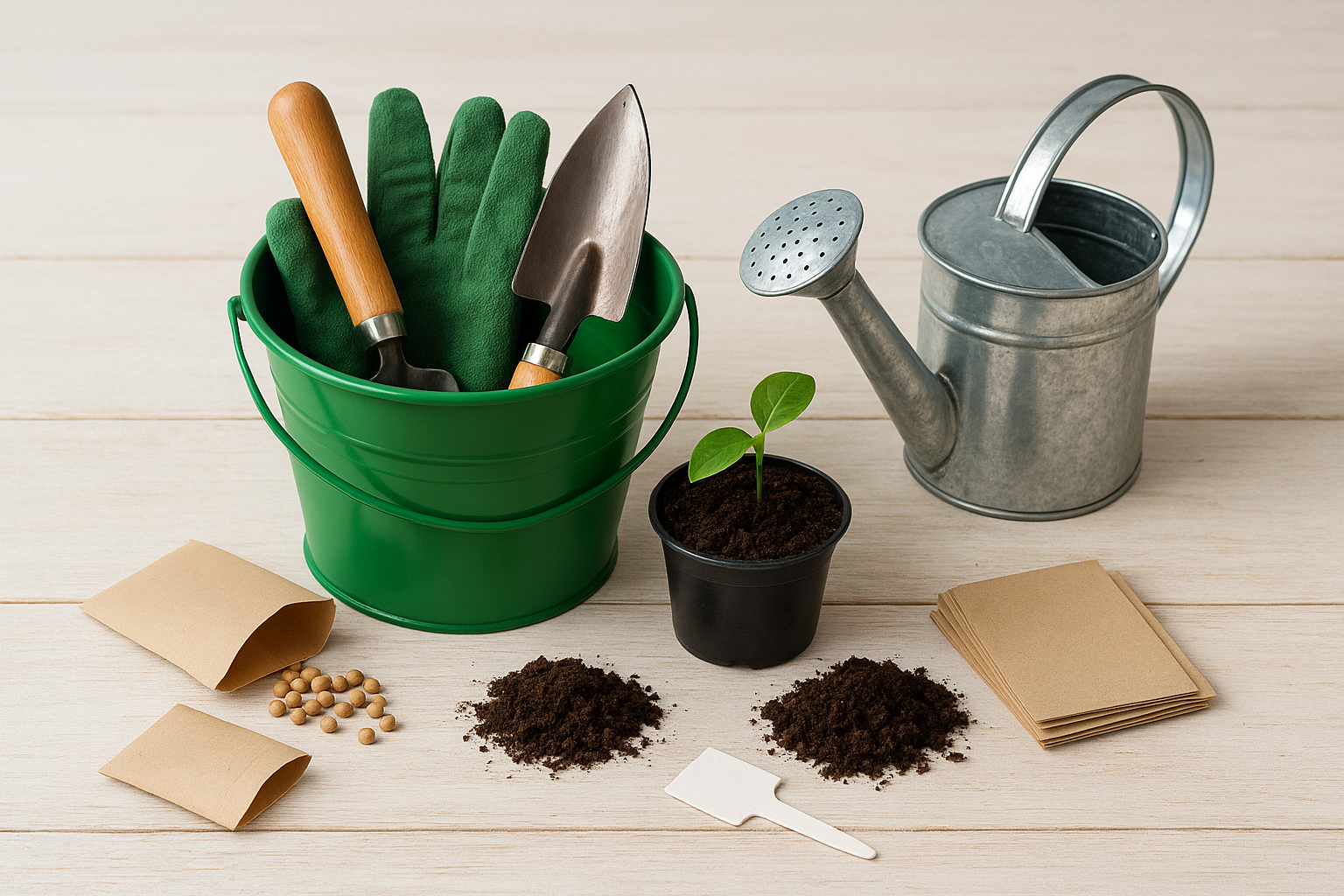
A starter kit should contain only what you need for the first planting and early care. The list below works as a planning guide for a small beginner garden. Adjust it for your space and the plants you choose rather than treating every item as mandatory.
Source: s3.amazonaws.com
For a small container garden
Choose two or three suitable pots with drainage holes, potting mix, seeds or seedlings, a trowel, gloves, a watering can, and plant labels.
For a small vegetable bed
Plan for seeds or seedlings, a suitable bed or prepared soil, a trowel, gloves, a spade if digging is needed, a watering method, and mulch if useful.
For a flower garden
Choose plants suited to the light and soil, a trowel, gloves, water access, and pruning shears if the selected plants need trimming.
For indoor herbs
Use pots with drainage, potting mix, suitable herbs, a watering can, and a bright growing spot or suitable grow light.
A Simple Weekly Care Routine
A short, regular check can help you spot problems early. The exact schedule depends on weather, plant type, and garden size, so use this as a flexible routine rather than a strict timetable.
Check moisture
Feel the soil near the root zone and water when needed for that crop and growing medium.
Inspect leaves and stems
Look for pests, spots, broken stems, and signs of new growth.
Remove weeds
Pull young weeds before they become established, taking care around crop roots.
Support plants
Adjust ties and supports as plants grow, and keep stems from being pinched.
Clean and store tools
Remove soil, dry metal parts, and put tools away safely after use.
Frequently Asked Questions
Q
What do I need for gardening as a complete beginner?
Start with a suitable growing space, seeds or young plants, the right soil or potting mix, water, a hand trowel, and gloves. Add pruning shears if your plants need trimming. You can begin with a few pots or one small bed and buy more supplies as your needs become clear.
Q
Can I start gardening without a yard?
Yes. You can grow suitable herbs, leafy greens, flowers, and some vegetables in containers on a balcony, patio, or sunny windowsill. Choose pots with drainage, a suitable potting mix, and plants that fit the available light and space. Check building rules and balcony weight limits where applicable.
Q
What is the most important gardening tool?
For a small beginner garden, a hand trowel is one of the most useful tools because it helps with planting, transplanting, and moving growing mix. However, water access and a suitable growing medium are just as essential. The best first tool depends on the garden task you need to do.
Q
Do I need special soil for container gardening?
Most container plants grow best in a suitable potting mix rather than ordinary garden soil. Potting mixes are made to support air movement and drainage in confined spaces. Choose a mix that suits the plant, and make sure the container has drainage holes.
Q
How much sunlight does a beginner garden need?
The amount depends on the plants you choose. Many fruiting vegetables need about six to eight hours of direct sunlight, while some leafy greens and ornamental plants can grow with less. Check plant labels and observe the site through the day before deciding what to grow.
Q
How often should I water a new garden?
There is no single schedule that suits every garden. Check the root-zone moisture, recent rainfall, weather, plant type, and growing medium. Seedlings and small pots may dry out quickly, while established plants in suitable soil may need less frequent watering. Water thoroughly when needed without keeping roots constantly soggy.
Q
Do I need fertilizer when starting a garden?
Not always. Some potting mixes contain starter nutrients, and some garden soils may already supply enough for the plants you are growing. Use a soil test for in-ground beds when appropriate, check the growing mix label, and apply fertilizer only when the crop and growing conditions call for it.
Q
What is the easiest thing to grow for a beginner?
Radishes, loose-leaf lettuce, green beans, and some herbs can be approachable choices when their growing needs match your local conditions. The easiest crop depends on season, sunlight, temperature, and space. Start with a crop that fits your site and follow its seed packet or plant label.
✦ Wrapping Up
Conclusion
You do not need a large collection of supplies to start gardening. A suitable growing space, healthy soil or potting mix, seeds or seedlings, a reliable water source, and a few basic tools are enough for many small gardens. The key is to choose supplies that match your plants and the space you have.
Start small, learn how your plants respond to light and water, and add new tools only when a real need comes up. Check local planting guidance, keep your tools clean, and pay attention to early signs of stress. A simple garden that you can care for well is a better starting point than a large one that feels hard to manage.
💡 Key Takeaway
Before buying anything, choose one garden spot and three plants you want to grow. Check their sunlight, spacing, soil, and planting needs, then make a short list of only the supplies needed to get them started.