
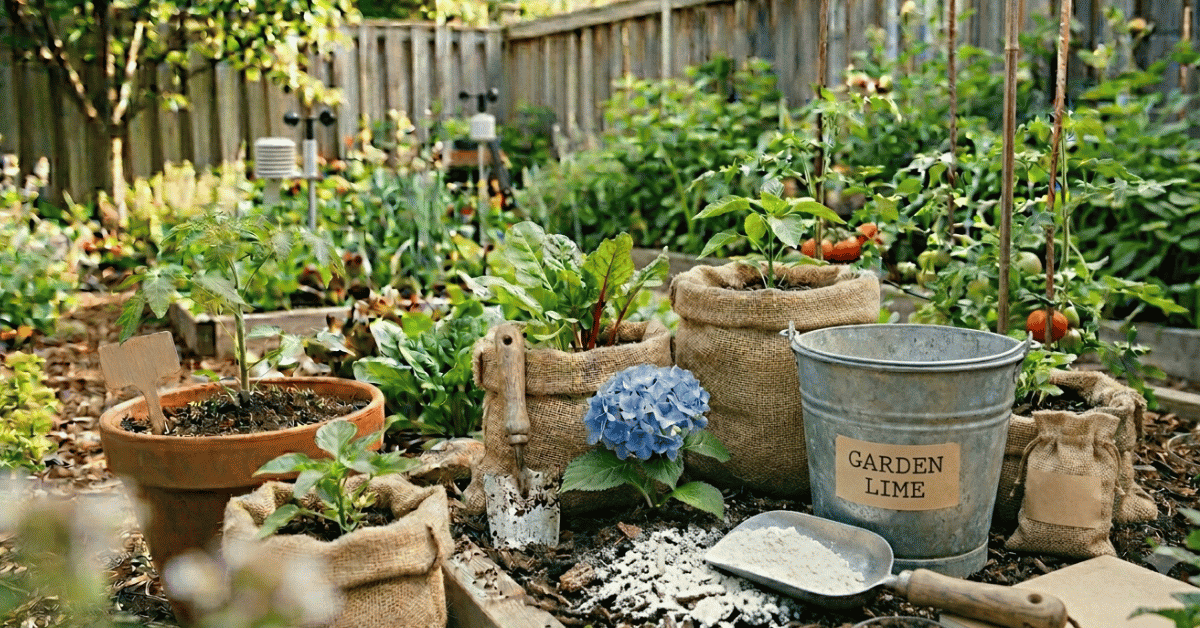
9 Amazing Ways Lime Boosts Your Garden
Got sad soil? A common fix is right under your nose. Lime is a garden superstar.
It tweaks your soil’s pH. This makes nutrients pop. Your plants will thank you.
It’s easy to use. It makes a big difference. Let me show you why.
What Exactly is Gardening Lime and Why Do I Need It?
Soil pH matters a bunch. Think of it like your plants’ dinner plate. If the pH is way off, they can’t grab their food.
Lime acts like a soil chef. It balances things out. My own garden used to struggle.
My tomatoes were yellowing. My beans just wouldn’t grow. I learned about lime.
I added some. Wow! What a change.
The plants perked right up. They started producing. It felt like magic, but it’s just science.
It’s calcium and magnesium. These are vital plant foods. Lime adds them.
It also helps your soil structure. It makes clay soil less sticky. It helps sandy soil hold water better.
It’s a true soil conditioner.
Understanding Soil pH: The Garden’s Secret Score
pH is a scale. It runs from 0 to 14. Seven is neutral.
Below 7 is acidic. Above 7 is alkaline. Most veggies love a slightly acidic to neutral soil.
Say, 6.0 to 7.0. Lots of soils dip too low. This is especially true in wet climates.
Or if you use certain fertilizers a lot. Low pH locks up good stuff. Phosphorus, for instance.
It’s crucial for roots and flowers. Even if you add it, your plants can’t get it. Lime raises the pH.
It makes those locked-up nutrients available. It’s like unlocking a treasure chest for your plants. You can test your soil.
Kits are easy to find. You can send samples away too. Knowing your pH is step one.
Getting it right is step two. Lime is often step two’s best friend.
The Magic of Calcium and Magnesium
Besides pH, lime adds essential minerals. These are calcium and magnesium. They are macronutrients.
Plants need them in big amounts. Calcium builds strong cell walls. This helps plants stand tall.
It also helps prevent blossom end rot. That’s a common issue with tomatoes. Magnesium is the core of chlorophyll.
That’s what makes leaves green. It’s key for photosynthesis. Plants use sunlight to make food.
Without enough magnesium, plants get pale. They struggle to grow. Adding lime provides these.
It’s a two-for-one deal. You fix pH and add vital minerals. It’s a simple way to boost plant health.
I saw my pepper plants grow bigger leaves. The green was so rich. It was all thanks to that balanced soil.
Different Types of Lime and Which to Pick
Not all lime is created equal. There are a few main types. Each has its own quirks.
Knowing the difference helps you choose. It prevents mistakes.
Garden Lime vs. Agricultural Lime: What’s the Difference?
Garden lime is usually finely ground. It works faster. It’s good for quick adjustments.
Agricultural lime is coarser. It breaks down slower. It provides a longer-lasting effect.
Think of it like powder versus granules. For a faster fix, garden lime is your pick. For long-term soil health, agricultural lime is great.
I tend to use garden lime. I like seeing results sooner.
Pulverized Limestone and Dolomitic Limestone: A Closer Look
Pulverized limestone is calcium carbonate. It’s pure calcium. Dolomitic limestone has both calcium and magnesium.
It’s calcium magnesium carbonate. If your soil is low in just pH and calcium, pulverized is fine. If your soil also lacks magnesium, dolomitic is the better choice.
I always check my soil test. It tells me if I need magnesium. Dolomitic is my go-to if it’s low.
It covers both bases.
Hydrated Lime and Quicklime: Use With Extreme Caution
These are very strong. They are also called burnt lime. Hydrated lime is CaCO3 mixed with water.
Quicklime is CaO. They react fast. They can burn plants if you use too much.
I never use these in my garden. They are too risky. Stick to the safer, ground limestones.
They are made for gardeners like us.
How to Apply Lime to Your Garden Correctly
Applying lime is not hard. But you need to do it right. Doing it wrong can harm your plants.
Or it just won’t work.
Timing is Everything: When to Add Lime
The best time to add lime is in the fall. Or very early spring. Before planting.
Lime takes time to work. It needs rain or snow to dissolve. It needs to mix into the soil.
If you add it right before planting, it might not have enough time. This can upset nutrient uptake. I like adding mine after I harvest in fall.
The soil has all winter to absorb it. Then it’s ready for spring planting.
The Right Amount: Don’t Guesses Here!
This is super important. Too much lime is bad. It can raise your soil pH too high.
This can lock up other nutrients. Always follow soil test recommendations. Or check a reliable guide.
Soil tests give you a rate in pounds per 100 or 1000 square feet. For a small garden, I use a scoop. I measure it carefully.
For a larger area, I use a spreader. I always err on the side of less. I can always add more later.
Application Methods: Spreading the Goodness
You can spread lime by hand. Or use a broadcast spreader. For raised beds, I often use a trowel.
I sprinkle it evenly. Then I gently rake it in. If I’m planting new beds, I spread it.
Then I till it into the soil. Mixing it in really helps it work faster. Avoid getting lime dust on your leaves.
It can scorch them. Wear gloves and a mask. It’s dusty stuff.
What NOT to Mix Lime With
This is a critical point for gardeners. Never mix lime with fresh manure. Or with nitrogen fertilizers like urea.
Lime can cause nitrogen to convert to ammonia gas. This escapes the soil. You lose valuable nitrogen.
Your plants miss out. Wait a few weeks between applying lime and these fertilizers. I learned this the hard way.
My first year, I mixed everything. My plants growth stalled. Oops.
Here’s a quick look at common lime use for pH adjustment:
| Soil pH | Lime Needed (lbs per 100 sq ft) | Notes |
|---|---|---|
| 5.0 | 5-10 | Significant adjustment needed. Use dolomitic if magnesium is low. |
| 5.5 | 3-6 | Adjust according to soil test for calcium/magnesium. |
| 6.0 | 1-3 | Small adjustment. Monitor pH closely. |
| 6.5+ | 0 | No lime needed. Do not apply. |
Note: These are general guidelines. Always refer to your specific soil test results.
Benefits of Lime for Your Gardening Success
Using lime has so many perks. It makes gardening easier. It makes plants happier.
Boosting Nutrient Availability
I touched on this earlier. Lime makes nutrients your plants need available. Phosphorus, potassium, calcium.
They become accessible. Even if your soil already has them. They were just locked up.
Lime unlocks them. It’s like turning on a faucet for your plants. They can finally drink up.
My blueberry plants always loved a slightly acidic soil. I learned that not all plants want lime. My zucchini and tomatoes do.
I learned to test each patch.
Improving Soil Structure
For clay soils, lime is a blessing. It helps clay particles clump together. This creates better pore space.
Water drains better. Air gets into the soil. Plant roots can breathe.
It prevents that waterlogged mess. For sandy soils, lime helps particles stick together more. This improves water and nutrient retention.
It won’t let everything wash away. It makes soil more stable. It’s like redecorating your soil’s foundation.
Helping Problematic Soil Types
Some soils are just tough. Acidic bogs are a common culprit. Bob’s garden is near a swamp.
His soil was always way too acidic. He couldn’t grow much. He used lime.
Now he grows fantastic beans. He even has strawberries. It transformed his patch.
It’s especially helpful for soils that are naturally low in calcium. Many vegetable crops need calcium. They thrive after a lime application.
Keeping Pests and Diseases at Bay
This is a bonus I didn’t expect. Healthy plants resist pests and diseases better. Balanced soil means stronger plants.
They’re less susceptible to problems. Some soil pests might also dislike higher pH. It’s not a pesticide, mind you.
But a healthier plant is a tougher plant. That means less work for me trying to fight off bugs. I saw fewer slugs after I started liming.
Promoting Stronger Root Development
Roots are everything. If roots are weak, the whole plant suffers. Calcium from lime is vital for root growth.
Strong roots anchor the plant. They search for water and food. They help plants survive dry spells.
I’ve noticed my root vegetables grow bigger. Carrots and potatoes are more plump. They are easier to dig up too.
When NOT to Use Lime: Crucial Warnings
So, lime is great. But it’s not for every plant. Or every situation.
Knowing when to avoid it is key.
Plants That Prefer Acidic Soil
This is the big one. Many plants hate lime. They need acidic soil to thrive.
Think of blueberries. Rhododendrons. Azaleas.
Hydrangeas (unless you want blue flowers, then you need acid soil!). If you add lime to their soil, you harm them. The pH goes up.
They can’t absorb nutrients. They turn yellow and look awful. I once tried to be helpful.
I added lime near my neighbor’s prized hydrangeas. They turned a sickly brown. Oops again.
Always know what your plants like.
Over-Liming: The Danger of Too Much
I mentioned this before. Too much lime is a real problem. It can make your soil too alkaline.
This is called over-liming. It locks up iron. This causes iron chlorosis.
Leaves turn yellow between the veins. It also locks up manganese and phosphorus. This can stunt growth.
It’s hard to fix over-limed soil. It usually involves adding sulfur or organic matter. It takes a long time.
Always measure carefully.
Using Lime with Other Amendments
Be careful when combining lime with other soil additives. Some might react poorly. For instance, aluminum sulfate is used to lower pH.
Mixing it with lime would cancel out both. Always research before mixing. Or stick to simple things.
Use lime on its own. Or with compost. Compost is always a good choice.
It helps balance things out naturally. If you’re using something like coconut coir for healthier plants, lime can be a great partner to balance the pH of the coir itself.
Frequently Asked Questions About Garden Lime
When should I add lime to my garden beds?
Add lime in late fall or early spring. It needs time to work into the soil.
Can I put lime on my lawn?
Yes, lime can help lawns too. Especially if the soil is acidic.
What’s the difference between lime and fertilizer?
Lime adjusts soil pH and adds calcium/magnesium. Fertilizer adds nutrients for plant growth.
How often should I apply lime?
Usually once every 1-3 years. Follow soil test results.
Is it safe to use lime around pets and children?
Yes, garden lime is typically safe. Just avoid inhaling dust.
Lime is a fantastic tool for any gardener. It’s simple, affordable, and effective. Mastering its use will transform your soil.
And your plants will flourish like never before. Give it a try. You won’t regret it.