
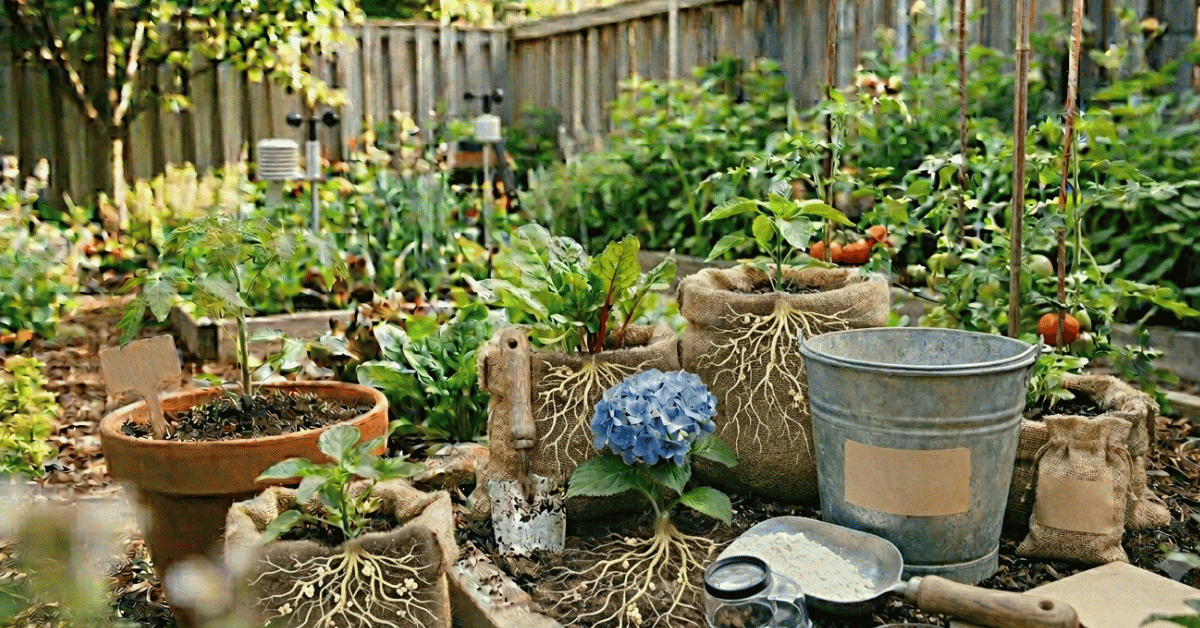
Want greener leaves and bigger blooms this year? Discover how mycorrhizal fungi can transform your garden’s soil. Let’s dig in!
My garden has seen some real magic happen after I started using mycorrhizal fungi. It’s like giving my plants a secret superpower for getting food and water. I used to struggle with plants that just seemed… sad.
They wouldn’t grow much, and their flowers were always on the skimpy side. Then, a friend told me about these fungi. Honestly, I was skeptical.
How could tiny, invisible things make such a difference? But I decided to try it, and wow. What a game-changer.
Why Do I Need Mycorrhizal Fungi for Gardening?
You absolutely need these tiny helpers, especially if your soil isn’t naturally rich or if you’re growing plants in pots. My soil here is pretty sandy. It drains too fast and doesn’t hold onto nutrients well.
Plants often look thirsty, even when I water them. Since adding mycorrhizal fungi, my plants are like totally different creatures. They stand taller, their leaves are a deeper green, and they’ve been putting out blossoms like crazy.
It’s not just about looks; they’re genuinely healthier and more resilient.
When you buy plants, their roots are often in a small pot. They don’t have much room to explore. Mycorrhizal fungi are like an extension of those roots.
They stretch out way further than the roots can on their own. Think of them as a built-in sprinkler system and a personal chef for your plants. They grab water from tiny pockets in the soil.
They also pull in nutrients, like phosphorus, that plants sometimes have trouble getting to.
How Fungi Become Plant Friends
This relationship is super old. Plants and these fungi have been working together for millions of years. It’s a natural partnership, a win-win.
The fungi get sugars from the plant’s roots. In return, they give the plant access to way more resources. It’s nature’s networking system at its finest.
When I first learned about this, it just clicked. It explains why some plants in my garden are thriving and others have always been a bit of a struggle.
What Are These Fungi Exactly?
Mycorrhizal fungi aren’t like the mushrooms we see popping up after rain. These are microscopic threads, called hyphae. They live in and around plant roots.
There are two main types homeowners usually deal with.
Arbuscular Mycorrhizal Fungi (AMF)
These are the most common for vegetable gardens and most flowers. The fungi’s hyphae actually grow right inside the plant’s root cells. They form little tree-like structures called arbuscules.
That’s where they exchange nutrients and water. I’ve used AMF products on my tomato plants, and it’s been amazing. The plants just seem more robust from the start.
Ectomycorrhizal Fungi (EMF)
These fungi surround the root tips but don’t usually enter the root cells themselves. They form a thick sheath around the root. They’re more common with trees, especially conifers like pines and oaks, and some shrubs.
If you’re planting a new fruit tree, using an EMF product can give it a serious head start.
Spotting the Signs of Happy Fungi
It’s hard to see the fungi themselves, but you can see their work. Healthier, greener leaves are a big clue. Plants that resist stress better, like drought or pests, are also a good sign.
One year, we had a really dry spell. Most of my neighbor’s gardens looked pretty rough. Mine, however, held up much better.
My plants just seemed to find water when others couldn’t. That’s when I really knew my fungi were doing their job.
The Amazing Benefits of Mycorrhizal Fungi for Your Garden
Using these fungi is like giving your plants a premium upgrade. It’s not just a little boost; it’s a fundamental improvement to how they grow and thrive. I’ve seen it firsthand in my own garden.
It’s cut down on problems and made gardening so much more rewarding.
Enhanced Nutrient Uptake
This is a big one. Plants can’t move much on their own. They rely on what’s right around their roots.
Mycorrhizal fungi are like tiny little tractors, going out and finding nutrients in the soil. They are especially good at getting phosphorus. Phosphorus is crucial for root growth and flowering.
It can be hard for plants to access in the soil. My tomatoes are always the first to set fruit, and I’m convinced it’s because they have this amazing root system helping them.
Improved Water Absorption
The fungal threads extend far beyond the plant roots. This creates a much larger area to soak up water. During dry spells, this is a lifesaver.
My plants seem to stay hydrated longer. I don’t have to water as often, especially when it’s hot. This saved my beans last summer when I was away for a few days.
They looked much better than I expected when I got back.
Increased Plant Vigor and Growth
With better access to food and water, plants simply grow better. They get stronger stems, more leaves, and a more robust overall structure. This means bigger harvests and more beautiful blooms.
My rose bushes have never looked so bushy, and the flowers are larger than ever before. It’s like they’re getting a super-powered diet.
Better Stress Tolerance
Plants with healthy mycorrhizal connections are tougher. They can handle tough conditions better. This includes drought, poor soil, and even some soil-borne diseases.
They seem more resilient. If a plant is stressed, it’s more likely to recover. I’ve noticed my plants bounce back quicker after a bout of bad weather.
Reduced Need for Fertilizers
Because the fungi help plants absorb nutrients more efficiently, you might find you need less fertilizer. This is great for your wallet and for the environment. You’re not over-relying on artificial inputs.
It feels good to garden in a way that’s more natural and sustainable. I’ve definitely cut back on how much fertilizer I use since I started adding mycorrhizal fungi.
How to Use Mycorrhizal Fungi in Your Garden
Getting these fungi into your garden is pretty straightforward. It’s not complicated at all. I recommend doing it when you plant new things or when you repot.
This gives the fungi the best chance to connect with the roots.
For New Plantings
When you’re putting in new plants, whether it’s seeds, seedlings, or larger shrubs, this is the prime time.
- Seeds: You can mix a little granular product into the soil before sowing seeds. Or, you can coat the seeds lightly before planting.
- Seedlings/Transplants: Before putting the plant in its new hole, sprinkle the granular product directly onto the root ball. Make sure it touches the roots. Then, plant as usual.
- Bare-root plants: For things like fruit trees or roses that come with bare roots, dip the roots in a powder or gel form of the fungi before planting.
I always do this when I plant my garden bed. It feels like setting up my plants for success from day one. I remember planting some new hydrangeas, and they took off so much faster than old ones I’d planted before without the fungi.
For Established Plants
You can also add mycorrhizal fungi to plants that are already growing. It’s not as direct as with new plantings, but it still helps.
- Around the Drip Line: For bigger plants, like trees and shrubs, sprinkle the granular product around the base of the plant, out to the edge of its branches (the drip line). Then, water it in well. This lets the fungi reach new root growth.
- Repotting: When you repot houseplants or container plants, add the granular product to the fresh soil you’re using. Ensure it’s mixed in and touches the roots when you replant.
I do this for my potted herbs every spring. They always seem to get a fresh burst of growth after I repot them with the fungi mixed in.
Types of Mycorrhizal Fungi Products
Products come in different forms, making them easy to use for various gardening tasks.
- Granular: This is the most common type. It looks like a powder or small grains. You sprinkle it directly on roots or mix it into soil. It’s great for general planting.
- Powders: These are fine powders that you can mix with water to create a slurry. You can dip roots into this slurry. Some also come as dust for coating seeds or roots.
- Liquids/Gels: Similar to powders, these are typically concentrated and mixed with water. They are good for watering in or for specific application methods.
I tend to stick with granular because it’s easy to measure and apply. No mess, no fuss.
When to Avoid Using Mycorrhizal Fungi
While these fungi are amazing, there are a few situations where you might not want to use them, or at least, use them with caution.
When Using High Phosphorus Fertilizers
Mycorrhizal fungi are especially good at mining phosphorus from the soil. If you are already using a fertilizer that is very high in phosphorus, adding more mycorrhizal fungi might not be as effective. The fungi might not be triggered to work as hard if there’s already a ton of phosphorus available.
It’s a bit like giving a starving person a feast and then expecting them to hunt for more food. My garden mentor always told me to check my fertilizer ratios. I make sure not to overdo phosphorus when I’m using mycorrhizal products.
In Heavily Sterilized or Diseased Soils
If your soil has been heavily treated with pesticides or has a known disease problem, it might be a difficult environment for the fungi to establish. Sometimes, these treatments can harm the beneficial microbes, including mycorrhizal fungi. In such cases, you might need to focus on rebuilding soil health first.
Sometimes, even after problems, adding fungi can help. But it’s something to be aware of.
For Certain Plants
A small number of plants simply don’t form natural mycorrhizal associations. These are often plants in the Brassica family (like broccoli, cabbage, kale) and some flowers like Proteas. Always check if the plants you are using them on will benefit from mycorrhizal fungi.
Most common garden plants get a huge advantage from them.
Here’s a quick look at how common soil amendments compare:
| Feature | Mycorrhizal Fungi | Coconut Coir | Coarse Sand | Copper (in moderation) |
|---|---|---|---|---|
| Primary Benefit | Enhances nutrient & water uptake | Improves aeration & drainage | Improves drainage | Fights fungal diseases |
| Root System Aid | Yes, extends reach | Indirectly by soil structure | Indirectly by soil structure | Minimal |
| Nutrient Source | No, facilitates uptake | No | No | Yes, trace element |
| Water Retention | Improves absorption | Good, but drains well | Poor | Not directly affected |
| Ease of Use | Easy (mix in soil) | Easy (mix in soil) | Easy (mix in soil) | Use with care/specifics |
| Best For | Most plants | Improving potting mix, soil | Heavy clay soils | Specific plant needs |
This table just shows that different things do different jobs. Mycorrhizal fungi focus on helping plants feed and drink.
Can I Use Them With Other Soil Amendments?
Yes! In fact, I often do. Mycorrhizal fungi work really well with other beneficial amendments.
For example, adding compost is always a great idea. It builds overall soil health. Coconut coir is fantastic for improving soil structure.
It helps with drainage and aeration. You can find more on coconut fiber for healthier plants and why coconut coir is a smart switch. I also love using coarse sand for my best soil when I need to improve drainage.
Mycorrhizal fungi are like the cherry on top of a healthy soil mix. They help the roots make the most of all those good things you’re adding. Even copper for gardening can be beneficial in specific ways, but mycorrhizal fungi are about fundamentally improving how the plant interacts with its environment for growth.
Frequently Asked Questions
How long does it take to see results from mycorrhizal fungi?
You might see changes in weeks. Bigger blooms or greener leaves may appear soon. Deeper root growth takes longer.
Can I use mycorrhizal fungi on all my plants?
Most garden plants benefit greatly. Some plants like broccoli or proteas don’t. Always check your specific plant needs.
Is it safe to use too much mycorrhizal fungi?
Using more than recommended usually won’t hurt. It’s generally safe for plants and soil.
Should I use mycorrhizal fungi with fertilizer?
Yes, but be careful with high phosphorus fertilizers. Fungi help plants use nutrients better.
Where can I buy mycorrhizal fungi for my garden?
Look in garden centers or online retailers. Many brands offer different types and forms.
Using mycorrhizal fungi feels like unlocking a secret level in gardening. It’s a natural, effective way to get healthier plants, better blooms, and bigger harvests. I’ve seen it work wonders in my own garden, and I think you will too.
Give them a try!