
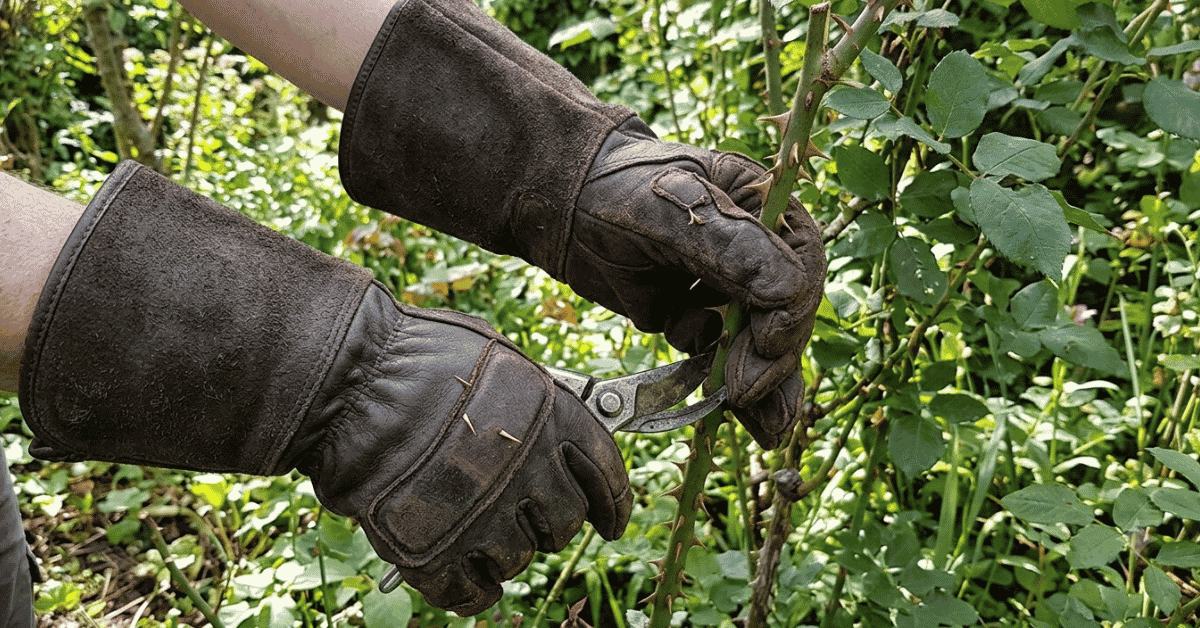
I used to dread tackling our rose bushes. Those nasty thorns would snag my skin, leaving me with itchy red welts. Then I discovered the right gardening gloves for thorns.
Now, I can prune and deadhead without a second thought. This guide will show you what to look for so you can garden worry-free too.
Why Do I Need Gardening Gloves for Thorns?
Honestly, my first few years gardening were a battle. I learned the hard way about raspberry canes and blackberry brambles. My hands looked like I’d wrestled a cat!
It wasn’t just discomfort; broken skin means infection risk. That’s no good when you’re trying to enjoy your plants. Proper thorn-proof gloves are a game-changer.
They’re your first line of defense against painful pricks and scratches. Think of them as a force field for your hands. You can finally reach into dense bushes or handle thorny stems with confidence.
It lets you focus on the beauty, not the pain.
The Painful Truth About Unprotected Hands
When you’re working with plants like roses, barberry, or anything with sharp defenses, your skin is the first thing to suffer. Those tiny little thorns seem harmless, but they can cause surprising damage. They can break the skin easily.
Even shallow cuts can become red, inflamed, and painful. Itching is a big one for me. Sometimes, I’d delay gardening tasks just to avoid the aftermath.
My fingers would be sensitive for days. And if you’re working on a larger garden with lots of thorny plants, it’s not just a quick snag. It can be constant irritation.
This can make you less likely to do the essential maintenance your garden needs.
More Than Just Protection: The Unexpected Benefits
Beyond shielding your skin, the right gloves offer more. For me, they give me a better grip. That’s crucial when you’re trying to prune tricky branches or pull stubborn weeds.
A secure grip means more control. This leads to cleaner cuts with pruning shears, which helps plants heal faster. It also reduces slips and accidents.
I also find they keep my hands cleaner. No more scrubbing dirt from under my fingernails for ages! It’s a small thing, but it adds up.
Plus, you feel more confident tackling tough jobs like clearing out overgrown hedges. It’s like having an extra layer of capability. This confidence can make you a better gardener.
It encourages you to take on projects you might have avoided before. This idea of a simple layer improving your gardening is seen in other tools too, like how one simple black gardening tool can make a breakthrough.
What Makes Gloves “Thorn Proof”?
It’s not just about thick material. It’s a combination of things. Think about the layers and the type of material used.
Some gloves are designed specifically for this kind of tough work. They’re built to handle those sharp little needles.
Material Matters: The Best for Battling Barbs
When I’m looking for gloves that can handle thorns, I pay close attention to the material. You can’t just grab any old pair.
- Leather: This is a classic for a reason. Thick leather, especially cowhide or goat hide, is excellent. It’s tough and durable, resisting punctures well. My favorite leather gloves have a good thickness without being too stiff. They mold to my hands over time.
- Synthetic Leather: Some synthetic materials mimic leather’s toughness. They can be a good option, sometimes lighter than real leather. I’ve found some blends that offer great protection and are surprisingly flexible.
- Reinforced Areas: Look for gloves with extra padding or thicker material on the palms, fingers, and back of the hands. This is where thorns are most likely to hit. Some have a double layer of fabric in these critical spots.
- Gauging Thickness: It’s not always stated, but you can often tell by feel. A glove that feels flimsy is probably not going to cut it. You want something that feels substantial.
Design and Fit: A Snug Defense
The best material in the world won’t help if the glove doesn’t fit well. A loose glove means your hand can shift inside. That’s when thorns can slip past the protection.
- Snug Fit: Gloves should fit snugly, like a second skin. There shouldn’t be much extra material around the fingers. This allows for dexterity.
- Adjustable Closures: Cuffs with Velcro or snaps are fantastic. They let you tighten the glove around your wrist. This stops dirt from getting in and prevents the glove from slipping down.
- Glove Length: For thorny work, I prefer gloves that go up my wrist. Gauntlet-style gloves are excellent. They protect your forearms from stray branches and thorns too. No one likes those sneaky ones that reach up your sleeve!
Abrasion and Puncture Resistance Ratings
Some high-quality gloves will have ratings for how well they resist abrasion and punctures. This is a good indicator of their toughness. While not every gardening glove will have these, if you see them, it’s a positive sign.
They’re often found on gloves designed for heavier-duty work. Think of construction or industrial gloves. Some of the best gardening gloves borrow from that technology.
Types of Gardening Gloves for Thorns
Not all gloves are created equal when it comes to thorny tasks. Here’s a breakdown of what works best for me.
Heavy-Duty Leather Gloves
These are my go-to for serious thorny-bush cleanup. They are robust and offer superior protection.
- Pros: Excellent puncture resistance. Very durable. Often comfortable with a break-in period. Can last for years with good care.
- Cons: Can be stiff initially. May reduce dexterity for very fine work. Can get warm in hot weather.
- My Experience: I find a good pair of thick leather gloves makes tackling overgrown rose beds so much easier. I don’t have to wince every time I reach in.
Reinforced Fabric Gloves
These often use a blend of materials with strategically placed reinforcements. Many are designed to be both protective and breathable.
- Pros: Good balance of protection and flexibility. Often more breathable than pure leather. Can be lighter weight.
- Cons: May not be as puncture-proof as thick leather. Durability can vary greatly by brand and construction.
- My Experience: For general pruning of thorny plants, these are great. I like models with extra padding on the fingertips. It helps when you’re trying to grip thorny stems gently.
Gauntlet Style Gloves
These are distinguished by their long cuffs that extend up your forearm. This is a crucial feature for thorny plants.
- Pros: Excellent forearm protection. Prevents thorns from snagging sleeves and reaching skin. Offers a more secure fit around the wrist.
- Cons: Can be bulkier. May feel like overkill for less thorny plants.
- My Experience: Anytime I’m dealing with thorny hedges or large bushes, gauntlet gloves are a must. I remember one time I almost got a nasty scratch on my forearm from a rogue branch. Gauntlets saved me! It’s this kind of thoughtful design that makes gardening safer. This is similar to how 7 hidden wins of gardening plastic show unexpected benefits in other areas.
Gloves with Special Grips
Some gloves add textured surfaces to palms and fingers. This can improve your hold on slippery or thorny stems.
- Pros: Enhanced grip. Reduces hand fatigue from needing to grip too tightly.
- Cons: Grip pattern can wear down over time. Not necessarily an indicator of puncture resistance.
- My Experience: I’ve found gloves with a subtle grip pattern help when I’m working with wet, thorny branches. It gives me that extra bit of control.
Here’s a quick look at different glove features to compare:
| Feature | Leather Gloves | Reinforced Fabric | Gauntlet Gloves | Special Grip Gloves |
|---|---|---|---|---|
| Puncture Resist | Excellent | Good | Excellent | Varies |
| Durability | Excellent | Good | Excellent | Varies |
| Flexibility | Fair to Good | Good to Excellent | Fair to Good | Good to Excellent |
| Forearm Protect | Varies | Varies | Excellent | Varies |
| Breathability | Fair | Good | Fair | Good |
| Grip | Good | Good | Good | Excellent |
Choosing the Right Gloves for Your Needs
It’s not a one-size-fits-all situation. The best gloves depend on what you’re growing and how often you’re gardening.
Consider Your Garden’s Thorns
What kind of thorny plants do you have? Rose bushes are one thing. Dense thickets of brambles or prickly pear cactus are another.
For very aggressive thorns, you need the toughest gloves. For light thorny plants, a good quality reinforced fabric glove might be enough.
Frequency of Gardening Tasks
If you’re a weekend warrior, a good all-around pair might suffice. If you’re doing heavy-duty pruning or clearing for hours every week, you’ll want something more robust. Durability becomes key.
You don’t want to replace gloves constantly. The longevity of durable materials often wins out here. This is similar to how black gardening tools can work like magic for their resilience.
Comfort and Dexterity
I can’t stress this enough. If your gloves are uncomfortable, you won’t wear them. If they’re too bulky, you’ll struggle with tasks.
Find a balance. Some leather gloves feel stiff on day one but become incredibly comfortable. Others might offer less protection but allow for more delicate work.
Think about what you do most often. Do you need to tie plants? Handle small tools?
Or just power through thorny mess?
Special Considerations: Allergies and Sensitivity
Some people have skin sensitivities to certain materials. Leather is natural, but some people react to dyes or tanning agents. Synthetic materials can sometimes cause irritation.
If you have sensitive skin, look for gloves made with hypoallergenic materials or that are specifically labeled as safe for sensitive skin. Always check the material composition if you have known allergies.
How to Care for Your Gardening Gloves for Thorns
Taking care of your gloves means they’ll take care of you longer. It’s simple stuff, really.
Cleaning Your Gloves
After a day of gardening, especially in the dirt, your gloves will need a clean. For leather gloves, I usually wipe them down with a damp cloth. For fabric gloves, you can often wash them in cool water.
Check the care label if there is one. Don’t just throw them in the washing machine with your regular clothes unless you know they’re tough enough. And never put leather gloves in the washing machine.
It will ruin them.
Drying and Storage
This is super important for leather. Never dry leather gloves by a heater or put them in direct sunlight. This can make them crack and become stiff.
I always let mine air dry away from heat. Once dry, I store them somewhere cool and dry. Hanging them up or keeping them in a drawer works well.
Avoid stuffing them in a wet tool bag. That’s a fast way to get mildew. Proper storage prevents them from getting misshapen and keeps the material in good condition.
It’s like taking care of any good tool; it’s an investment.
Repairing Minor Damage
Sometimes, a seam might start to fray, or a stitch might come loose. For good quality gloves, especially leather ones, minor repairs can extend their life. A bit of strong fabric glue or some heavy-duty thread and a needle can often fix small issues.
Don’t let a tiny problem become a big reason to throw them away.
Common Questions About Thorn-Proof Gardening Gloves
Are thick leather gloves the only way to protect from thorns?
Not at all. Many reinforced fabric and synthetic gloves offer excellent thorn protection. Look for durable materials and reinforced areas.
Will my gardening gloves make my hands sweat a lot?
Some materials are more breathable than others. Leather can get warm, while some modern fabrics are designed for airflow. Gauntlet styles can also trap heat.
How long should gardening gloves for thorns last?
With proper care, a good pair of heavy-duty leather gloves can last several years of regular use. Lighter-duty gloves may need replacing sooner.
Can I use work gloves for thorny gardening?
Yes, many heavy-duty work gloves are designed for puncture and abrasion resistance and can be effective for thorny gardening tasks.
Is it okay to wear gloves that are a bit loose?
No, a snug fit is best for thorn protection. Loose gloves allow your hand to move, potentially exposing skin to thorns past the glove’s protection.