
7 Clever Uses for Gardening Plastic
See how gardening plastic can simplify your yard work and boost your harvests. Discover practical tips and surprising benefits today!
I remember the frustration. It was late spring, and I’d just bought a bunch of new plants. I had all these empty plastic pots and trays scattered around.
Where do they all go? And how can I use them better? That’s when I really started paying attention to gardening plastic.
It’s everywhere in our hobby, isn’t it? From tiny seed trays to big cloches. I’ve spent a lot of time figuring out how to make the most of it.
It’s not just trash; it’s a resource waiting to be tapped.
What is Gardening Plastic Exactly?
Gardening plastic refers to any plastic material used in gardening. This covers a huge range of items. Think about plant pots, seed trays, watering cans, mulch films, cloches, and even some tools.
It’s become a staple for many gardeners because it’s durable and often cheap. My shed is full of it. I’ve got stacks of pots of all sizes.
I also have those thin black plastic sheets we use for weed control. It’s a versatile material.
The Versatile World of Gardening Plastic
Gardening plastic is incredibly varied. It comes in many shapes, sizes, and types. Each kind serves a different purpose.
Understanding these uses helps you get more from your gardening efforts. It also helps you manage waste better. I’ve learned that looking at old plastic differently can spark new ideas.
Pots and Trays: The Basics
Plant pots are probably the most common type of gardening plastic. They hold your plants and their soil. Seed trays let you start plants indoors.
They have little cells for each seed. I’ve found that reusing these is super easy. Just wash them out.
They’re ready for another season. I often save my seed trays. They’re perfect for starting herbs indoors before the last frost.
It saves me money and keeps plastic out of the landfill.
Mulch Films and Landscape Fabrics
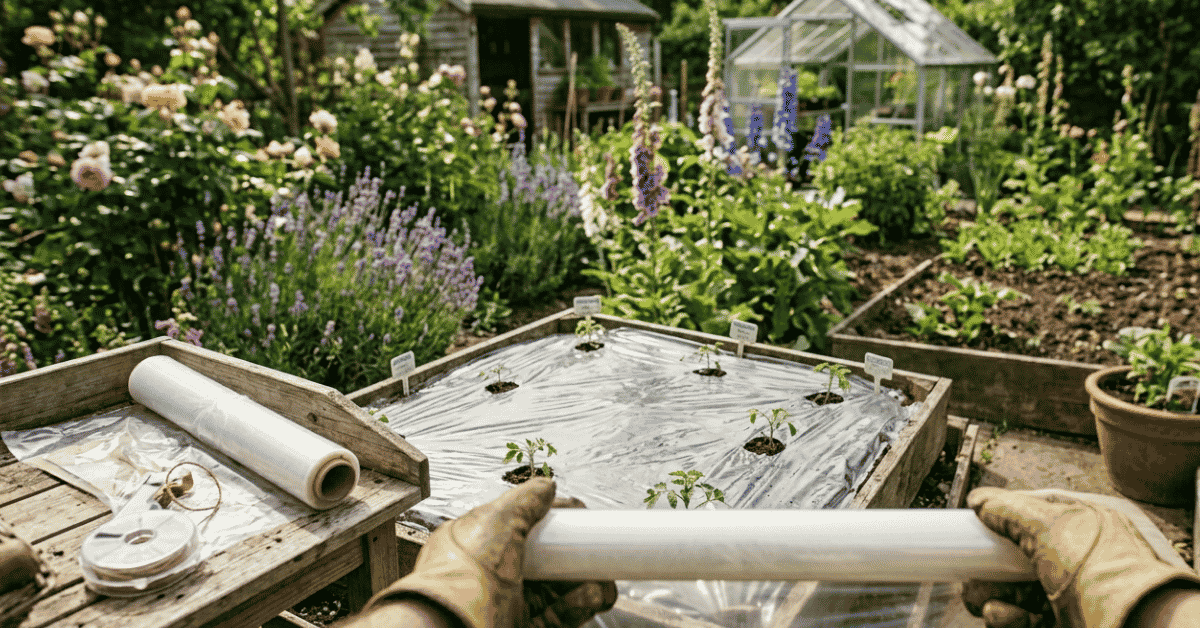
These are typically thin sheets of plastic. They cover the soil around plants. This controls weeds and keeps moisture in.
Black plastic mulch is very popular. It heats up the soil. This helps some plants grow faster.
I use it on my tomato plants. It makes a big difference in yield. The plastic also stops weeds from growing.
This means less back-breaking work for me.
Cloches and Covers
Cloches are like mini-greenhouses for individual plants. They protect young plants from cold or pests. Many are made of clear plastic.
This lets sunlight through. I have a few plastic cloches I use for my lettuce. They help it get a head start in spring.
They also keep slugs away. Slugs seem to love tender lettuce leaves. These covers are a lifesaver.
Watering Cans and Other Tools
Many watering cans are made of plastic. They are light and easy to use. Some gardening tools also have plastic handles for comfort and grip.
Even wheelbarrows can be made of plastic. They are lighter than metal ones. I prefer my plastic watering can.
It’s not too heavy when full. It makes watering all my pots much easier.
Smart Ways to Use Gardening Plastic
Gardening plastic isn’t just for its intended purpose. You can get creative and find new ways to use it. This reduces waste and saves you money.
I’m always looking for ways to repurpose things. It makes me feel good to give old plastic new life. It’s like a treasure hunt in my own garden.
Protecting Seedlings
Clear plastic bottles can be cut and used as mini-greenhouses for seedlings. This is especially useful for tender young plants. Just cut the top off a large soda bottle.
Place it over a small plant. It traps warmth and moisture. I do this for my pepper seedlings.
They need a lot of heat. This simple trick gives them a big boost. It’s a great way to reuse plastic bottles.
Seed Starting Hacks
Those small plastic containers from food, like yogurt cups or berry containers, can be turned into seed starters. Punch a few drainage holes in the bottom. Fill with seed starting mix.
They work just as well as store-bought trays. I have a collection of these. They are perfect for starting a few seeds of different flower varieties.
You can label them easily with a marker.
Extending Growing Seasons
Black plastic sheeting can be laid down for a few weeks before planting. This warms the soil. It helps you plant earlier.
This is especially good for root vegetables or crops that like warm soil. I’ve tried this with my carrot beds. It helps the soil warm up faster in early spring.
This means I can sow carrot seeds sooner. It genuinely makes my garden more productive. You can learn more about black gardening plastic and its yard work magic.
Water Conservation
Plastic mulch films keep moisture in the soil. This means you water less often. This is great for dry climates or during hot summer months.
It also reduces weed growth, which compete for water. I found that areas with plastic mulch needed watering much less frequently. It’s a huge time saver.
It also helps conserve a precious resource. For more on this, check out 7 hidden wins of gardening plastic.
Pest Deterrents
Some gardeners use plastic collars around the base of plants. This can deter cutworms and other soil-dwelling pests. You can make these from cut-up plastic bottles.
Just create a ring and push it slightly into the soil. This creates a barrier. I did this for my young broccoli plants one year.
It seemed to help a lot. The cutworms couldn’t get to the stems.
The Pros and Cons of Gardening Plastic
Like anything, gardening plastic has its good and bad points. It’s important to know both. This helps you make the best choices for your garden and the environment.
Advantages of Gardening Plastic
- Durability: Plastic lasts a long time. It can withstand weather and repeated use.
- Cost-Effective: Many plastic gardening items are inexpensive. They are often free if you reuse them.
- Lightweight: Plastic is easy to carry and move around the garden.
- Water Retention: Plastic mulch helps keep soil moist.
- Weed Control: It suppresses weed growth effectively.
- Versatility: It can be molded into many shapes for different uses.
Disadvantages of Gardening Plastic
- Environmental Impact: Much of it is not easily biodegradable. It can pollute the environment.
- Microplastics: Over time, plastic can break down into small pieces. These can harm soil health.
- Disposal: It can be tricky to dispose of properly. Not all types are easily recyclable.
- Heat Absorption: Dark plastic can overheat the soil in very hot climates, harming roots.
- Aesthetics: Some people find plastic garden items less attractive than natural materials.
Making the Most of Plastic
Thinking about how to limit plastic use is crucial. When I can, I opt for other materials. But when I do use plastic, I try to get the most out of it.
I wash and store pots for reuse. I also look for ways to upcycle. For instance, I’ve seen people make trellises from old plastic lumber.
The key is to be mindful.
Comparing Different Types of Gardening Plastic
Not all gardening plastic is the same. They differ in thickness, flexibility, and intended use. Here’s a quick look at some common types.
| Type of Gardening Plastic | Common Uses | Key Features | Best For |
|---|---|---|---|
| Polypropylene (PP) | Pots, trays, containers, garden furniture | Durable, lightweight, rigid, UV resistant (often) | Long-term plant containment, general garden use. |
| Polyethylene (PE) | Mulch films, greenhouse covers, watering cans | Flexible, tough, good chemical resistance | Soil covering, temporary plant protection, lightweight watering needs. |
| Polyvinyl Chloride (PVC) | Hoses, some pipe fittings | Stiff, strong, good for water transport | Irrigation systems, durable garden hoses. |
| PET/PETE | Some bottles, clear plastic containers | Clear, rigid, good for light transmission | DIY seed covers, simple plant protection. |
When I choose new plastic items for the garden, I try to pick ones made from PP or PE. These are generally considered more recyclable and durable. I also look for thicker, sturdier items.
They last longer. This means fewer replacements over time.
Creative Repurposing of Old Gardening Plastic
Once a plastic item has served its original purpose, its life isn’t over. There are so many ways to give it a second chance in your garden. It’s about seeing potential where others see waste.
Those old, cracked pots? Don’t toss them. They can still be useful.
DIY Plant Labels
Cut strips from plastic containers or old pots. Write plant names on them with a permanent marker. You can poke them into the soil.
They resist water and last much longer than paper labels. I have a whole collection of these made from old milk jugs. They’re super cheap and effective.
They save me the hassle of buying new labels every year.
Drainage Solutions
Broken plastic pots can be placed at the bottom of larger pots. This helps with drainage. It also reduces the amount of soil needed.
Make sure the pieces don’t block the drainage holes entirely. Old plastic trays can also be used. You can drill holes in them.
Then use them as saucers for pots. This collects excess water.
Tool Organizers
Large plastic containers or buckets can be repurposed. Cut holes in the sides of a sturdy bucket. You can then stick your long-handled tools into it.
Trowels, cultivators, and stakes can all be stored neatly. It keeps your shed tidy. I made one from an old 5-gallon bucket.
It holds all my smaller hand tools. It’s a 5-gallon bucket smart growing hack I swear by.
Seedling Protection Reinforcement
Sometimes, you need a bit more protection for seedlings. You can reinforce existing covers. For example, cut the bottom off a larger plastic bottle.
Place it over a smaller plant that has a thinner cloche. This adds extra insulation and protection from wind. It’s a simple way to boost what you already have.
Keeping Your Gardening Plastic Clean
To get the most out of your plastic gardening supplies, cleaning them is key. Dirty pots and trays can spread diseases. It’s a simple task but so important.
I try to clean mine after each use.
Washing Pots and Trays
Use warm, soapy water. A stiff brush helps remove stubborn dirt or roots. For tougher jobs, a solution of 1 part bleach to 9 parts water can disinfect.
Rinse thoroughly afterwards. Make sure they are completely dry before storing. This prevents mold and mildew.
I use an old scrubbing brush. It gets into all the nooks and crannies.
Disinfecting
If you’ve had plants with diseases, disinfecting is essential. The bleach solution works well for this. You can also use a vinegar-based cleaner.
Let the plastic soak for a while. Then rinse and dry completely. This extra step saves future plants from potential problems.
It’s a small effort for big rewards.
The Future of Gardening Plastic
The push for sustainability is real. Gardeners are looking for alternatives. But plastic still has a place.
Many companies are developing better options. They are focusing on recycled plastics and more biodegradable types. I’m hopeful we’ll see more innovation.
This will help reduce the environmental footprint. For now, the best approach is reuse. It’s about making smart choices.
If you’re interested in clever storage, check out 9 surprising clothing tool benefits. It has some great ideas that can be adapted for garden tools too.
Is Gardening Plastic Bad for the Environment?
It can be, if not managed properly. Most traditional plastics don’t break down easily. They end up in landfills or polluting our planet.
However, newer types and responsible reuse can mitigate this.
How Can I Reduce My Use of Gardening Plastic?
Opt for terracotta, wood, or metal containers when possible. Reuse old plastic items as much as you can. Choose gardening products made from recycled materials.
Can I Recycle Gardening Plastic?
Check with your local recycling program. Some plastics are recyclable, but many garden plastics aren’t accepted. Look for the recycling symbol on the item.
What Are the Alternatives to Plastic Mulch?
Organic mulches like straw, wood chips, or compost are great alternatives. They improve soil as they break down.
How Do I Store Gardening Plastic Safely for Reuse?
Clean them thoroughly and dry them completely. Store them in a cool, dry place, away from direct sunlight. This prevents them from becoming brittle.
Learn more about one simple black gardening breakthrough.