This little tool saved my aching back and made planting a breeze. Discover the secret power of a small gardening fork today! Find out why you need one.
Why Grab a Small Gardening Fork?
Okay, so you’re probably thinking, “A small fork? What’s the big deal?” I get it. When I first started gardening seriously, I had all these big, clunky tools.
They worked, kind of. But after a long day in the dirt, my shoulders and back felt like I’d wrestled a bear. Then, I stumbled upon a small gardening fork.
It was a game-changer. Seriously. It’s light.
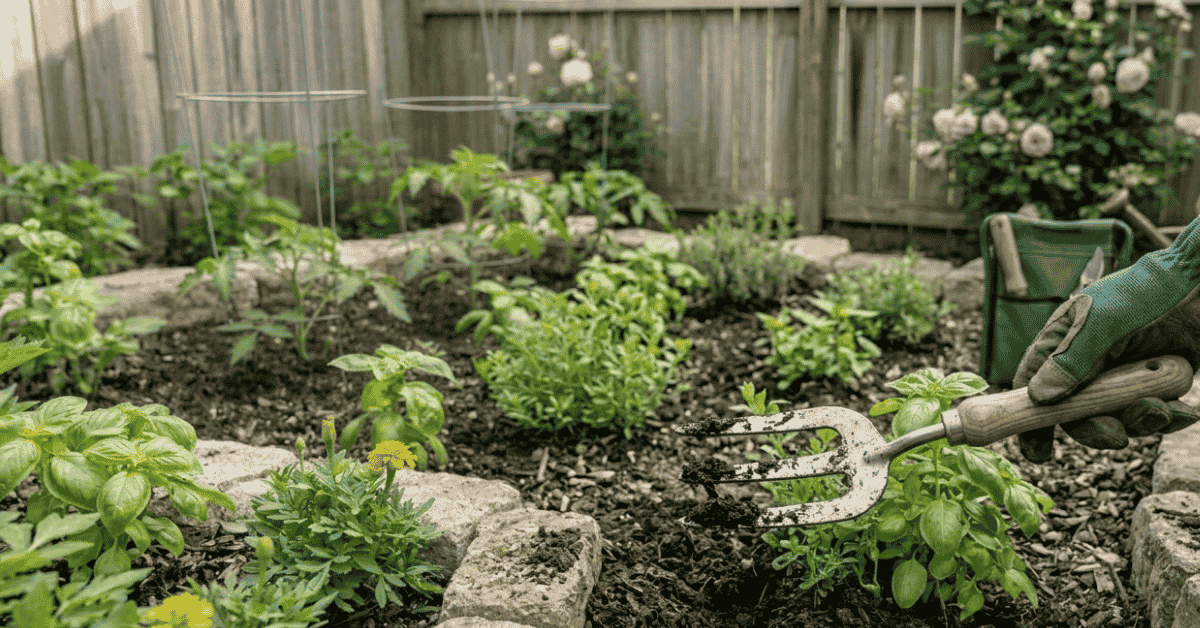
It fits in my hand just right. It lets me get into tight spots without wrecking my other plants. I use it for everything from breaking up tough soil to gently lifting seedlings.
It’s become my go-to tool, honestly.
What Makes a Small Gardening Fork Different?
A small gardening fork isn’t just a mini version of its big brother. It’s designed for specific tasks. Think precision.
Think ease of use.
Size Matters Here
The most obvious difference is its size. A small gardening fork usually has tines that are shorter and closer together. This isn’t by accident.
It means it’s perfect for working in smaller spaces. Think window boxes. Think raised beds.
Think around delicate plants. You won’t accidentally stab something important. The overall weight is much less, too.
This means less strain on your arms and wrists. I remember one sweltering afternoon trying to transplant tiny petunias. My big fork was just too much.
The small one let me carefully loosen the soil around each root ball. It felt like I was using tweezers, but way stronger.
Tine Design and Purpose
The tines on a small gardening fork are usually a bit more pointed than on larger forks. This helps them pierce soil more easily. They are also sturdy.
They can handle compacted dirt. But they’re not so thick that they damage delicate roots. I’ve found they’re great for aerating the soil in pots too.
Just a few gentle plunges can make a big difference for plant health. It’s like giving your soil a little massage. This helps water and nutrients get to the roots where they need to be.
Material and Durability
Most small gardening forks are made from metal. Stainless steel is common. It doesn’t rust easily.
That’s a big plus for me. I’m not always the best at drying my tools off perfectly. Some have wooden handles.
Others have ergonomic grips made of plastic. I personally like a sturdy wooden handle. It feels good in my hand.
It’s also a natural material. But a comfortable grip is key. You’ll be holding this tool a lot.
Ensure it feels right for you. My current favorite has a nice, smooth ash wood handle. It’s perfectly weighted.
Top Uses for Your Little Digging Dynamo
Don’t let its size fool you. This little tool is surprisingly versatile. I use mine for so much more than just digging.
Perfect for Planting Small Things
This is where the small fork truly shines. Planting seeds? Transplanting seedlings?
Adding bulbs? It’s your best friend. You can carefully dig small holes without disturbing the soil too much.
The tines help you gently loosen the earth. This makes it easier for new roots to spread. I’ve used it to plant daffodil bulbs in tight flower beds.
I just pushed the tines in, wiggled it a bit, dropped the bulb, and filled the hole. So much easier than using a trowel for me.
Loosening Soil in Tight Spots
Got a garden bed packed with plants? Trying to improve the soil without digging everything up? The small fork is your answer.
Gently push the tines into the soil between plants. Wiggle it back and forth. This breaks up any compacted areas.
It lets air and water penetrate. It’s like a gentle wake-up call for your soil. I do this around my tomato plants late in the season.
It helps them keep producing. It’s a far gentler approach than I could manage with a larger fork.
Weeding with Precision
Pulling weeds can be a battle. Sometimes they have deep taproots. The strong, pointed tines of a small fork are excellent for getting under those stubborn weeds.
You can lever them out with minimal damage to your desired plants. For dandelions or thistle, I just slide the fork beneath the root. Give it a gentle lift.
Most of the time, the whole root comes out. This stops them from growing back so quickly. It’s much cleaner than just yanking.
Aerating Pots and Containers
Potted plants can get root-bound. The soil can become dense and hard to water. A small gardening fork is perfect for aerating the soil in pots.
Just insert the tines a few inches down. Gently twist the handle. You’re creating small channels for air and water.
This is a quick task but makes a huge difference. My herbs in their pots always seem happier after a little fork aeration. It also helps drainage.
No more soggy soil at the bottom.
Gentle Soil Cultivation
Sometimes you just need to break up the very top layer of soil. Maybe after a heavy rain or to prepare for a light top-dressing of compost. The small fork can do this without churning up the soil too deeply.
It’s a delicate touch. It disturbs fewer beneficial soil organisms. It’s less work than a big fork and keeps the soil structure intact.
Comparing Small Gardening Forks: What to Look For
Not all small gardening forks are created equal. Here’s a quick look at what matters when you’re choosing one.
| Feature | What it Means for You | Best For |
|---|---|---|
| Tine Count | More tines mean finer soil work. Fewer tines are good for tougher jobs. | 3-4 tines: Ideal for general tasks and pots. |
| Handle Style | Wood: Classic feel. Plastic/Ergonomic: Better grip, might be lighter. | Choose what feels comfortable and secure in your hand. |
| Material | Stainless steel resists rust. Carbon steel is strong but needs care. | Stainless steel is generally more low-maintenance. |
| Overall Size | Look at the length and width. Make sure it fits your hand and workspace. | Measure your typical planting areas and storage space. |
| Weight | Lighter is better for reducing fatigue. | Aim for a tool you can use for a long time without tiring. |
I once bought a cheap, no-name small fork. The handle broke after a few uses. The tines bent when I tried to dig into slightly hard soil.
It was frustrating. Invest a little more. You’ll thank yourself later.
My current one is a quality tool. It’s a joy to use. It feels solid.
It does exactly what I need it to, every single time.
Maintaining Your Small Tool Treasure
These small tools are built to last. But a little care goes a long way. It keeps them working their best for you year after year.
Cleaning is Key
After every use, brush off any loose dirt. A stiff brush works well. If you’ve dug in sticky clay, you might need to rinse it with a hose.
Make sure to dry it off thoroughly, especially if it’s not stainless steel. Water left on metal can lead to rust. I usually give mine a quick wipe with an old rag.
It takes maybe thirty seconds.
Storing It Right
Keep your small gardening fork somewhere dry. A shed or garage is ideal. Avoid leaving it out in the rain.
If your tool has a metal shaft, putting a light coat of oil on it periodically can protect against rust. Some people use a bit of WD-40 or a general-purpose oil. This is especially important if you live in a humid climate.
Sharpening the Tines (Occasionally)
Over time, the tines might get a bit dull from use. You can use a metal file to gently sharpen them. Just file along the edges of each tine.
Be careful not to remove too much material. You’re just looking for a slightly sharper edge. This helps them slice through soil more easily.
It’s not something you’ll need to do often, maybe once a year.
Are Small Gardening Forks Worth the Investment?
For me, absolutely yes. They are affordable. They are incredibly useful.
They make gardening tasks easier. They reduce strain on your body. If you have a small garden, a balcony, or just like to work with potted plants, you really can’t go wrong.
They’re not just another garden gadget; they’re a practical solution to common gardening frustrations. I’ve found that having the right tool, even a small one, makes a huge difference in how much I enjoy my time outdoors. It turns chores into something much more pleasant.
FAQ
How is a small gardening fork different from a regular hand trowel?
A trowel is for scooping and digging holes. A small fork is for loosening soil, aerating, and gently prying. Learn more about trowels.
Can I use a small gardening fork for heavy-duty soil turning?
No, its size and design are for lighter, more precise tasks. Heavy work needs bigger tools. Discover other gardening tools.
Is a stainless steel small gardening fork better than carbon steel?
Stainless steel resists rust better, making it low maintenance. Carbon steel is strong but needs oiling to prevent rust. Explore tool materials.
How often should I clean my small gardening fork?
Clean it after each use by brushing off dirt. Rinse and dry if soil is sticky or if it’s not stainless steel. Learn about tool care.
Where is the best place to store my small gardening fork?
Store it in a dry location, like a shed or garage, to prevent rust and damage. Find tool storage solutions.