Want a greener thumb with less strain? Discover the secrets to amazing pole gardening. From tiny balconies to sprawling yards, this method transforms your space.
Let me show you how I do it.
What Exactly Is Pole Gardening?
I remember the first time I heard “pole gardening.” Honestly, it sounded a bit odd. My initial thought was, “Are we talking about, like, actual poles?” Turns out, yes, we are! Pole gardening is simply a way to grow vining plants vertically.
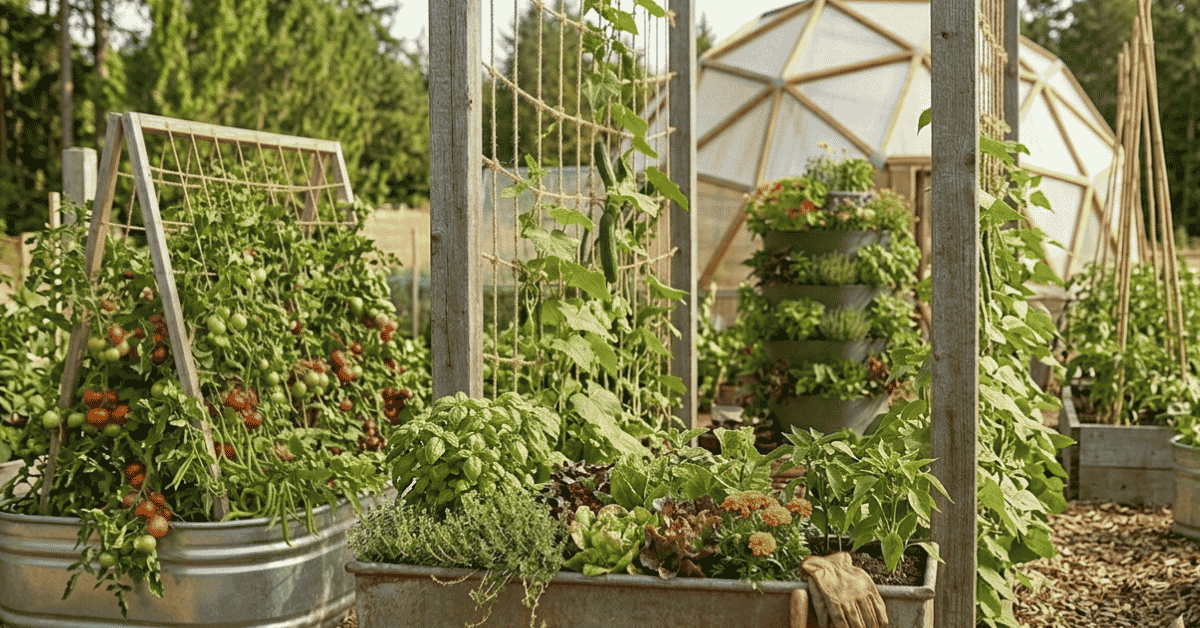
Instead of letting plants sprawl all over the ground, you give them something tall to climb on. Think of it as giving your peas and beans a beautiful place to hang out. It’s a fantastic way to save space and make your garden look super neat.
I started with a few tomato cages and a dream, and now my whole backyard feels more productive.
Why I Love Growing Upwards
For me, seeing plants reach for the sky is just… satisfying. It’s like cheering them on. There are so many real benefits to this method that I’ve come to appreciate dearly.
My back certainly thanks me!
- Space Saver: This is the big one, right? If you have a small yard like mine, or even just a little balcony, pole gardening is a game-changer. You can grow so much more in a tiny footprint. I used to cram plants everywhere. Now, they just go up.
- Better Airflow: When plants grow vertically, they get way more air around them. This helps prevent diseases like powdery mildew. I’ve noticed a huge difference in my cucumber yields since I started using poles. Less fuss, more fruit!
- Easier Harvesting: No more bending down and getting dirt all over you. The fruits and vegetables are right there at eye level. It makes picking my beans and peppers a breeze. Seriously, it’s a joy.
- Healthier Plants: Less soil contact means fewer pests and diseases. The plants aren’t sitting in damp soil. They tend to be stronger and produce more. It’s pretty amazing to watch.
- Aesthetic Appeal: Let’s be honest, a garden with plants climbing gracefully is beautiful. It adds height and structure. My neighbors always comment on how lovely my pea trellises look. It makes my little plot feel more like a proper garden.
My First Pole Gardening Fails (And What I Learned)
So, it wasn’t all sunshine and climbing roses from day one. My first attempt with some flimsy wooden stakes… well, they bent. My big, beautiful cucumbers ended up draped on the ground anyway.
And don’t even get me started on the time a strong wind took down my entire bean structure. It was a mess. Those moments taught me that the type of pole matters.
You need sturdy stuff. Sometimes, a bamboo pole just won’t cut it for heavier vining plants. I also learned that anchoring them well is key.
A little bit of extra effort upfront saves a lot of heartache later. This simple gardening trick saved my plot from disaster, and I learned that choosing the right support is crucial.
Choosing Your Pole Powerhouse
The kind of support you choose makes all the difference. It has to hold up your plants, especially when they’re loaded with fruit. I’ve tried a bunch, and some are definitely better than others for different things.
Sturdy Staples: The Best Pole Options
Here are the real workhorses I rely on:
- Metal Poles: These are fantastic. You can get them at garden centers. They’re usually made of steel, often coated in plastic or vinyl. They’re super strong and last for years. My tomato obelisks are metal, and they’ve held up through thick and thin.
- Heavy-Duty Bamboo: Not all bamboo is created equal. Big, thick bamboo poles are great for lighter vining plants like peas or some types of beans. Make sure they’re seasoned, or they might rot too quickly. I love using bundles of bamboo stakes for my sweet peas; it gives them a natural, rustic look. My simple bamboo stakes saved my plot!
- Treated Wood Posts: For really heavy plants like large melons or squash, you might need something more substantial. Thick, treated wood posts sunk deep into the ground can work. You might need to attach netting or guide wires to them.
- Cages and Trellises: These are specifically designed for vertical growth. Tomato cages are common, but you can also buy or build larger trellises for cucumbers, beans, or even larger squash. I’ve also had success building my own simple trellis frames from wood.
DIY vs. Store-Bought: What’s Right for You?
Honestly, it depends on your budget and your DIY skills.
- Store-bought: These are convenient. You just pop them in the ground. Tomato cages, metal obelisks, and pre-made trellises are easy to find. They often look neat and tidy.
- DIY: This can be more rewarding and cost-effective. You can build custom trellises that fit your space perfectly. Using reclaimed materials can also be a great option. I once made a fantastic trellis out of old bed frames! It’s a bit more work, but I love the personal touch. My hidden dark secret: building my own supports changed my plot.
Here’s a quick look at some common choices:
| Support Type | Best For | Pros | Cons |
|---|---|---|---|
| Metal Poles | Tomatoes, Cucumbers, Beans, Peppers | Very strong, durable, rust-resistant | Can be expensive, might get hot |
| Thick Bamboo | Peas, Beans, Cucumbers (lighter varieties) | Natural look, relatively inexpensive | Can break, may rot, not for heavy plants |
| Wood Posts | Heavy squash, Melons, Large vining plants | Strong, sturdy, can be custom-made | Can rot if not treated, heavy |
| Tomato Cages | Tomatoes, Small Peppers | Easy to use, widely available | Can be flimsy, not enough support for large plants |
| Trellises | Cucumbers, Beans, Peas, Flowering vines | Versatile, can be decorative | Stability varies, needs good anchoring |
Getting Your Plants to Climb
Once you have your pole, you need to get your plants growing up it. This is where the real magic happens.
Picking the Right Plants
Not every plant is a natural climber. You want plants that have tendrils or have a natural vining habit. Some of my favorites include:
- Vining Tomatoes: Sure, you can get bush tomatoes, but vining types (often called indeterminate) are perfect for poles. They grow and produce all season long.
- Cucumbers: Most cucumber varieties are natural climbers. They’ll happily wrap their tendrils around anything they can find.
- Pole Beans: This is what pole gardening is famous for! They grow tall and produce a ton of beans.
- Peas: Sweet peas for flowers, or edible peas, both love to climb.
- Melons and Squash: Believe it or not, many varieties of melons and squash can be grown vertically, but you need very strong supports and often need to support the fruit itself.
- Flowering Vines: Morning glories, clematis, and passionflowers look stunning climbing a pole or trellis.
Setting Up Your System
The most crucial part is putting your support in place.
- Choose the Spot: Pick a sunny location. Most vining plants need at least 6-8 hours of sun a day.
- Install Your Poles: Sink your poles or stakes firmly into the ground. I like to go at least a foot deep. For larger plants, you might need to dig a hole and set them in concrete for ultimate stability. Make sure they are plumb (straight up and down).
- Planting Nearby: Plant your seeds or seedlings a few inches away from the pole. This gives the roots space to grow.
- Training Your Plants: This is where you give them a little encouragement. As your plants start to grow, gently guide the young vines towards the pole. You can tie them loosely with garden twine or soft fabric strips if needed. Don’t tie too tightly; you don’t want to strangle the stem. They’ll soon start to attach themselves. For peas and beans, it’s often just a matter of showing them where to go initially. For tomatoes, you’ll need to tie them up periodically.
Supporting Heavy Fruit
When you’re growing heavy things like melons or large squash, you have to be careful. The weight can break the vine or even pull down your entire support.
- Netting or Sling: You can create a sling for the fruit using old stockings, netting, or fabric strips. Tie this sling around the melon or squash and then tie the ends of the sling securely to the main vine or pole. This takes the weight off the stem.
- Stronger Supports: Ensure your primary pole or trellis is super robust for these heavier fruits. This hidden dark secret: using strong supports for heavy crops makes a huge difference.
Maintaining Your Vertical Garden
Pole gardening isn’t just about setting it up and forgetting it. A little care goes a long way.
Watering and Feeding
Vertical plants can dry out faster because they’re exposed to more wind and sun.
- Deep Watering: Water deeply at the base of the plant. Avoid overhead watering, which can encourage disease.
- Regular Feeding: Vining plants are heavy feeders. Use a balanced organic fertilizer regularly, especially once they start flowering and fruiting. Compost tea is great too.
Dealing with Pests and Problems
Because pole-grown plants have better airflow and less soil contact, they often have fewer pest problems. However, keep an eye out.
- Aphids: These small bugs can cluster on new growth. A strong spray of water can often dislodge them. If it’s bad, insecticidal soap can help.
- Powdery Mildew: Good airflow is your best defense. If you see it, you can try a baking soda spray (1 tablespoon baking soda, 1 tablespoon vegetable oil, 1 teaspoon liquid soap in a gallon of water).
Pruning and Training
Don’t be afraid to occasionally prune off excess foliage, especially if it’s shading the fruit or getting too dense. Keep training those vines upwards! This real joy demands that we tend to our plants, and regular checks ensure they thrive.
My simple bamboo stakes saved my plot by allowing me to manage growth easily.
Frequently Asked Questions About Pole Gardening
Is pole gardening good for beginners?
Yes, it’s a fantastic way for beginners to garden. It’s rewarding and teaches good plant training skills. Learn more about beginner gardening tips.
What’s the best pole material for heavy plants?
For heavy plants like large squash or melons, use sturdy metal poles or strong, thick wooden posts well-anchored in the ground.
How often should I water pole-grown plants?
Water deeply whenever the soil feels dry, which might be more frequent in hot, windy weather. Check the soil moisture regularly.
Can I grow flowers on poles?
Absolutely! Many flowering vines like clematis, morning glories, and jasmine thrive on poles and add beautiful color.
Do I need to tie my plants to the poles?
Initially, you might need to tie them gently to guide them. Many plants will then attach themselves with their tendrils.