
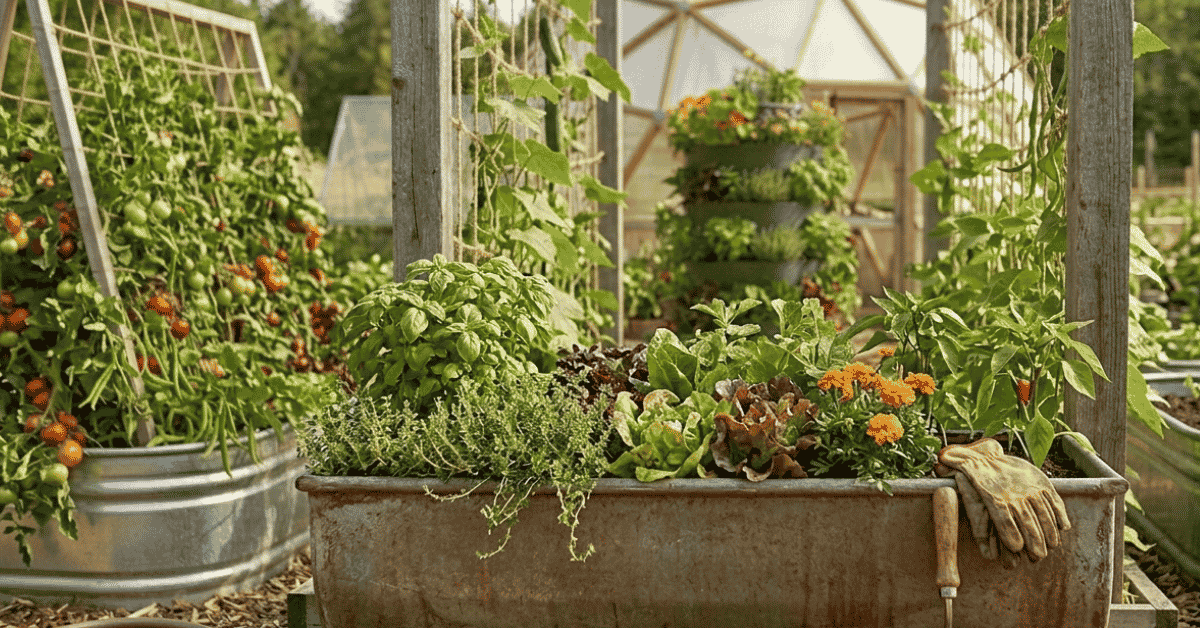
Trough gardening offers a unique, stylish way to grow plants. Discover its simple joys and easy setup for your garden. Get started today!
What Exactly is Trough Gardening?
I’ve gardened a lot of ways. Raised beds, containers, in the ground. But trough gardening?
That’s a whole different, wonderful beast. It’s using a long, shallow trough or planter to grow things. Think of it like a really long, narrow raised bed.
People often use old sinks, galvanized metal troughs, or purpose-built planters. They’re great for small spaces or even just adding a cool focal point. I remember seeing my first trough garden at a garden show.
It was packed with herbs, looking so neat and tidy. It immediately made me want one of my own. My little backyard felt so much bigger with that long, overflowing planter.
Why Embrace Trough Gardening for Your Garden?
So many reasons! It’s perfect if you have limited space. Maybe you live in an apartment with a balcony.
Or your backyard is small. Don’t have much space to dig? Trough gardening is your answer.
It’s also brilliant for accessibility. If bending low is tough, a trough garden is easier on your back. You can fill it with soil to a good height.
This means less strain. My Aunt Carol, bless her knees, switched to trough gardening a few years back. She says it’s the best thing she ever did for her love of growing.
She can tend her plants without any pain now.
Plus, soil control is amazing. You fill the trough with exactly the soil mix you want. No more fighting clay or sandy soil.
You know what you’re getting. This is super helpful for plants that need specific conditions. Think of delicate herbs or certain vegetables.
They get their perfect home. It’s like giving them a five-star hotel for their roots.
Troughs can also be moved, somewhat. If you have a portable trough, you can shift it to catch more sun. Or move it out of harsh weather.
This flexibility is a big plus for a lot of gardeners. It’s about adapting your garden to your life.
Super Styling Options
Beyond function, trough gardens look fantastic. They add a modern, chic vibe. Or you can go rustic and charming.
Old troughs have so much character. The long shape is visually striking. It can define a space beautifully.
I’ve seen them used to line paths. Or placed against a wall. They instantly elevate the look of any garden.
It’s not just about growing food or flowers; it’s about landscape design.
Getting Started with Your Trough Garden
Setting up a trough garden is pretty straightforward. It’s manageable, even for beginners.
Choosing Your Trough
This is the fun part! You have options.
- Galvanized Metal Troughs: These are popular. They have a modern, industrial look. They are usually durable. Just make sure they have drainage holes. If not, you’ll need to add some. Drilling can be a bit tricky depending on the metal thickness.
- Old Sinks: Reclaimed sinks are awesome. They’re often deep enough. They usually have a drain already! The ceramic or enamel can be beautiful. Check local salvage yards or flea markets.
- Purpose-Built Planters: Garden centers sell troughs specifically for planting. They come in various materials like metal, wood, or composite. These are ready to go but might lack the unique charm of a repurposed item.
- Wooden Troughs: These look warmer and more natural. You can build your own if you’re handy. Just ensure the wood is treated for outdoor use or rot-resistant. I built a simple wooden one last year. It felt great to create something with my own hands.
Drainage is Key!
This is non-negotiable. Your trough MUST have drainage holes. If it doesn’t, water will sit.
This leads to root rot. Plants hate soggy feet!
- Check existing holes: Most troughs meant for planting have them.
- Drill your own: If yours lacks holes, grab a drill and a suitable bit. Wear safety glasses! A few holes spaced along the bottom are usually enough. Aim for about half an inch to an inch in diameter.
Location, Location, Location
Think about what you want to grow. Most vegetables and many flowers need at least 6-8 hours of sunlight daily. Herbs can often tolerate a bit less.
- Sunlight: Pick a spot that gets enough sun for your chosen plants. Observe your garden throughout the day.
- Protection: Shield it from strong winds if possible. Wind can dry out plants quickly. It can also damage delicate ones.
- Accessibility: Make sure you can reach the trough easily for watering, weeding, and harvesting.
Filling Your Trough
This is where you create the perfect growing medium. Don’t just use dirt from your yard. It often compacts too much.
Here’s a good mix I use:
- 3 parts good quality potting mix: This provides a light, airy base.
- 2 parts compost: This adds vital nutrients and improves soil structure. It’s like feeding your plants a gourmet meal.
- 1 part perlite or vermiculite: This helps with drainage and aeration. Perlite looks like small white pebbles. Vermiculite is a shiny, flaky material. Both are great for keeping the soil from getting too dense.
Mix it all thoroughly. You want an even blend. Fill the trough, leaving an inch or two at the top.
This stops soil from washing out when you water.
What to Plant in Your Trough Garden
Trough gardens are surprisingly versatile. You can grow a lot in them! Their shallow depth limits very deep-rooted plants, but that’s about it.
Perfect Planting Partners
For a long, narrow trough, think about planting in layers or groups.
- Herbs: This is my absolute favorite for troughs. Basil, mint, chives, parsley, thyme, oregano, rosemary. They thrive. They’re easy to harvest. Plus, the scent is amazing when you’re working nearby. I have a trough dedicated to herbs near my kitchen door. It’s so convenient to snip what I need for cooking. Some herbs can spread, like mint. So consider planting it on its own or in a pot sunk into the trough.
- Leafy Greens: Lettuce, spinach, arugula, kale, Swiss chard. These grow fast and don’t need deep soil. You can harvest the outer leaves and let them keep growing. Succession planting works wonders here. I sow a new row of lettuce every few weeks. That way, I have a steady supply.
- Root Vegetables (Smaller Varieties): Radishes, carrots (shorter varieties like ‘Paris Market’ or ‘Nantes’), beets. They appreciate the loose soil. Just ensure your trough is deep enough for the specific variety.
- Strawberries: These look beautiful trailing over the sides. They enjoy good drainage, which troughs provide.
- Small Flowers: Pansies, petunias, marigolds, lobelia. They add color and attract pollinators. Many annual flowers do wonderfully.
- Edible Flowers: Nasturtiums, borage, calendula. They bring beauty and a culinary element. Nasturtiums trailing over the edge are stunning.
Companion Planting in Troughs
You can mix and match! Just be mindful of plant needs.
- Herbs with Vegetables: Basil with tomatoes (if you have a larger trough and support). Chives with carrots. Parsley with lettuce. This can help deter pests and improve growth.
- Flowers with Vegetables: Marigolds can deter nematodes. Nasturtiums can act as a trap crop for aphids.
Here’s a quick look at what works well together in a standard-sized trough garden:
| Category | Good Plant Choices | Why They Work Well |
|---|---|---|
| Herbs | Basil, Parsley, Chives, Thyme, Oregano, Rosemary | Shallow roots, frequent harvesting, good drainage needs |
| Leafy Greens | Lettuce, Spinach, Arugula, Kale | Quick growth, cut-and-come-again harvesting, shallow root systems |
| Small Roots | Radishes, Short Carrots, Beets | Prefer loose, well-draining soil, can grow in moderate depth |
| Berries | Strawberries | Trailing habit looks great, requires good drainage |
| Flowers | Marigolds, Pansies, Petunias, Lobelia, Alyssum | Add color, attract pollinators, most have shallow root systems |
| Edible Flowers | Nasturtiums, Borage, Calendula | Add beauty and culinary use, often trailing or bush forms work well |
Caring for Your Trough Garden
Maintenance is simple. It’s less work than a traditional garden plot, really.
Watering
This is crucial. Troughs dry out faster than in-ground beds.
- Check moisture daily: Stick your finger about an inch into the soil. If it feels dry, it’s time to water.
- Water deeply: Soak the trough until water drains from the bottom holes. This encourages roots to grow deeper.
- Water the soil, not the leaves: This helps prevent fungal diseases. Early morning is the best time to water.
Feeding
Your potting mix has nutrients, but plants are hungry!
- Liquid fertilizer: Use a balanced liquid fertilizer every 2-4 weeks during the growing season. Dilute it according to the package.
- Compost top-up: Add a fresh layer of compost in spring. This gives plants a slow-release boost.
Weeding
Weeds are less of a problem in troughs because you start with clean soil. But they do pop up.
- Pull them when small: It’s much easier. Get the whole root out.
- Mulch: A thin layer of mulch can help suppress weeds. It also keeps the soil moist. Use straw, wood chips (small ones), or shredded leaves.
Pest and Disease Control
Keep an eye out for problems. Healthy plants are less susceptible.
- Good airflow: Don’t overcrowd your plants. This helps prevent diseases.
- Inspect regularly: Look under leaves for pests.
- Handpick pests: Small infestations can often be dealt with by hand.
- Natural predators: Encourage ladybugs and lacewings. They eat aphids.
- Organic sprays: If needed, use insecticidal soap or neem oil. Always follow product instructions.
Troubleshooting Common Trough Garden Issues
Even with the best intentions, things can go awry. Understanding common problems helps you fix them fast. This saved my potato crop last year when blight hit.
It’s always about quick action.
Plants Wilting
- Too dry: Check the soil moisture. Water thoroughly if needed.
- Too wet: If the soil is soggy, drainage might be poor. Ensure holes aren’t blocked. You might need to repot if it’s severe.
- Heat stress: Plants can wilt in extreme heat, even if watered. Provide shade during the hottest part of the day.
Yellowing Leaves
- Lack of nutrients: Time for fertilizer or compost.
- Overwatering: Roots can’t breathe. Let the soil dry out.
- Underwatering: Soil is too dry. Water deeply.
Slow Growth
- Not enough sun: Consider transplanting to a sunnier spot if possible.
- Poor soil nutrition: Feed your plants.
- Overcrowding: Give plants more space for better growth. My first basil plant was sad because I crammed too many seeds in.
Pests
- Aphids: Small, green or black insects. Often found on new growth. Blast them off with water or use insecticidal soap. Using simple bamboo stakes to support taller plants can also help improve airflow and reduce pest hiding spots.
Frequently Asked Questions about Trough Gardening
What are the best plants for a small trough garden?
Herbs like basil and chives, leafy greens such as lettuce and spinach, and small flowers like pansies thrive in shallow troughs. Learn more about…
How deep should a trough garden be?
A depth of 6 to 8 inches is sufficient for most herbs and greens. Deeper troughs allow for small root vegetables. Learn more about…
Can I grow tomatoes in a trough garden?
Yes, but choose compact or determinate varieties. Provide support for the plant and ensure the trough is large and deep enough. Learn more about…
How often should I water a trough garden?
Check soil moisture daily. Water deeply when the top inch feels dry, which might be daily in hot weather. Learn more about…
Is trough gardening good for beginners?
Absolutely! Trough gardening is easy to set up and manage, making it ideal for novice gardeners. This simple garden hack saved my plot.
Learn more about…