
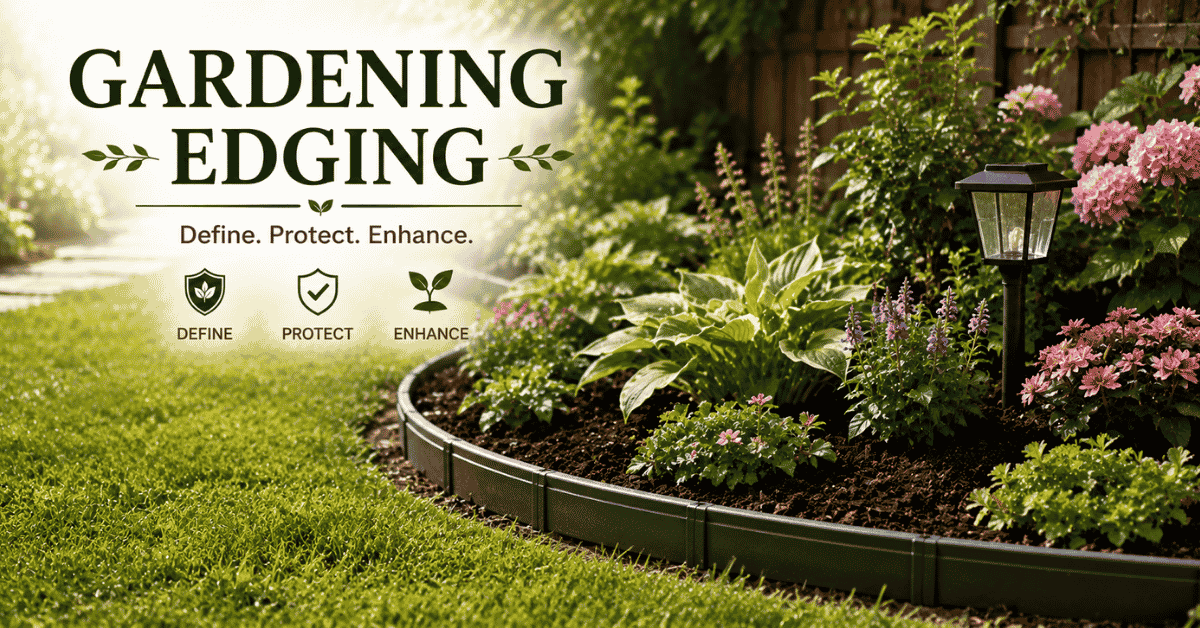
Buy a strong gardening edging kit to trim your yard borders fast. Read my review to fix lawn lines, stop grass weeds, and design a stunning garden today!
I stood in my backyard last Thursday under a hot sun. My neat lawn grass had crawled deep into my vegetable beds. The messy roots choked out my sweet pepper plants and small herbs. That frustrating morning forced me to find a permanent, crisp border fix. I tried several styles and found a solid option that truly works. Now, I will guide you through the process so you can get clean lines.
Is Installing Gardening Edging Worth the Extra Effort?
Yes, because it stops invasive lawn grass from stealing food and water from your prize crops. If you skip this step, you will spend your whole weekend pulling tough weeds by hand.
When I built my first raised plot, I thought a simple dirt trench would be enough. But the first heavy summer rain washed my nice mulch straight onto the green lawn. It looked ugly, and my mower blades kept hitting stray rocks and mud. Putting down a solid, firm border rail changed my entire backyard layout for the better. It holds the dark soil in place and gives the whole yard a clean look. You do not need a lot of cash or heavy tools to make it happen either.
Choosing the Best Border Styles for Home Yards
Different spaces need different types of materials to hold back the creeping lawn. You must pick a style that matches your local soil and your personal taste.
Flexible Heavy Duty Plastic Coils
This is the easiest option for beginner growers who want to build curved paths. I use a thick five-inch plastic strip around my central flower beds.
-
It bends smoothly without cracking or snapping in the cold.
-
You can cut it down to any size with basic kitchen shears.
-
The dark color blends right into the rich compost and mulch.
Solid Landscape Timber and Wood Planks
If you love straight lines and a rustic farm look, real wood is a great pick. I use thick cedar logs to frame my main sweet potato rows.
Decorative Brick and Stone Blocks
Stone borders cost more but add a beautiful look to a front yard space. They are incredibly heavy and stay put even during severe autumn storms.
Laying Down Your Borders Without the Stress
You do not need to hire a costly team to get perfectly straight lines. A few simple tricks will help you do a neat job in a single afternoon.
Snapping a Guide Line with String
Never try to dig your border trench by just guessing the path with your eyes. I learned this when my first row turned out wavy and crooked.
-
Drive two small wooden stakes into the ground at each end.
-
Tie a bright nylon string tight between the two wood posts.
-
Follow the straight line with your hand trowel as you dig.
Clearing Out the Turf and Rocks
Dig a narrow trench about four inches deep along your string guide line. Use a sharp spade to slice through the tough grass roots cleanly.
Comparing the Best Border Options for Lawns
Simple Daily Care for Crisp Backyard Borders
A clean lawn line requires a small amount of regular upkeep to look its absolute best. I check my borders every Saturday morning before the sun gets too hot.
Trimming the Grass Edges Clean
Lawn grass will try to climb over low barriers as the summer days get warm. I use a light pair of hand shears to snip back any stray green blades. This takes just five minutes but keeps the border line looking sharp and neat.
Clearing Out Fallen Leaves and Debris
Wind will blow old twigs and dry leaves into the corners of your new dividers. I grab a small broom and sweep out the tracks once a week. This keeps the plastic or stone from getting buried under wet, decaying plant matter.
Eight Border Blunders I Wish I Had Avoided
Buying Cheap Thin Plastic Strips
Super thin plastic will warp, buckle, and pop out of the ground after one hot summer. I bought a low-price pack that split into sharp pieces when my mower hit it. Spend a little more on thick, professional grade coils that handle rough impacts.
Setting the Barrier Too High Above Ground
If your border sticks up three inches, your lawn mower cannot glide over it safely. I chipped my favorite mower blade on a piece of high wood framing last May. Keep the top rim just a half inch above the level of your lawn turf.
Forgetting to Use Enough Anchor Stakes
High winter frosts can push loose plastic borders right out of the damp clay soil. You must drive a long metal pin through the sleeve every three feet to hold it down. Tap them deep into the dirt with a heavy rubber mallet.
Digging a Trench That Is Too Shallow
If you only push your barrier an inch into the mud, grass roots will grow right under it. My first attempt failed because the lawn wire did not go deep enough to block the weeds. Aim for at least four inches of depth to stop sneaky root networks.
Using Untreated Wood Near Wet Veggie Beds
Cheap pine planks will rot and grow white mold within a single rainy season. The soft wood also invites hungry termites right next to your home foundation. Always select real cedar or wood labeled safe for ground contact.
Hitting Real Stone Blocks with Your Weed Trimmer
Plastic trimmer line will snap instantly if you spin it against a hard rock border. I went through a whole roll of line before I learned to be careful around stones. Keep a safe distance and trim the last inch with hand shears instead.
Leaving Wide Gaps Between Individual Bricks
If you leave spaces between your border stones, small weeds will sprout in the cracks. I had to spend hours clearing out clover that grew between my layout blocks. Pack the bricks tight against each other and fill the gaps with clean sand.
Installing Borders in Soaking Wet Mud
Trying to set a straight line while working in sticky wet clay is a total nightmare. The mud fills the trench back up before you can slide the plastic layer in place. Wait for three dry days so the soil crumbles easily in your palm.
FAQs
What is the easiest gardening edging to install for a beginner? Thick plastic coil strips are the simplest and fastest choice for new growers. They bend easily and do not require heavy cutting tools. Learn more about simple borders.
How deep should I dig the trench for my yard border? Aim to dig down four to five inches into the dirt before placing your barrier. This depth stops lawn roots from creeping underneath. Learn more about trench depth.
Will metal lawn borders rust over time in wet weather? Most metal options use thick zinc coatings or real steel that resists common rust for decades. They stay clean and look great for years. Learn more about metal rails.
Can I use old bricks from a home build as a border? Yes, old building bricks work beautifully as a cheap, heavy barrier for your vegetable rows. Just pack them tight to stop weeds. Learn more about brick setups.
How do I stop my lawn mower from breaking my plastic borders? Set the top edge of the plastic barrier almost flush with the top of your soil layer. This lets the wheels pass over safely. Learn more about mower safety.