Pacific Northwest Gardening: My 5 Secrets Revealed!
It’s a damp, cool morning here in Seattle, perfect for thinking about what I’ll grow next. If you’re dreaming of a lush garden in the Pacific Northwest, this guide is for you. I’ll share my best tips for success, from picking the right plants to dealing with our unique weather.
Let’s get growing!
What’s So Special About Gardening in the Pacific Northwest?
This region is pretty amazing for gardeners. We get mild winters and a good amount of rain. That means lots of plants can thrive here.
But it also means some challenges, like slugs and that endless grey sky sometimes. It’s a delicate balance, but totally worth it. I’ve gardened here for years, and I’ve learned a few things along the way.
It’s not like gardening in the desert or the deep South. Our conditions are really distinct. That’s why knowing your climate is key.
Picking Your Perfect Plants for PNW Gardens
Choosing the right plants for our area is maybe the most important step. I always ask myself: Will this plant happy here? Does it like a bit of shade?
Does it need super well-draining soil? Our damp climate means some plants can get root rot. Others might just not get enough sun.
Native Plants are Your Friends
I’ve found that native plants are often the easiest to care for. They’re already adapted to our weather. Think of things like salal, sword ferns, or red flowering currant.
They don’t need much fuss. Plus, they support local wildlife, which is a huge plus for me. It feels good knowing my garden helps the ecosystem.
Veggies That Love Our Cool Climate
For food lovers, we have great options. Many leafy greens do brilliantly. Kale, spinach, and lettuce grow well, especially during our cooler seasons.
I love planting these in spring and fall. Root vegetables like carrots and radishes are also fantastic. They don’t mind our sometimes wet soil.
For a more in-depth look at growing edibles specifically, check out my raw guide to vegetable gardening. It covers a lot of our common PNW crops.
Flowers That Bloom in Our Gloom (and Sun!)
Don’t despair for sun-loving flowers! Many varieties do well with enough light. But for shadier spots, consider hydrangeas, fuchsias, or astilbes.
They add pops of color. I also adore rhododendrons and azaleas. They are practically made for this region.
Their spring blooms are just spectacular.
Soil: The Foundation of Your PNW Garden
I can’t stress this enough: good soil is vital. Our native soil can be heavy and clay-like. It holds too much water.
This is bad for most plant roots. I always amend my soil.
Improving Your Soil
Adding compost is my number one tip. I mix a generous amount into my garden beds. This improves drainage and adds nutrients.
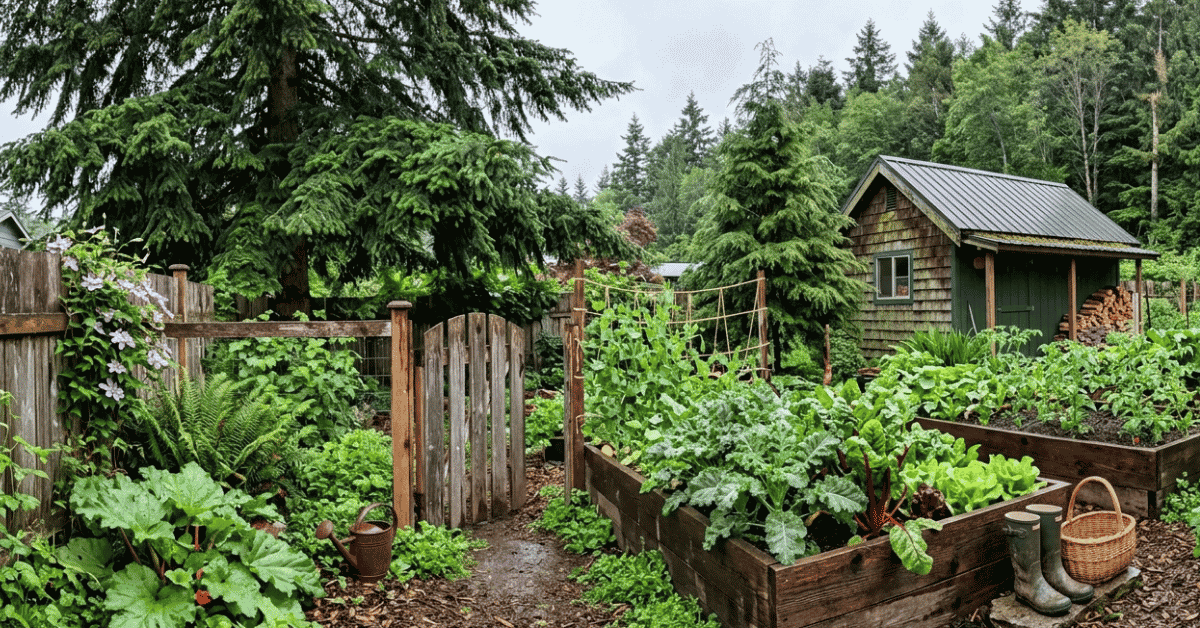
It makes the soil lighter and airier. Organic matter is pure gold for PNW gardens. I also consider raised beds.
They offer excellent drainage. They are a lifesaver for plants that hate wet feet. For a deeper dive into soil, my honest encyclopedia of gardening offers some great insights.
Soil pH Considerations
Most plants in our region prefer a slightly acidic to neutral soil pH. This is usually something we have naturally here but amending with compost can help balance it out. A soil test can tell you exactly what you need.
Knowing your pH helps you pick plants that will truly thrive.
Dealing with PNW Pests and Problems
Ah, pests. My least favorite part of gardening. But in the Pacific Northwest, there are a few common culprits.
The Dreaded Slug and Snail
These guys are everywhere here. They can decimate a tender seedling overnight. I’ve tried many methods.
Beer traps work reasonably well. I also use organic slug bait. Setting out copper tape around beds can deter them.
Hand-picking them at dawn or dusk is also effective, if a little gruesome. Don’t let them win!
Fungal Diseases in Damp Weather
Our humidity and rain can lead to fungal issues. Powdery mildew on plants like squash is common. Black spot on roses can be a nuisance.
Good air circulation is key. Space your plants properly. Avoid overhead watering whenever possible.
Water the base of the plant. Pruning out diseased parts promptly helps.
Other Critters
Deer can be a problem in some areas. Fencing or deer-resistant plants might be necessary. Voles can tunnel and eat roots.
Setting traps or using barriers can help. It’s a constant battle sometimes, but worth it.
Watering and Drainage: A Delicate Balance
This is the tricky part of PNW gardening. We get a lot of rain. But that doesn’t mean your garden never needs water.
When to Water
During our dry summer months, consistent watering is crucial. Check the soil moisture. Stick your finger about two inches down.
If it feels dry, it’s time to water. Water deeply. This encourages strong root growth.
Avoid frequent shallow watering.
Understanding Drainage
As I mentioned, drainage is critical. If your garden holds water for days after rain, you have a drainage problem. Raised beds are a great solution.
Planting on a slight slope can also help water run off. Incorporating organic matter like compost will also improve how fast water drains away.
Seasonal Gardening Tasks in the PNW
Gardening here follows a distinct rhythm.
Spring: Planting and Planning
Spring is when things really start happening. Early spring is great for peas, spinach, and lettuce. As the soil warms, you can plant potatoes, carrots, and onions.
I love planting my flower bulbs in the fall, but spring is for sowing seeds and transplanting seedlings. This is the time to get serious about planning your vegetable beds. My all-new square foot gardening success secrets article can shed some light here if you’re looking for structured planting methods.
Summer: Growing and Harvesting
Summer is all about growth and harvesting. Keep watering consistently, especially during dry spells. Watch for pests and diseases.
Enjoy the bounty! I love making salads with fresh greens and cooking with homegrown tomatoes. It’s the peak of the gardening season.
My ultimate encyclopedia of gardening covers a lot of these summer tasks.
Fall: Preparing for Winter
Fall is a rewarding time for harvest. You can continue planting some cool-season crops like kale and Brussels sprouts. It’s also time to prepare your garden for winter.
Clean up dead plant material. Add a layer of compost or mulch. This protects the soil and enriches it for next year.
I often plant cover crops in empty beds. They protect the soil and add nutrients.
Winter: Rest and Recharge
Winter is a time for rest. But it’s also a good time for planning. I review my garden journal.
I think about what worked and what didn’t. I sketch out new garden designs. It’s a quiet time, but essential for next year’s success.
For newcomers, my guide to gardening for beginners successfully is a must-read.
Here’s a quick look at how some popular PNW garden plants compare:
| Plant Type | Sunlight Needs | Water Needs (PNW Focused) | Soil Preference (PNW) | Common Pests/Issues |
|---|---|---|---|---|
| Kale | Full Sun to Part Shade | Moderate | Well-drained | Aphids, Cabbage Worms |
| Hostas | Part Shade to Shade | Moderate | Moist, well-drained | Slugs, Snails |
| Blueberries | Full Sun | Consistent Moisture | Acidic, well-drained | Birds, Overwatering |
| Rhododendrons | Part Shade | Moderate | Acidic, well-drained | Root Rot, Vine Weevils |
| Tomatoes | Full Sun | Consistent, deep | Well-drained, fertile | Blight, Blossom End Rot |
Final Thoughts on Your PNW Garden Journey
Gardening in the Pacific Northwest is a unique and rewarding experience. It requires understanding our specific climate. It means choosing the right plants.
It involves preparing your soil well. And yes, it means dealing with slugs! But with a little knowledge and patience, you can create a beautiful and bountiful garden right here.
It’s a journey I enjoy every single day.
What are the best vegetables for shady PNW gardens?
For shady spots, focus on leafy greens like spinach, lettuce, and kale. Root vegetables that don’t need intense sun also do well. Learn more about vegetable gardening.
How do I deal with heavy clay soil in my new PNW garden?
Improve heavy clay by adding lots of compost. Raised beds are also a fantastic solution for better drainage. Explore gardening for beginners.
Are native plants really easier to grow in the Pacific Northwest?
Yes, native plants are ideally suited to our climate. They often require less water and are naturally resistant to local pests. Discover more in my gardening review.
What is the biggest pest problem in the Pacific Northwest?
Slugs and snails are by far the most common and persistent pest problem for PNW gardeners. Learn more about pest control.
When is the best time to plant tomatoes in Western Washington?
Plant tomatoes after the last frost, typically in late May or early June, ensuring they get plenty of sun. My best all-new gardening book review has tips.