
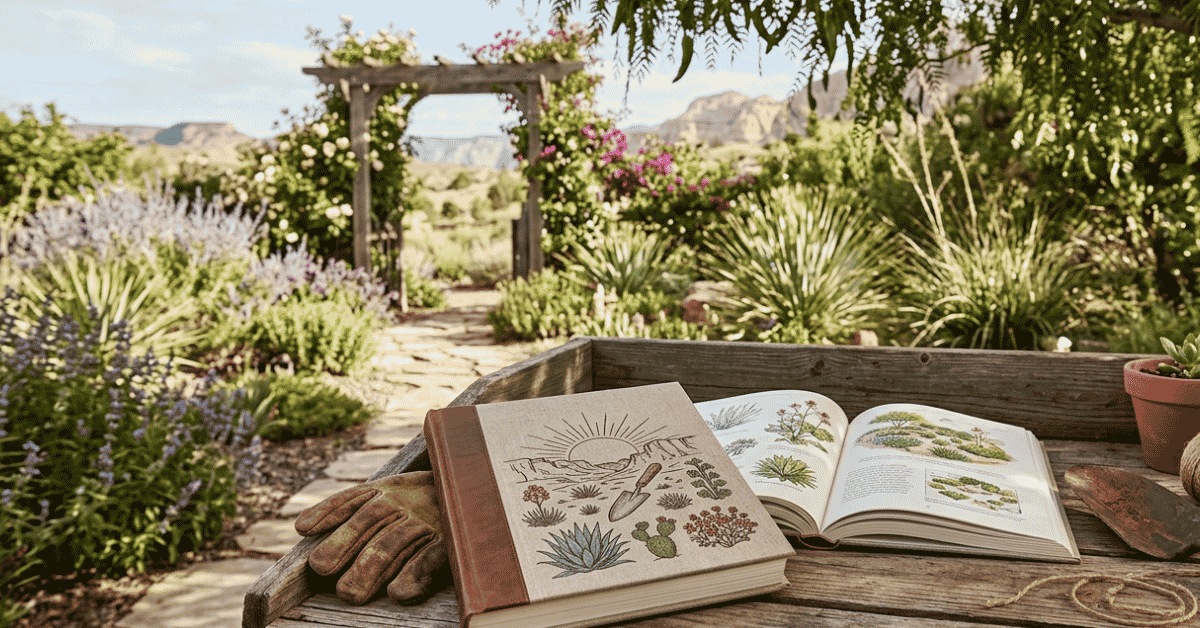
Discover the secrets to a thriving garden in arid lands! This guide unveils the best western gardening books. You’ll find proven tips for success.
Get ready for your most beautiful garden yet.
What Makes a Great Western Gardening Book?
I’ve spent years wrestling with my dry, sunny garden. I’ve tried planting things that just wouldn’t grow. It felt like a constant battle against the sun and lack of water.
Then, I started finding the right books. They changed everything for me. A good western gardening book is more than just pretty pictures.
It’s a lifeline. It understands your specific challenges. It offers real, working solutions for our unique climate.
It speaks to the realities of gardening where water is precious. It guides you to plants that love the sun. It shows you how to manage soil that dries out fast.
It’s the difference between a wilting heap of dirt and a vibrant, productive space. I look for books that feel honest. They don’t shy away from the tough stuff.
They celebrate successes but also prepare you for what might go wrong.
Understanding Your Dry Climate
Our climate out west is a special beast. It’s beautiful, but it demands respect. Summers can be scorching.
Winters can be surprisingly cold. And rain? Well, sometimes it feels like a distant memory.
This is why a specialized western gardening book is crucial. It’s not just about watering more. It’s about working with the climate, not against it.
These books teach you about xeriscaping. That’s a fancy word for smart, water-wise landscaping. They’ll explain which plants thrive with minimal water.
Think succulents, native wildflowers, and tough shrubs. They also cover soil. Our soil can be sandy, rocky, or heavy clay.
Good books tell you how to amend it. They show how to improve drainage. They also teach you how to keep moisture in the soil.
Mulching is a huge topic. Organic mulches like wood chips or straw are gold. They shade the soil.
They reduce evaporation. They also add nutrients as they break down. I learned that a thick layer of mulch is my best friend in July.
It’s not just about saving water; it’s about creating a healthier ecosystem for your plants.
Key Features to Look For
When I pick up a western gardening book, I’m scanning for specific things. First, author credibility. Do they seem to have actual experience gardening in a similar climate?
Look for authors who live and garden in the West. Second, regional specificity. Does the book cover your state or region?
A book for Arizona might have different advice than one for the Pacific Northwest’s dry summers. Third, plant recommendations. Are the suggested plants suitable for our intense sun and low humidity?
Look for lists of drought-tolerant perennials, shrubs, and trees. Fourth, practical advice. Does it cover soil improvement, water conservation techniques, and pest management relevant to our environment?
I like to see sections on designing with water in mind. This includes drip irrigation systems and rainwater harvesting. Books that show companion planting for water conservation are also fantastic.
My favorite books have clear, easy-to-follow diagrams and photos. They make the concepts easy to grasp. I also appreciate a good index.
It helps me find specific information quickly.
Choosing the Right Western Gardening Book for You
The sheer number of gardening books out there can be overwhelming. But for our region, the choices get a bit more focused. You want something that speaks directly to your patch of dirt.
Finding the perfect western gardening book is like finding the right tool for the job. With the right one, your gardening efforts become more fruitful, and frankly, a lot less frustrating.
Top Picks for Desert Dwellers
If you garden in the true desert, you need books that understand extreme heat and minimal rainfall. These guides usually focus on native plants. They emphasize water-wise design and very low-water needs.
You’ll find advice on selecting plants that can handle intense sun. They’ll cover how to create microclimates. This means finding sheltered spots for more sensitive plants.
They also discuss soil preparation for arid conditions. Think about adding compost to improve water retention. They often explain how to group plants with similar water needs.
This makes watering more efficient. I recall reading a fantastic section on creating a succulent garden. It showed how to arrange different textures and colors.
It made my yard feel like a desert oasis. These books are invaluable for anyone in the arid Southwest. They help you embrace the beauty of desert-adapted plants.
You can create a stunning garden that literally thrives on less.
Guides for High Altitude & Mountain Gardens
Gardening at higher elevations brings its own set of challenges. We’re talking about shorter growing seasons, colder nights, and sometimes intense UV radiation. A western gardening book for this area will focus on cold-hardy plants.
It will discuss frost protection. It will also cover how to deal with rocky or thin mountain soils. You’ll learn about plants that can handle the temperature swings.
Many of these books will feature perennials that bloom later in the season. This extends the visual interest of your garden. They might also discuss small fruits and vegetables that mature quickly.
I found a great book that explained how to build raised beds. This helped improve drainage and warm the soil faster. It was a game-changer for growing tomatoes at my elevation.
These guides help you create beauty even when the growing window is short. They show you how to harness the unique aspects of mountain living.
Coastal Western Gardening Considerations
Even along the coast, western gardening has its quirks. We might have fog and cooler temperatures. Wind can be a major factor.
Salty air can also stress plants. Books for this region will highlight plants that tolerate coastal conditions. This includes windbreaks and salt-tolerant species.
They’ll discuss managing soil that might be sandy or compacted near the coast. You’ll learn about plants that love humidity. You might also find advice on dealing with specific coastal pests.
I remember a book that showed me how to use native grasses. They looked beautiful blowing in the wind. They also helped prevent soil erosion on my small bluff.
These books help you work with the sea breeze. They help you create a lush garden that embraces the coastal atmosphere beautifully.
Essential Tools and Techniques for Western Gardeners
Beyond the books, having the right tools and knowing key techniques makes all the difference. It’s about smart practices that conserve resources. It’s about making your garden work for you.
Water-Wise Techniques
Water is our most precious resource out west. So, learning to use it wisely is paramount. Drip irrigation is a must-have.
It delivers water directly to the plant roots. This minimizes evaporation. It also reduces weed growth.
Soaker hoses are another good option. They slowly release water into the soil. Another key technique is timing your watering.
Water deeply but less often. This encourages roots to grow deeper. Water in the early morning or late evening.
This reduces water loss from evaporation. I always aim to water my established plants only when they really need it. That means checking the soil moisture.
I stick my finger a few inches down. If it feels dry, it’s time to water. Weeding is also important for water conservation.
Weeds compete with your desired plants for water and nutrients. A thick layer of mulch helps a lot here. It suppresses weeds and retains soil moisture.
I’ve learned to embrace drought-tolerant plants. Choosing the right plants makes a huge difference. Explore my raw guide to vegetable gardening for water-wise veggie tips.
Soil Health in Dry Climates
Our western soils can be challenging. They might be alkaline, low in organic matter, or even contain a lot of clay. Building healthy soil is the foundation of a successful garden.
Compost is your best friend. I add compost to my garden beds every year. It improves drainage in clay soils.
It helps sandy soils retain moisture and nutrients. It also feeds beneficial soil microbes. When planting new trees or shrubs, I always mix compost into the planting hole.
Another tip is to avoid over-tilling. Tilling can destroy soil structure. It can also dry out the soil.
Instead, use a garden fork to loosen compacted areas. Cover cropping can also be beneficial. Planting a cover crop like clover or vetch can add nutrients.
It can also help prevent erosion over winter. I also test my soil regularly. This tells me what nutrients are lacking.
It helps me amend the soil correctly. Understanding your soil is key to happy plants. This is a topic covered by many all-new square foot gardening success secrets books.
Choosing Drought-Tolerant Plants
This is where specialized western gardening books really shine. They help you pick plants that will thrive without constant coddling. Look for native plants.
They are naturally adapted to your local conditions. They require less water and are often resistant to local pests and diseases. Succulents and cactuses are obvious choices for very dry areas.
But there are many other options. Consider plants like lavender, rosemary, and sage. They love the sun and handle dry conditions well.
Ornamental grasses are also excellent. They add texture and movement to the garden. Many varieties are very drought-tolerant.
When selecting plants, check the water needs on the plant tag or in the book. Group plants with similar water requirements together. This makes watering more efficient.
I’ve found immense joy in creating a garden with plants that look good even when it’s hot and dry. It’s about embracing the resilience of nature in our beautiful, arid landscapes. Learning about gardening for beginners successfully with these plants can be very rewarding.
Where to Find Your Next Great Western Gardening Book
Your journey to a better garden starts with the right resources. Luckily, there are many places to find excellent western gardening books.
| Type of Resource | Best for: | What to Look For: |
|---|---|---|
| Local Nurseries & Garden Centers | Specific plant advice for your area. | Staff recommendations, local author sections. |
| Independent Bookstores | Curated selections, unique finds. | Local history, regional gardening shelves. |
| Online Retailers (Amazon, Barnes & Noble) | Widest selection, reviews, ease of purchase. | Read reviews, compare prices, check author backgrounds. |
| University Extension Offices | Science-based, region-specific advice. | Often have publications or bibliographies. |
| Public Libraries | Free access to a wide range of titles. | Great for browsing before buying. |
I’ve found some truly incredible books at my local independent bookstore. The owner is a gardener herself. She always has a fantastic collection of western gardening books.
Browsing shelves feels like a treasure hunt. I also love checking out the recommendations in books like my honest encyclopedia gardening review. Online, I often start by searching for books specific to my state or region.
Reading reviews from other gardeners in similar climates is incredibly helpful. Sometimes, university extension websites will even recommend their top gardening books. These are usually very practical and grounded in science.
My favorite resource is often a combination of all these. I might find a great title online. Then I’ll try to find it at my local library.
If I love it, I’ll buy my own copy. It’s an investment in my garden. My best all-new gardening book review could also guide you.
Are western gardening books different from regular gardening books?
Yes, western gardening books focus on unique challenges like low water and intense sun. They recommend drought-tolerant plants and water-wise techniques.
Should I choose a book specific to my state for western gardening?
It’s highly recommended. Local conditions vary greatly across the West. A state-specific book offers the most relevant advice.
Learn more about…
What is xeriscaping?
Xeriscaping is a landscaping method that reduces or eliminates the need for supplemental water. It uses drought-tolerant plants and smart design. Learn more about…
Are native plants always best for western gardens?
Native plants are often ideal, being adapted to local conditions. However, many non-native, drought-tolerant plants also thrive. Learn more about…
How important is soil health in western gardening?
Extremely important. Western soils often need amendment to retain moisture and nutrients. Healthy soil is the foundation for plant success.
Learn more about…