Start most indoor garden seedlings 4 to 8 weeks before your area’s last expected spring frost. Some crops need 8 to 12 weeks, while others grow best when sown outdoors after the soil warms. Your local frost date, crop type, and growing conditions determine the right time.
Across the United States, seed-starting time varies from state to state and even between nearby towns. A gardener in Minnesota may need to start tomatoes indoors well before spring planting, while a gardener in South Florida can often grow warm-season crops much earlier. The calendar alone cannot tell you when every seed should go into a tray.
The best plan starts with your local frost dates and the needs listed on each seed packet. Count backward from the date you expect to transplant seedlings outdoors, then allow enough time for the plants to grow strong roots and several healthy leaves. This approach helps you avoid weak, crowded plants that outgrow their pots before the garden is ready.
Source: www.pinterest.com
When Should You Start Garden Seedlings?
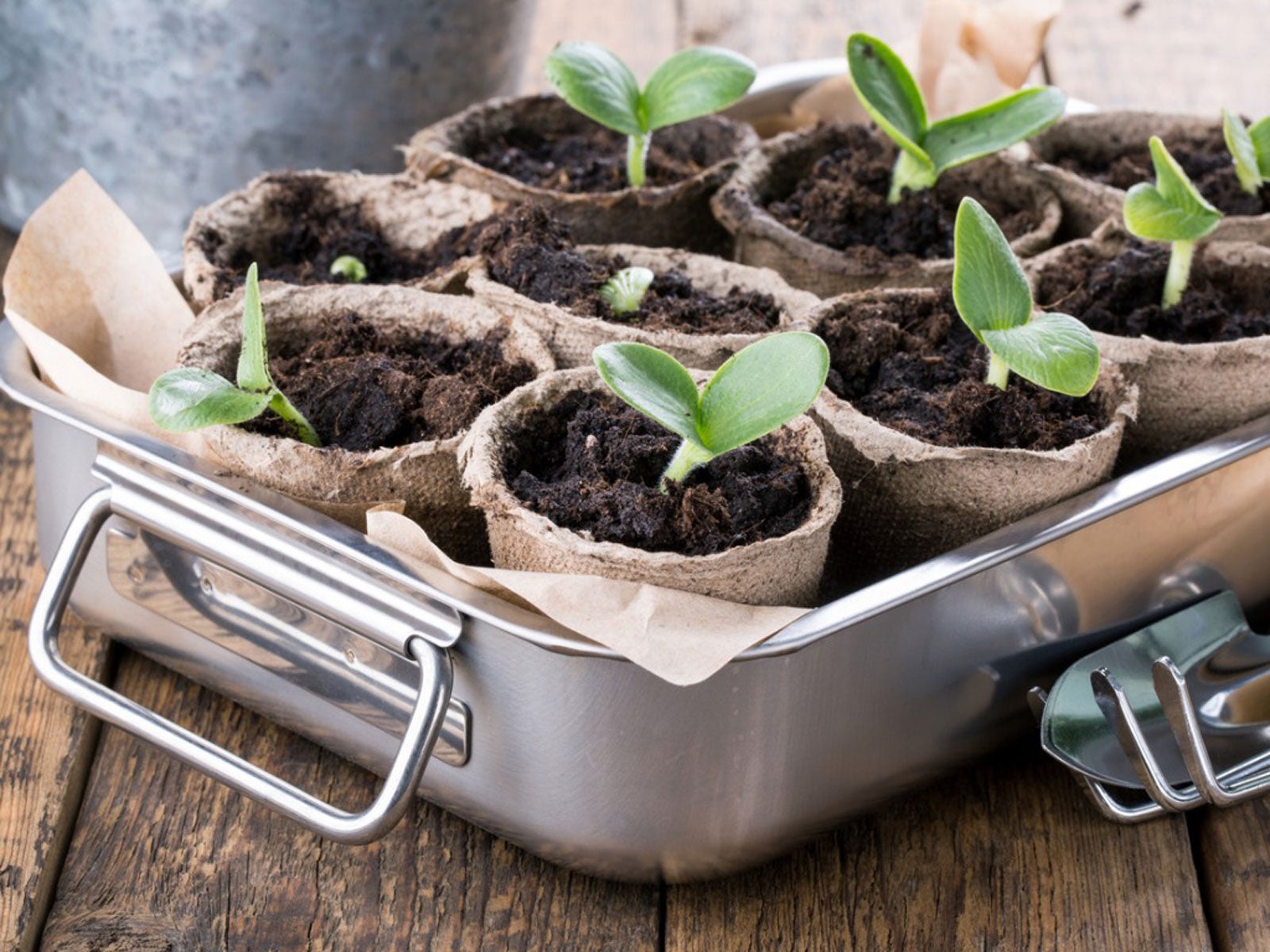
Start garden seedlings indoors according to how long each crop needs to grow before transplanting. Many common vegetables need 4 to 8 weeks, while slower-growing crops such as onions and some herbs may need more time. Fast-growing crops may need only a few weeks, and several vegetables are best sown straight into the garden.
For spring planting, first find your area’s average last spring frost date. This date is a planning tool based on past weather records. It does not promise that frost will never happen again, so watch the local forecast before moving tender plants outdoors.
Next, read the seed packet for the suggested number of weeks before transplanting. Count backward from your planned outdoor planting date. If your local last frost date is April 25 and the packet recommends starting tomatoes six weeks before transplanting, aim for about March 14 if you expect to plant outside around April 25. Delay transplanting if the soil is cold or frost is forecast.
Source: offbeatgardener.com
Start early for slow-growing crops
Onions, leeks, and some perennial herbs may need a long indoor growing period. Follow the packet because varieties can differ.
Start most common warm-season crops several weeks ahead
Tomatoes, peppers, and eggplants are commonly started indoors before the weather is warm enough for outdoor planting.
Sow fast-growing crops closer to planting time
Cucumbers, squash, and melons can grow quickly. Starting them too early may lead to oversized plants that struggle after transplanting.
Sow some crops directly outdoors
Carrots, radishes, peas, and many beans usually establish well from direct sowing when soil and weather conditions suit the crop.
The Simple Backward-Counting Method
Choose the date you hope to transplant a crop into the garden. Check the seed packet for the recommended indoor starting period, then count backward by that number of weeks. This gives you a useful starting date rather than a fixed rule that applies to every garden.
For example, if your planned tomato transplant date is May 10 and the seed packet recommends starting six weeks earlier, sow the seeds around March 29. If the seedlings grow slowly because light or warmth is limited, adjust your plan instead of forcing them outside before they are ready.
Step 1
Find your local expected last spring frost date and check typical spring conditions.
Step 2
Choose a realistic outdoor planting date based on the crop’s frost tolerance and soil temperature.
Step 3
Count backward by the number of weeks recommended on the seed packet.
Step 4
Allow time for hardening off and delay planting if the forecast or soil conditions are unsuitable.
Seed Starting Calendar for Common Garden Plants
A seed-starting calendar helps you group crops by their growing needs. The dates below are general planning ranges for U.S. spring gardens that use the local last frost date as a reference. They are not universal dates for every state or every variety.
Count backward from the intended transplant date, not from a date printed on a general calendar. Check the seed packet for variety-specific guidance. A crop that grows quickly in a warm, bright room may take longer on a cool windowsill.
Source: Fix
Tomatoes
Often started indoors 5 to 8 weeks before transplanting. Wait for suitable warmth and protect young plants from frost.
Peppers
Often started indoors 8 to 10 weeks before transplanting because they can grow slowly during their early stages.
Eggplant
Often started indoors 8 to 10 weeks before transplanting. Give seedlings warmth and strong light.
Broccoli and cabbage
Often started indoors 4 to 8 weeks before transplanting. These cool-season crops can tolerate cooler conditions than tomatoes.
Lettuce
Can be started indoors about 3 to 4 weeks before transplanting or sown directly outdoors in suitable weather.
Cucumbers and summer squash
Often started indoors about 2 to 4 weeks before transplanting, or sown outdoors once the soil is warm enough.
Pumpkins and winter squash
Often started indoors 2 to 4 weeks before transplanting. Avoid holding them in small pots for too long.
Onions and leeks
May need 8 to 12 weeks or more, depending on the crop, variety, and whether you are growing from seed.
Basil
Often started indoors 4 to 6 weeks before transplanting. Move it outdoors only after frost danger has passed and conditions are warm.
Beans, peas, carrots, and radishes
Usually direct-sown outdoors at the right time because many do not benefit from the extra handling or transplanting.
Example Calendar for a Garden With an April 25 Last Frost Date
The example below shows how backward counting works when April 25 is the local average last spring frost date and that date is also a reasonable target for transplanting a particular crop. Actual transplant dates can fall later, especially for warm-season plants that need warmer soil and nights.
Use these dates as an illustration only. A seed packet may recommend a different lead time, and local weather can change the best planting window.
February 14 to March 14
A possible starting window for crops that need about 6 to 10 weeks before transplanting, including peppers and eggplant.
March 14 to March 28
A possible starting window for crops that need about 4 to 6 weeks, including many tomato varieties and some herbs.
Late March to early April
A possible window for crops that need about 2 to 4 weeks indoors, such as cucumbers and summer squash.
After the soil is suitable
Direct-sow crops such as carrots, peas, and radishes according to their temperature needs and local growing conditions.
Why Seed Packet Dates May Differ
Seed packets can give different starting ranges for the same crop because varieties do not all grow at the same rate. A compact tomato may be ready sooner than a slower-growing variety. Indoor temperature, light, pot size, and the time needed to harden off also affect the schedule.
Use the packet as your main crop-specific guide, then judge the seedlings themselves. Strong roots, sturdy stems, and healthy leaves matter more than reaching an exact age.
Check the variety
Different varieties of the same vegetable can have different growth rates and planting needs.
Check the growing setup
Low light and cool indoor conditions can slow growth, while warm conditions and strong light may speed it up.
How Your USDA Growing Zone Affects Seed Starting
Your USDA plant hardiness zone helps describe winter temperature patterns, but it does not tell you the exact date to start every seed. The zone map is mainly designed to show average annual extreme minimum winter temperatures. It is not a spring frost calendar.
Gardeners in colder northern states often have shorter outdoor growing seasons, so they may rely more on indoor seed starting. Gardeners in warmer parts of the South may sow some crops outdoors earlier, while very hot regions may have a second growing season in fall.
Use your zone as background information, then check local frost dates, soil conditions, and crop guidance. A gardener in the same zone as you may live at a higher elevation or near a body of water, which can shift local frost risk.
Source: commonsensehome.com
Cold-winter regions
Plan indoor starts around the local spring frost date. Choose crops that can mature within the available growing season.
Mild coastal regions
Local frost patterns may differ from nearby inland areas. Check local extension guidance before using a regional calendar.
Hot southern regions
Warm-season crops may start earlier, but intense summer heat can make some vegetables harder to grow. Fall planting may be useful.
High-elevation gardens
Cool nights and late frosts may persist even when nearby lowland gardens are ready for planting.
How to Find Your Local Frost Date
Check your state university cooperative extension, a local gardening service, or a reliable frost-date calculator that uses your location. Compare the result with nearby weather station data when available. Remember that average dates describe past patterns, not the weather you will get this year.
Before transplanting tender seedlings, review the short-term forecast. If a late frost is expected, keep the plants protected or wait until the risk has passed. A few extra days indoors are often better than exposing tender leaves to freezing temperatures.
Use local information
A nearby extension office or weather station can provide more relevant guidance than a broad state-level date.
Watch the forecast
An average frost date does not rule out a late cold snap.
Which Seeds Should You Start Indoors?
Start seeds indoors when a crop benefits from extra growing time before the outdoor season begins. Indoor starting can help with slow-growing plants, crops that need a long warm season, and varieties that are easier to establish in a controlled setting.
Direct sow seeds outdoors when the crop grows well from seed in garden soil or does not handle root disturbance well. This saves space, reduces transplant work, and avoids keeping fast-growing seedlings in pots for too long.
Source: thegardencrafter.com
Good candidates for indoor starting
Tomatoes, peppers, eggplant, broccoli, cabbage, many herbs, and some flowers often benefit from an indoor head start.
Often better as direct-sown crops
Carrots, parsnips, radishes, peas, and many beans are commonly sown directly into the garden.
Can go either way
Lettuce, cucumbers, squash, melons, and some flowers can be started indoors or outdoors, depending on the climate, variety, and available time.
Why Root Disturbance Matters
Some crops develop long or delicate roots that can be damaged when moved from a tray into garden soil. Root crops such as carrots are usually easier to grow by sowing them where they will mature. Peas and beans also tend to establish well when planted outdoors at the right time.
If you do start a crop indoors, use containers that allow roots to develop without crowding. Move seedlings gently and keep the root ball intact when transplanting. A plant that suffers less root damage is more likely to resume growth quickly.
Use deep containers when suitable
Crops that develop deeper roots may need more root room than shallow seed trays provide.
Avoid pulling seedlings by the stem
Handle the leaves or root ball gently to reduce the risk of crushing the stem.
Should You Start Flowers Indoors?
Many annual flowers can be started indoors before spring, but the ideal lead time varies widely. Some flower seeds need light to germinate, while others need darkness or a period of cold treatment. Check the seed packet before covering them with soil.
Fast-growing flowers may need only a short indoor start. Others are best sown outdoors when the soil and weather suit them. Avoid starting every flower at the same time just because the trays are ready.
Check light needs
Follow the packet directions for surface sowing, seed depth, and light during germination.
Group seeds by timing
Starting crops with similar schedules together makes watering and transplant planning easier.
How to Start Garden Seedlings Indoors
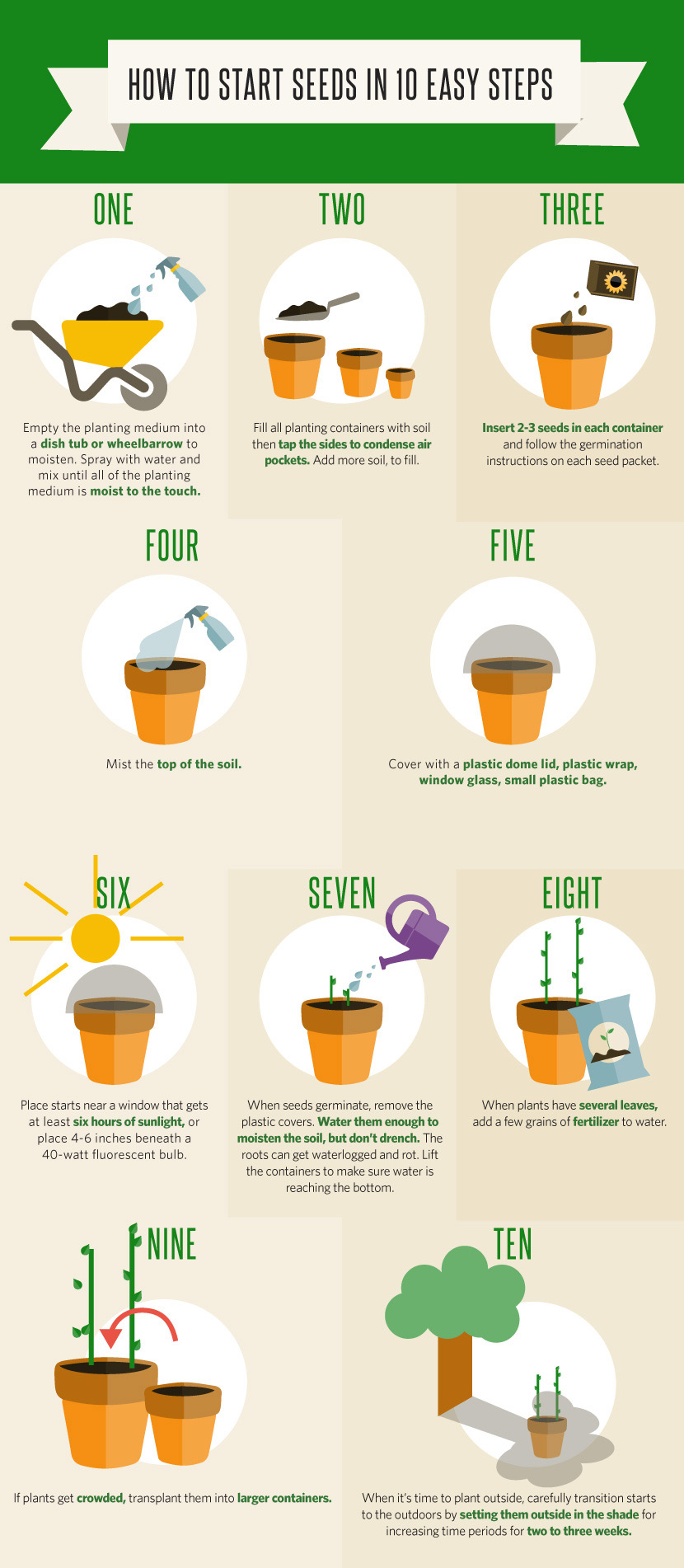
Healthy seedlings need clean containers, a suitable seed-starting mix, enough light, and steady moisture. You do not need a large greenhouse to begin. A bright, well-managed indoor space can work if temperature and light meet the needs of the crop.
Prepare the growing area before sowing. This helps you avoid leaving fresh seeds in poor light or using containers that drain badly. Keep the seed packets nearby so you can follow the correct sowing depth and germination instructions.
Source: fity.club
Choose clean containers
Use seed trays, small pots, or other containers with drainage holes. Clean reused pots before planting.
Use seed-starting mix
A fine, clean mix designed for seed starting helps retain moisture while allowing air around developing roots.
Sow at the correct depth
Follow the seed packet. Some small seeds need light to germinate and should be left on the surface or covered very lightly.
Label each crop
Write the crop name and sowing date on a plant label. Seedlings can look alike when they first emerge.
Keep the mix evenly moist
The mix should not dry out during germination, but it should not stay waterlogged.
Give Seedlings Enough Light
Good light helps seedlings develop sturdy stems and compact growth. A sunny window may work, but light can be weak in winter or early spring, even when the room looks bright. Seedlings that lean toward the glass or grow tall and thin may need stronger or closer light.
If you use grow lights, follow the manufacturer’s guidance for distance and daily light duration. Keep lights close enough to provide useful light without overheating or scorching the leaves. Adjust them as the seedlings grow.
Look for sturdy growth
Healthy seedlings usually develop firm stems and leaves that are not stretched far toward a light source.
Avoid sudden changes
Move plants into brighter conditions gradually if they have been growing in low light.
Water Without Drowning the Roots
Seed-starting mix needs moisture for germination, but roots also need air. Constantly saturated mix can reduce oxygen around roots and increase the risk of seedling diseases. Containers must drain freely, and excess water should not sit beneath the trays.
Check the mix by touch rather than watering on a rigid schedule. Small containers can dry quickly under lights or in warm rooms, so inspect them often. Water gently to avoid washing seeds out of place or flattening young stems.
Water when needed
Keep the mix evenly moist, adjusting to container size, room warmth, and seedling growth.
Empty standing water
Do not leave trays sitting in deep pools of water for long periods.
Pot Up Crowded Seedlings
Move seedlings into larger pots when roots begin to fill their containers or plants outgrow the space available. Crowded seedlings compete for light, water, and nutrients. Waiting too long can make the roots harder to separate without damage.
Handle seedlings gently and water after potting up. If the seed-starting mix contains little or no fertilizer, follow the mix label and crop guidance before feeding young plants. Too much fertilizer can harm tender roots.
Check roots and leaves
Roots circling the pot, rapid drying, and crowded leaves can signal that a larger container is needed.
Avoid unnecessary feeding
Use a suitable fertilizer only when needed and at the rate directed for young plants.
How to Know When Seedlings Are Ready to Transplant
Seedlings are ready for the garden when they are healthy, well rooted, and suited to the outdoor weather. Age alone is not enough. A plant may reach the suggested number of weeks but still be too small, too weak, or poorly adapted to the conditions outside.
Check the crop’s expected maturity and growth habit. Most transplant-ready vegetable seedlings have several true leaves and a root system that holds the potting mix together without forming a dense, tangled mass. The right size differs by crop, so compare the plant with the packet guidance when available.
Source: www.pinterest.com
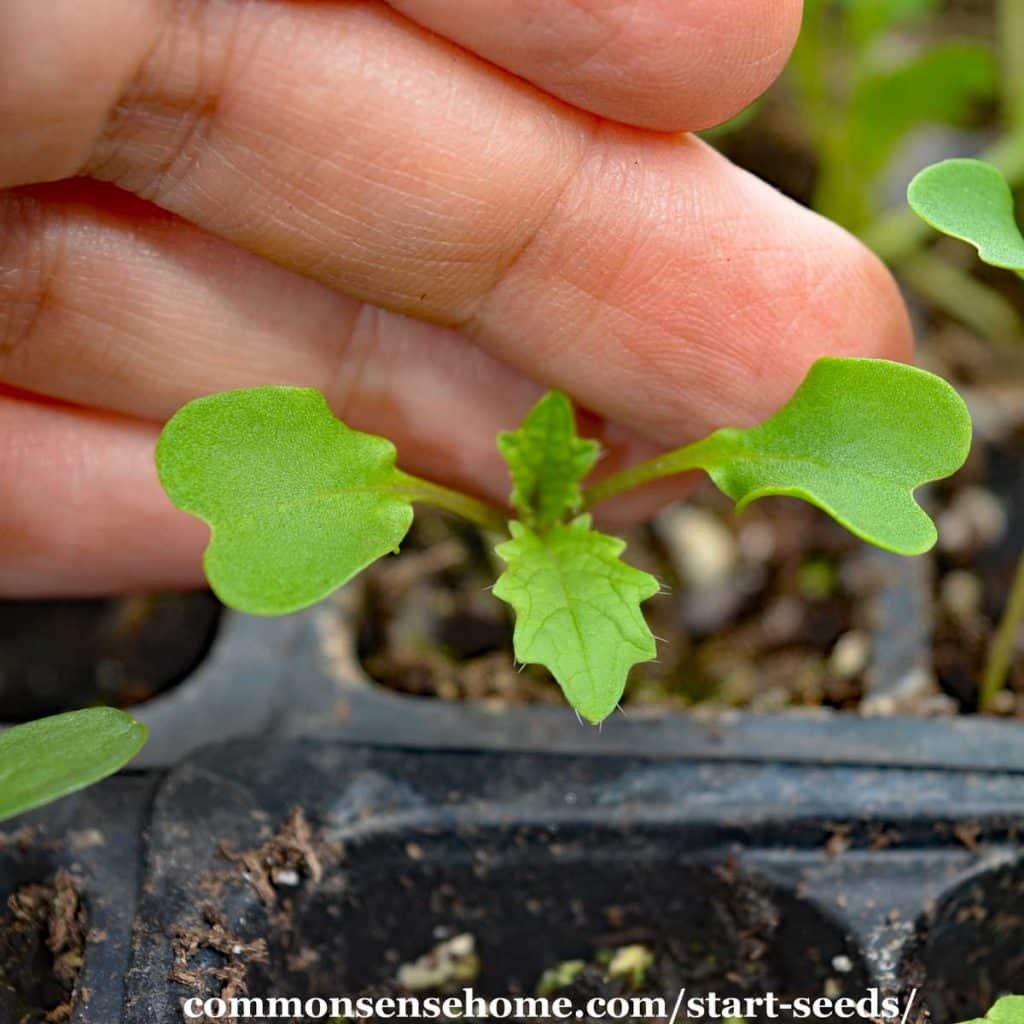
Look for true leaves
The first leaves that emerge are called cotyledons. True leaves appear afterward and resemble the plant’s usual leaf shape.
Check the roots
Roots should hold the mix together, but they should not be severely tangled or packed into a tight mass.
Check the weather
Tender crops need protection from frost and often need warm soil and mild nights.
Check for stress
Avoid transplanting seedlings that are wilted, diseased, or severely damaged if you can give them time to recover.
Harden Off Seedlings Before Planting
Hardening off helps indoor-grown seedlings adjust to outdoor sun, wind, and temperature changes. Start about 7 to 14 days before transplanting, depending on conditions and the plants’ response. Sudden exposure to strong sun can scorch leaves, even when the air feels cool.
Begin with a short period in a sheltered, shaded spot. Increase outdoor time and light exposure over several days. Bring tender plants indoors or provide suitable protection if cold, strong winds, or severe weather are expected.
Days 1 to 3
Place seedlings outside in a sheltered, shaded area for a short period, then bring them back inside.
Days 4 to 7
Gradually extend outdoor time and introduce gentle morning sun if the plants respond well.
Days 8 to 14
Increase exposure to the light and weather the crop will face, while avoiding damaging conditions.
At transplanting
Water the seedlings, plant them at the appropriate depth, and water the soil around their roots.
Choose a Suitable Day to Transplant
A mild, cloudy day can reduce stress during transplanting, although healthy seedlings can also be planted on a suitable sunny day with proper care. Avoid working in very hot, dry, or windy conditions when possible. Water the garden bed before planting if the soil is dry.
Follow the crop’s spacing and planting-depth guidance. Some crops, such as tomatoes, can be planted deeper than they grew in their pots, while other plants should remain at their original depth. Do not use one planting method for every seedling.
Keep roots moist
Do not leave seedling root balls exposed to air and sun while preparing the planting holes.
Water after planting
Settle soil around the roots and check moisture over the following days.
Protect tender crops
Use appropriate covers when needed, but ensure they do not trap excessive heat or press against fragile plants.
Common Seed-Starting Problems and How to Fix Them
Poor seedling growth often comes from a mismatch between moisture, light, temperature, and planting time. Check these basic conditions before buying more supplies or sowing another tray. A small adjustment can help healthy seeds grow, although damaged seedlings may not recover.
Keep notes on sowing dates, germination, and growth. These records help you improve your schedule next season, especially if your home is cool, your window gets limited light, or your garden has an unusually short spring.
Source: www.pinterest.com
Seeds have not sprouted
Check the packet’s expected germination time, soil temperature, sowing depth, and moisture. Some seeds need more time or special treatment.
Seedlings are tall and thin
Increase usable light, keep lights at the proper distance, and avoid excessive warmth without enough light.
Seedlings wilt
Check both dry mix and waterlogged roots. Wilting can result from too little water, damaged roots, heat, or disease.
Stems collapse near the soil
This may indicate damping-off, a group of seedling diseases often linked to contaminated materials or overly wet conditions. Remove affected plants and improve sanitation, drainage, and airflow.
Plants stop growing
Check light, temperature, root crowding, moisture, and nutrient needs. Avoid adding fertilizer before identifying a likely cause.
Seedlings suffer outdoors
Cold, wind, strong sun, and poor hardening off can cause transplant shock. Give plants suitable protection and keep the root zone evenly moist.
Can You Start Seeds Too Early?
Yes. Starting seeds too early can leave you with large plants that need more space and light before the garden is ready. Roots may become crowded, lower leaves may decline, and stems can become weak when seedlings remain in small containers for too long.
If your seedlings are ready before outdoor conditions are suitable, pot them up if needed, provide enough light, and keep them growing in a suitable indoor space. Do not rush tender crops into cold soil just to clear the trays.
Adjust next season’s schedule
Start the same crop later if it consistently outgrows its container before planting time.
Use larger pots when needed
A larger container can provide temporary root space, but it does not replace good light and proper care.
What If You Miss the Best Starting Date?
You can still grow a useful garden if you miss the suggested indoor starting window. Check the days to maturity and the remaining local growing season. For crops that mature quickly, direct sowing or buying healthy transplants may be practical alternatives.
Do not assume every late-started crop will fail. Some vegetables grow well in succession, which means sowing small batches at intervals. Others need a long season and may not produce before frost if started too late.
Choose fast-maturing varieties
Compare the maturity information on seed packets and select a variety suited to the time remaining.
Consider healthy nursery transplants
A suitable transplant can save time when the growing season is already underway.
Plan for the next season
Record what happened and set reminders based on your local frost date.
Plan a Seed-Starting Schedule That Fits Your Garden
A simple written plan can keep your seedlings from becoming crowded or missing their outdoor planting window. List the crops you want to grow, check the recommended starting time for each, and group the seeds by their sowing dates. Leave enough room for the trays and pots you will need as plants grow.
Start with a small number of crops if you are new to seed starting. Tomatoes, lettuce, and a few herbs can teach you the basics of germination, light, moisture, and transplanting without filling every windowsill. Add more crops when you know how much time and space you can manage.
Source: iseeidoimake.com
Make a crop list
Write down each vegetable or flower, its variety, and whether it will be started indoors or sown directly outdoors.
Record key dates
Include the expected last frost date, indoor sowing date, hardening-off period, and likely transplant window.
Check supplies before sowing
Prepare clean containers, suitable mix, labels, water, and enough light before starting the seeds.
Review progress weekly
Check germination, moisture, root growth, light, and the weather forecast, then adjust the plan as needed.
A Simple Seed-Starting Record
A notebook or spreadsheet can help you learn which dates work best in your garden. Record when you sowed each crop, when the first seedlings appeared, and when the plants were ready to move outside. Include any unusual cold spells, heat, or poor light that may have affected growth.
After the season, compare the results with your original plan. If peppers were still small at planting time, they may need an earlier start or better growing conditions. If squash outgrew its pots, start it later next time.
Crop and variety
Record the exact plant and variety so you can compare similar crops fairly.
Sowing and sprouting dates
Track how long germination took under your conditions.
Transplant date and plant condition
Note whether the seedlings were sturdy, root-bound, small, or stressed.
Changes for next year
Write one practical adjustment for each crop instead of changing the whole schedule at once.
Frequently Asked Questions
Q
What month should I start garden seedlings?
There is no single month that works across the United States. Many gardeners in colder regions start some seeds indoors in late winter, while gardeners in warmer regions may begin earlier or grow different crops at different times. Use your local last frost date and the seed packet’s recommended lead time to choose a sowing date.
Q
How many weeks before the last frost should I start seeds?
Many common vegetable seedlings are started 4 to 8 weeks before the expected last spring frost, but some crops need 8 to 12 weeks and others need less time. Count backward from the intended transplant date and follow the crop-specific instructions on the seed packet.
Q
Is it better to start seeds indoors or outdoors?
Indoor starting can give slow-growing or warmth-loving crops a head start before outdoor conditions are suitable. Direct sowing is often better for crops with delicate roots or those that grow quickly in garden soil. The right choice depends on the crop, local climate, and length of the growing season.
Q
Can I start garden seedlings without grow lights?
Yes, if you have a bright location that provides enough usable light for the crop. However, a window may not provide enough light during short winter days or in shaded rooms. Tall, thin stems and seedlings leaning toward the window can signal that you need a stronger light source or a better growing location.
Q
How old should seedlings be before planting outside?
The right age varies by crop and growing conditions. Many vegetable seedlings are transplanted after several weeks of growth, when they have true leaves and a healthy root system. Check the seed packet, harden the plants off for about 7 to 14 days, and wait until outdoor temperatures and soil conditions suit the crop.
Q
Can I plant seedlings outside before the last frost?
Some cold-tolerant crops can be planted before the average last frost date if the soil and weather are suitable. Tender crops such as tomatoes, peppers, and eggplant are much more sensitive to cold and should be protected from frost. Check crop-specific guidance and the forecast before planting.
Q
What should I do if my seedlings are ready but it is still too cold outside?
Keep the seedlings in a suitable indoor location with enough light, and move them into larger pots if their roots need more room. Continue to water based on the mix’s moisture level. Do not expose tender plants to freezing weather simply because they have reached the expected transplant age.
✦ Wrapping Up
Conclusion
The best time to start garden seedlings depends on the crop, your local frost dates, and the conditions where the plants will grow. Many vegetables need 4 to 8 weeks indoors before transplanting, but peppers, onions, fast-growing squash, and direct-sown crops follow different schedules. The seed packet is a useful starting point, while local weather and plant growth help you make the final call.
Healthy seedlings need more than the right date. Give them suitable light, steady moisture, enough root space, and time to adjust to outdoor conditions. A little planning now can help you avoid crowded pots, weak stems, and plants that go outside before they are ready.
💡 Key Takeaway
Find your local average last spring frost date today, choose the crops you want to grow, and count backward using each seed packet’s recommended starting time. Write down the sowing and transplant windows, then adjust them to the weather and the condition of your seedlings.