The best time to plant your vegetable garden in the United States depends on your local last frost date, soil temperature, and the vegetables you want to grow. Many cool-season crops can go into the ground in early spring, while tomatoes, peppers, beans, and squash need warmer soil and safer nights. In mild climates, fall and winter gardens can also produce fresh food.
Across the United States, vegetable planting dates can vary by several weeks or months. A gardener in Florida may plant tomatoes while a gardener in Minnesota is still dealing with frost. Even nearby towns can have different planting conditions due to elevation, shade, and local weather.
Start by finding your area’s average last spring frost date and first fall frost date. Then check the needs of each crop, since lettuce, peas, and spinach handle cool weather better than cucumbers, peppers, and melons. A planting calendar is a useful guide, but actual soil and weather conditions should decide when you sow or transplant.
How to Choose the Best Time to Plant Your Vegetable Garden
The best planting date is the point when a crop has the conditions it needs to grow well. Three factors matter most: frost risk, soil temperature, and the type of vegetable. Your local climate and the number of days left in the growing season also affect the choice.
A packet of seeds often gives a planting window, spacing details, and days to maturity. Read those directions along with a local planting calendar. If they differ from a general online chart, the seed instructions and your local conditions may offer a better fit for that variety.
Source: i2.wp.com
Last spring frost
This is the average date of the final spring freeze in your area. It helps you plan frost-sensitive crops, but a late freeze can still occur.
First fall frost
This is the average date of the first fall freeze. Use it to estimate how much time remains for summer crops and when to protect or harvest tender plants.
Soil temperature
Seeds need suitable soil temperatures to sprout well. Cold, wet soil can slow germination or lead to seed rot, while warm-season crops usually prefer warmer ground.
Crop type
Cool-season vegetables grow best in cooler conditions. Warm-season vegetables need more heat and are often damaged by frost.
Find Your Local Frost Dates
Look up average frost dates through your local cooperative extension office, state university gardening service, or a trusted local weather resource. Enter your town or ZIP code when a tool supports that level of detail. Treat the result as an estimate, not a guarantee.
Low spots in a yard may collect cold air, and raised beds may warm sooner than nearby ground. A garden near a sunny wall can also have a different microclimate from an open, windy plot. Watch your own garden as spring approaches and use protective covers when a brief cold snap threatens tender plants.
For outdoor sowing
Compare the crop’s cold tolerance with the forecast and soil condition before sowing.
For transplants
Harden off indoor-grown seedlings gradually and wait until outdoor conditions suit the crop.
Understand USDA Plant Hardiness Zones
USDA Plant Hardiness Zones are based on average annual extreme minimum winter temperatures. They are useful for understanding which perennial plants may survive winter, but they do not provide exact vegetable planting dates. Two gardens in the same zone can have different spring frost dates and summer heat patterns.
Use your zone as broad climate context, then use local frost dates, soil warmth, crop instructions, and seasonal weather to set your vegetable planting schedule. For annual vegetables, these details often matter more than the zone number alone.
Use zones for context
A zone can help describe your region’s winter climate, but it should not replace a local vegetable planting calendar.
Check regional advice
Local extension services can account for conditions that a national zone map does not show.
When Should I Plant My Vegetable Garden in Spring?
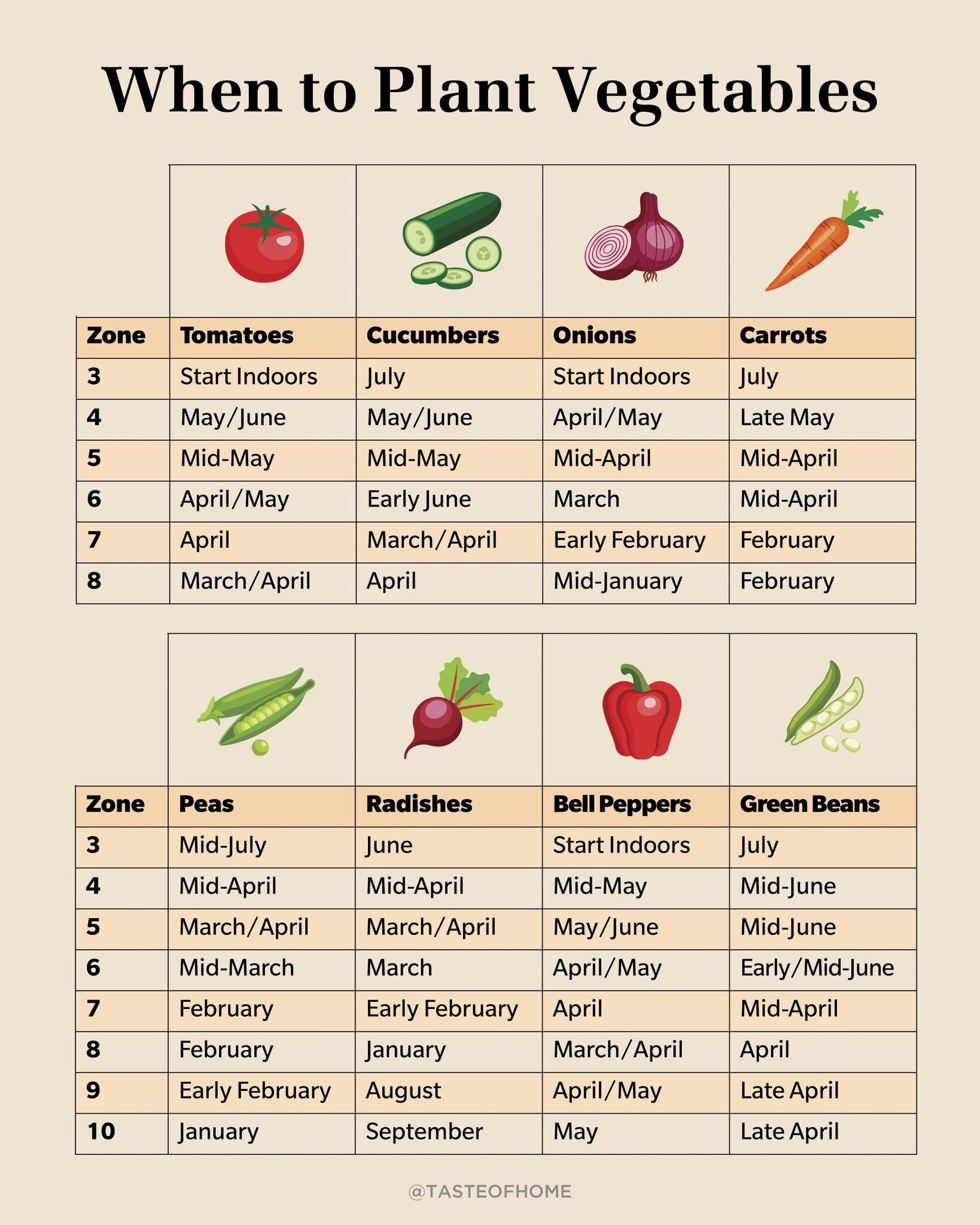
Spring planting often begins with cool-season vegetables several weeks before the last expected frost. Crops such as peas, spinach, radishes, and many lettuce varieties can tolerate cool weather. Tomatoes, peppers, and other frost-sensitive vegetables should wait until conditions are warm enough.
Do not plant every seed on the first mild day. Spring weather can shift from warm sunshine to a cold, wet spell in a short time. Check the forecast, test the soil by feel and temperature, and plant in stages if the weather remains uncertain.
Source: i.pinimg.com
Early spring
Consider peas, spinach, radishes, and other cool-tolerant crops when the soil is workable and not waterlogged.
Mid to late spring
Plant additional greens, carrots, beets, and other crops according to their seed instructions and local conditions.
After frost risk has passed
Plant tender crops such as tomatoes, peppers, beans, and cucumbers once soil and night temperatures are suitable.
Vegetables You Can Often Plant Before the Last Frost
Peas, spinach, radishes, and some lettuce varieties are common choices for early spring. Carrots and beets can also be sown in cool weather when the soil is workable. These crops do not all tolerate the same conditions, so check the variety’s instructions before planting.
A useful sign is soil that crumbles when handled rather than sticking in heavy, wet clumps. Working wet soil can damage its structure and make later planting harder. If the bed is soggy, wait until it drains.
Peas
Sow when the soil can be worked and the seed packet’s temperature guidance is met.
Spinach and lettuce
Sow in cool conditions, with some shade available if warm weather arrives early.
Radishes
Sow small rows at intervals to spread the harvest instead of producing too many roots at once.
When to Move Indoor Seedlings Outdoors
Seedlings raised indoors need time to adjust to direct sun, wind, and outdoor temperature changes. This process is called hardening off. Move them outdoors for short periods at first, then increase their exposure over roughly a week, adjusting the pace for weather and plant response.
Avoid moving tender seedlings straight from a warm indoor room into strong sun or cold wind. Keep the potting mix moist without leaving the containers waterlogged. If a cold snap is forecast, delay planting or bring container-grown seedlings into shelter.
Before transplanting
Check that seedlings are healthy, hardened off, and large enough to handle planting.
On planting day
Choose a mild period when possible, water the seedlings, and follow the crop’s recommended planting depth.
When Is It Safe to Plant Warm-Season Vegetables?
Warm-season vegetables need warmer soil and air than cool-season crops. Tomatoes, peppers, eggplants, cucumbers, beans, squash, and melons can struggle when planted into cold ground. Most are sensitive to frost, so wait until frost danger has passed and the forecast supports steady growth.
The last frost date is only one part of the decision. A week of cold nights can slow growth even when the calendar says it is time to plant. Soil temperature requirements differ by crop, so use the seed packet or a reliable regional growing guide rather than applying one temperature to every vegetable.
Source: smithsgardentown.com
Tomatoes and peppers
Transplant after frost danger has passed and nights are warm enough for healthy growth. Peppers often prefer warmer conditions than tomatoes.
Beans and cucumbers
Sow or transplant into warm soil. Cold, wet soil can delay germination and harm seeds.
Squash and melons
Wait for warm weather and enough growing-season length for the selected variety to mature.
Corn
Plant when the soil is warm enough for reliable germination, following the variety’s guidance.
Should You Start Warm-Season Crops Indoors?
Starting seeds indoors can give long-season crops more time to grow, especially in areas with short summers. Tomatoes and peppers are often started indoors before the outdoor planting window. Squash and cucumbers grow quickly, so starting them indoors too early can create large seedlings that are hard to transplant.
Use clean containers, a suitable seed-starting mix, bright light, and good drainage. Follow the packet’s suggested lead time before transplanting. If seedlings become tall and weak, they may need stronger light rather than more fertilizer.
Good candidates
Tomatoes, peppers, and eggplants often benefit from an indoor start where the growing season is limited.
Crops that dislike root disturbance
Some root crops are usually sown directly in the garden because transplanting can damage the developing root.
Fast-growing crops
Cucumbers and squash may be better direct-sown or started only shortly before transplanting.
When Should You Plant Vegetables by Season?
Most U.S. vegetable gardens follow a spring-to-fall pattern, but the best season depends on the crop and region. Cool-season vegetables often fit spring and fall, while heat-loving crops tend to grow through summer. In areas with mild winters, gardeners may grow selected vegetables during months when northern gardens are frozen.
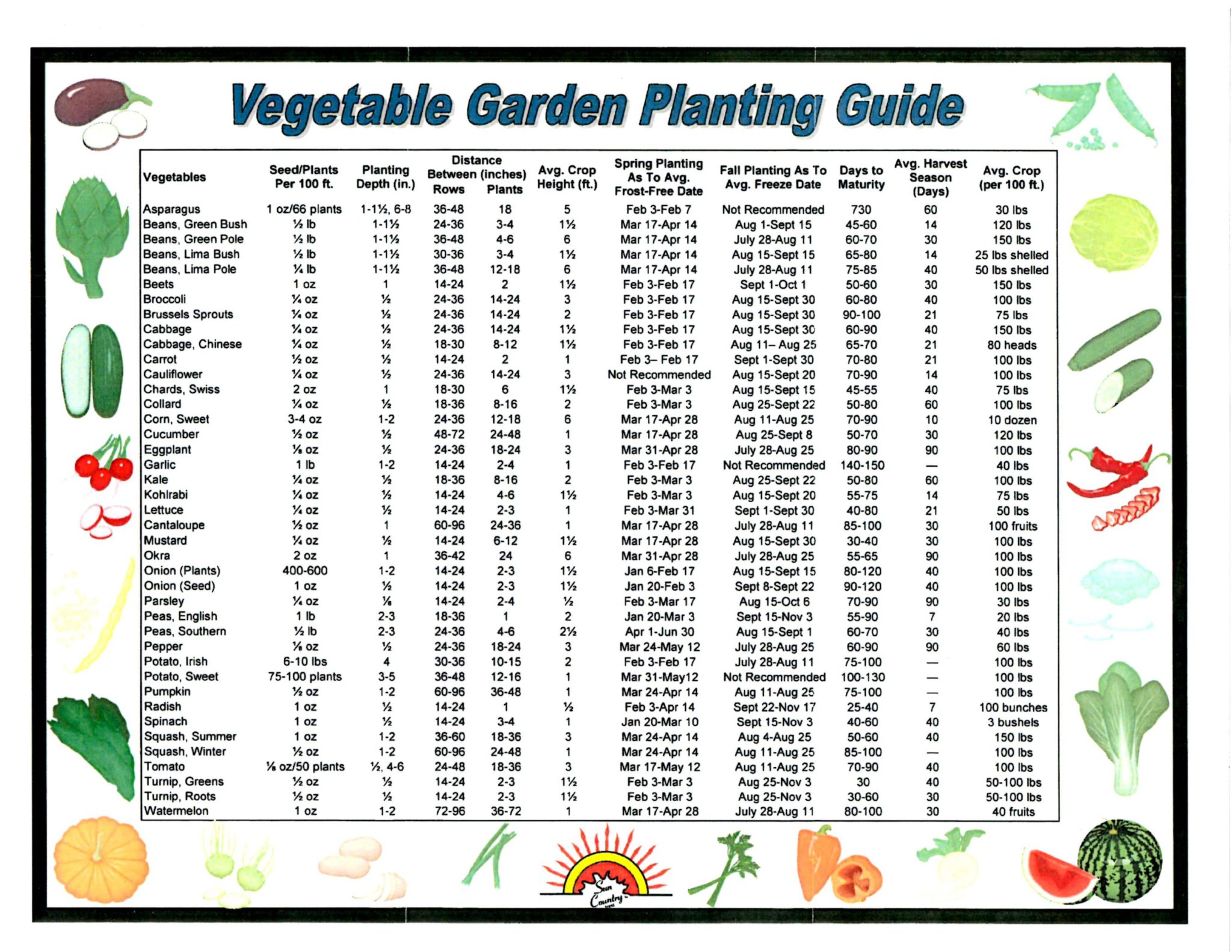
The table below gives a broad seasonal guide. It is not a calendar for every state. Use it to narrow your choices, then check your local planting dates and the instructions for each variety.
Source: i.pinimg.com
Spring
Start with cool-season crops and add warm-season crops when frost risk and cold soil are no longer a concern.
Summer
Maintain warm-season crops and consider heat-tolerant varieties or another round of suitable short-season crops.
Fall
Sow crops that can mature before cold weather, allowing extra time as daylight and temperatures decline.
Winter in mild regions
Grow crops suited to local winter temperatures and rainfall. A winter garden in the Gulf Coast or parts of the Southwest will differ from one in a colder inland region.
General Vegetable Planting Season Guide
Use this table as a starting point for planning, not as a set of guaranteed dates. Some vegetables have both spring and fall planting windows, and local heat can shorten the period when they produce well.
Cool-season crops
Peas, spinach, lettuce, radishes, kale, and many root crops are commonly grown in cool spring or fall weather.
Warm-season crops
Tomatoes, peppers, beans, cucumbers, squash, corn, and melons generally need warmer growing conditions.
Long-season crops
Some varieties need a long stretch of suitable weather. Check days to maturity and your local frost-free period before choosing them.
How Regional Climate Changes the Schedule
In much of the southern United States, spring warmth may arrive early, but summer heat can make some cool-season crops difficult to grow. In northern states, spring planting often begins later and the fall window can be short. Coastal areas may have milder temperatures, while inland and high-elevation gardens can face wider temperature swings.
Florida and parts of the Gulf Coast may support a major fall and winter vegetable season. In the Southwest, gardeners must also account for intense sun, low rainfall, and very hot soil. Use advice from a nearby cooperative extension office because broad national calendars cannot capture every local pattern.
Northern climates
Favor varieties that mature within the local growing season and plan spring and fall crops around frost.
Southern climates
Check both frost dates and summer heat. Some crops grow best outside the hottest part of the year.
Dry western climates
Plan for irrigation, soil moisture, and heat exposure as well as the planting date.
When Should You Plant a Fall Vegetable Garden?
Start planning a fall vegetable garden well before summer ends. Many fall crops grow best as temperatures cool, but seeds still need enough warmth and time to sprout. If you wait until the weather feels like fall, slow growth and early frost may leave too little time for a full harvest.
The main task is to count backward from the expected first fall frost. Check the days to maturity listed for the variety, then allow additional time because shorter days and cooler weather can slow growth. The needed buffer varies by crop, local climate, and whether you are planting seeds or transplants.
Source: i.pinimg.com
Choose suitable crops
Radishes, spinach, lettuce, turnips, and some kale varieties can work well in fall when local temperatures suit them.
Prepare the bed early
Clear spent crops, remove weeds, and water dry soil before sowing where needed.
Protect young plants
Use suitable row covers or other crop protection when frost threatens, while ensuring the cover does not overheat plants on warm days.
How to Calculate a Fall Planting Date
Suppose a local garden guide gives September 30 as the expected first fall frost date, and your chosen radish variety lists 30 days to maturity. Counting back 30 days gives an approximate sowing date of August 31. This is a hypothetical example, not a recommendation for a specific town or variety.
Add extra time if the crop may grow more slowly as daylight declines, and check whether the seed packet counts maturity from sowing or transplanting. For a crop that needs a long season, the calculation may show that it is already too late. Choose a faster variety or another crop instead.
Step 1
Find your local average first fall frost date.
Step 2
Read the variety’s days-to-maturity information and note how that period is measured.
Step 3
Count backward and add a reasonable buffer for slower fall growth.
Step 4
Check the forecast and soil moisture, then sow or transplant when conditions are suitable.
A Practical Vegetable Planting Calendar for Beginners
A useful planting calendar combines the local frost dates with crop-specific instructions. It should tell you what to sow, whether to start indoors, and what conditions must be met before planting. Keep the plan simple for the first season and add crops as you learn how your garden responds.
Record the date you sow seeds or set out transplants. Note when seedlings emerge, whether cold weather slowed growth, and when you begin to harvest. Those records will help you adjust next year’s schedule to your own yard.
Source: i.pinimg.com
Early season
Prepare the bed, check soil conditions, and sow suitable cool-season crops.
Around the last frost
Check the forecast and decide whether to protect existing plants or delay tender crops.
Warm weather
Plant heat-loving vegetables when soil and air conditions meet their needs.
Late summer
Plan fall crops by counting backward from the local first fall frost date.
Build a Calendar for Your Own Garden
Write down the vegetables you want to grow before buying seeds. Group them by cool-season and warm-season needs, then note whether each crop is direct-sown or commonly started indoors. This makes it easier to see which jobs need attention first.
Use a paper calendar, spreadsheet, or garden notebook. Leave room to record weather changes and unexpected delays. A flexible calendar is more useful than a rigid schedule that assumes every spring will be the same.
List each crop
Include the variety name, planting method, spacing, and days to maturity.
Add local dates
Mark the average last spring frost and first fall frost as planning guides.
Set reminders
Schedule indoor sowing, hardening off, outdoor planting, and later sowings where useful.
Review the results
Record what worked and adjust the plan based on actual growth and harvest dates.
How Soil and Weather Affect Planting Time
Good planting conditions matter as much as the date on your calendar. Seeds need moisture, oxygen, and a suitable temperature to germinate. Soil that stays cold and soaked can delay emergence, while hot, dry soil can cause newly sown seeds to fail.
Check the forecast before planting, especially if heavy rain, frost, or a heat wave is likely. Water the bed as needed and keep the top layer moist during germination. Avoid adding more water when the soil is already saturated.
Source: gardeningknowhow.com
Cold, wet soil
Wait for better drainage and a suitable temperature before sowing seeds that need warmth.
Dry soil
Water before sowing if needed, then maintain even moisture without washing seeds out of place.
Hot weather
Use suitable planting times, mulch where appropriate, and protect young crops from excess heat.
Unexpected frost
Delay planting tender crops or use suitable frost protection when the risk is brief and manageable.
Check Soil Temperature Before Sowing
A soil thermometer can help you decide whether conditions suit a particular crop. Take readings at the depth recommended for the seed and check more than once, since soil can warm during the day and cool overnight. Compare the result with the crop’s planting instructions.
There is no single soil temperature that suits all vegetables. Peas can germinate in cooler soil than beans or cucumbers, while tomatoes and peppers generally need warm conditions for reliable growth. If you cannot check the temperature, use local extension guidance and watch for a steady warming trend rather than relying on one sunny afternoon.
Use the crop’s guidance
Check the seed packet or a trusted regional guide for suitable soil temperatures.
Measure consistently
Take readings in the planting area at the appropriate depth, rather than measuring only the air.
Common Vegetable Planting Mistakes to Avoid
Many planting problems begin when the calendar is treated as a guarantee. A warm afternoon does not mean the soil is ready for beans, and a date after the average last frost does not rule out another freeze. Use several clues together before you plant.
Crowding and uneven watering can also weaken a garden even when planting dates are right. Give crops the space listed on the seed packet, thin seedlings when needed, and water according to soil and weather. Healthy early growth gives plants a better chance to produce a useful harvest.
Planting tender crops too early
Cold nights and cold soil can slow growth or damage plants. Wait for conditions that suit the crop.
Ignoring the seed packet
Varieties can differ in maturity time, spacing, and temperature needs. Read the instructions for the exact variety.
Starting seeds indoors too soon
Overgrown seedlings can become difficult to transplant. Count backward from the expected outdoor planting date using the recommended indoor lead time.
Sowing too much at once
Plant small batches of quick crops at intervals when suitable. This can spread harvests and reduce waste.
Forgetting fall planning
Cool-season seeds still need time to mature. Count backward from frost and allow for slower growth in shorter days.
What If You Already Planted Too Early?
First, identify the risk. Cool-season seedlings may tolerate a light chill, while tender crops can be harmed by a freeze. Check the local forecast and the needs of the specific vegetable before deciding whether to cover, shelter, or replant.
For a short cold snap, suitable row cover or another breathable plant cover may reduce cold damage when installed correctly. Keep covers from pressing hard on delicate plants, and remove or ventilate them as needed during warm, sunny weather. If seedlings are badly damaged, wait until conditions improve before deciding what to replace.
Check plant condition
Look for limp, blackened, or water-soaked tissue after cold exposure, but allow time before removing plants that may recover.
Protect when appropriate
Use a cover rated or suitable for the expected conditions and secure it against wind.
Replant if needed
Choose a suitable crop and wait for safe conditions rather than repeating the same early planting mistake.
How to Keep Your Vegetable Garden Producing Longer
You can extend harvests by choosing suitable varieties, sowing in stages, and making use of both spring and fall planting windows. This approach is often more practical than planting every vegetable on the same day. It also spreads the work of watering, thinning, and harvesting over time.
Succession planting means sowing another small batch after the first one. It works well for many fast-growing crops, although the best interval depends on the vegetable and season. Heat-sensitive greens may stop producing well in summer, so time later sowings for cooler weather instead.
Sow in small batches
Plant a short row of radishes or lettuce, then sow another batch later if the season remains suitable.
Choose varieties by maturity
Compare days to maturity and select crops that fit the length of your growing season.
Use fall planting windows
Grow suitable cool-season vegetables as summer heat eases, leaving enough time before frost.
Keep harvest notes
Record sowing dates, first harvests, weather problems, and varieties that performed well.
Match Planting Dates to Your Harvest Goal
If you want fresh salad greens over several weeks, sow small amounts at intervals rather than all at once. If you want a large tomato harvest for cooking, choose varieties that fit your season and consider how many plants your space can support. Different goals call for different planting plans.
Keep the garden manageable. A few well-timed crops that receive steady care can be more useful than a long list of vegetables planted without enough room or time. Expand the plan after you learn which crops suit your local conditions.
For steady salads
Use repeated sowings of suitable greens and root crops, adjusting for heat and cold.
For summer meals
Plan warm-season crops around the safe outdoor planting window and the variety’s maturity time.
For a fall harvest
Choose fast or cool-tolerant crops that have time to mature before the expected first frost.
Frequently Asked Questions
Q
What month is best to plant a vegetable garden?
There is no single best month for every U.S. garden. In many regions, cool-season vegetables go into the ground in early spring, while frost-sensitive crops are planted later in spring or early summer. In mild southern areas, fall and winter may be better for some vegetables. Use your local frost dates and crop instructions to choose the right month.
Q
Can I plant vegetables before the last frost?
Yes, some vegetables can be planted before the average last frost. Peas, spinach, radishes, and certain lettuce varieties tolerate cool conditions. Tomatoes, peppers, beans, cucumbers, and other tender crops generally need warmer conditions and protection from frost. Check the forecast and the requirements of each crop before planting.
Q
Should I plant seeds or buy vegetable seedlings?
Both methods work. Direct sowing is often best for carrots, radishes, peas, and other crops that do not benefit from transplanting. Seedlings can save time for long-season crops such as tomatoes and peppers. Consider your local growing season, available light, cost, and the time you can spend caring for young plants.
Q
Is it too late to start a vegetable garden in summer?
Not always. You may still have time for fast-growing crops or warm-season vegetables if the remaining weather suits them. Check the days to maturity, local first fall frost date, and expected heat. In very hot regions, it may be better to wait for a fall planting window for cool-season crops.
Q
When should I start a fall vegetable garden?
Begin planning in summer, then count backward from your area’s expected first fall frost. Use the variety’s days to maturity and allow extra time for slower growth as days shorten. Some crops can be sown into warm soil, while others need cooler conditions. Local extension calendars can help you choose a suitable window.
Q
Do raised beds warm up sooner in spring?
Raised beds can warm and drain sooner than nearby ground, depending on their material, soil, exposure, and weather. That can make them useful for early planting, but it does not remove the risk of frost or guarantee that the soil is warm enough for every crop. Check the actual conditions in the bed before sowing.
✦ Wrapping Up
Conclusion
The best time to plant your vegetable garden depends on your local climate and the needs of the crops you choose. Cool-season vegetables often grow well in spring and fall, while warm-season vegetables need warmer soil and protection from frost. A local planting calendar is a useful starting point, but the weather and soil in your garden should guide the final decision.
Start with a short list of vegetables, find your average spring and fall frost dates, and check each variety’s planting directions. Sow or transplant when the conditions suit the crop, and keep notes as the season unfolds. With a flexible plan, you can make better use of spring, summer, and fall planting windows.
💡 Key Takeaway
Today, look up your local last spring frost and first fall frost dates. Choose three vegetables, check their temperature and maturity needs, and write down a planting window for each one.