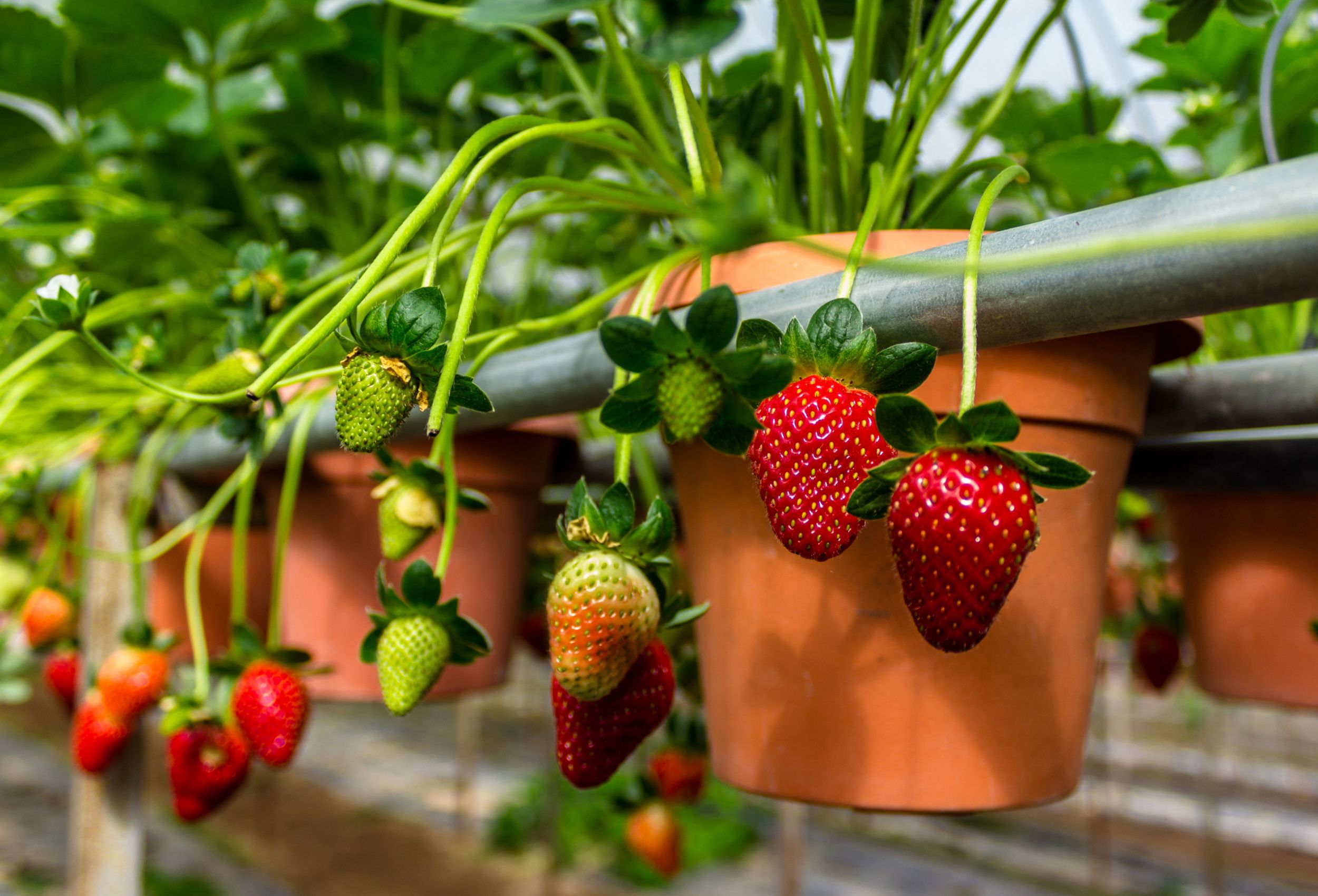
You can grow strawberry plants from the tiny seeds on a ripe strawberry. Remove the seeds, let them dry, sow them in moist seed-starting mix, and give them light and steady warmth. The new plants need time to grow before they can produce fruit.
Growing strawberries at home can start with fruit from a grocery store or a strawberry picked from your garden. In the United States, gardeners can raise strawberry plants in sunny backyards, raised beds, and containers on patios. The best time to start depends on your local climate and the type of strawberry you plan to grow.
There is one thing to know before you begin. A strawberry does not grow into a new plant when you bury the whole fruit in soil. The fruit often rots before the seeds can sprout. Instead, collect the small seeds on the skin and plant them in a suitable growing mix. This method costs little, but it takes patience, and the new plants may not produce fruit identical to the strawberry you started with.
Source: ar.inspiredpencil.com
Can You Grow Strawberries From a Strawberry?
Yes, you can grow strawberry plants from the seeds found on a ripe strawberry. Each tiny seed on the outer skin can contain a plant embryo. Under suitable conditions, some seeds can germinate and grow into seedlings.
The small dots on a strawberry are called achenes. Each achene is a separate, dry fruit that contains a seed. The red, juicy part that we eat is the enlarged flower base, not the true fruit in the botanical sense.
For home gardeners, this means you can use a ripe strawberry as a source of seeds. However, seed-grown plants can vary in growth, fruit size, flavor, and yield. Some cultivated strawberries are hybrids, so their seedlings may not match the parent plant.
If your main goal is to harvest the same kind of strawberry again, a runner or a nursery plant from a known variety is usually a more reliable choice. If you enjoy trying a small gardening project and watching plants develop from seed, starting with a strawberry can be rewarding.
Source: qaqooking.wiki
Best for a low-cost experiment
Use a ripe strawberry to collect seeds and learn how strawberry seedlings grow.
Best for a predictable harvest
Choose a named variety sold as a healthy plant, or use a runner from a suitable established plant.
Avoid planting the whole fruit
A buried strawberry is likely to decay and may encourage mold instead of producing healthy seedlings.
Will Grocery Store Strawberries Grow?
Seeds collected from grocery store strawberries may germinate, but the result is not guaranteed. Commercial fruit can come from many varieties, including hybrids selected for fruit quality, shipping, and storage. Their seedlings may differ from the original plant.
Choose a ripe, healthy strawberry with no visible mold or soft, decaying spots. A fresh fruit is easier to handle, but its appearance alone cannot tell you whether its seeds will germinate. Some varieties are also bred or sold in forms that are less suited to ordinary home seed starting.
Choose clean fruit
Avoid fruit with fuzzy mold, spreading decay, or an unpleasant smell.
Expect variation
Seedlings may grow into plants with different fruit traits from those of the original strawberry.
What You Need Before Planting Strawberry Seeds
Gather your supplies before you remove the seeds. Strawberry seeds are small, so a clean work area and a fine growing mix make the job easier. You do not need a large garden or expensive tools to begin.
A shallow seed tray, small nursery pots, or a clean container with drainage holes can all work. If you reuse a container, wash it first. Any container used for seedlings must allow excess water to drain away.
Use a seed-starting mix rather than heavy garden soil. A fine, loose mix helps tiny roots spread and allows air to reach them. Garden soil can be dense and may contain weed seeds or organisms that cause seedlings to rot.
Keep the supplies in a spot where you can check the soil each day. Once seedlings appear, they need strong light. A bright window may work if it receives enough direct or bright indirect light, but a suitable grow light can provide more consistent conditions.
Source: www.pinterest.com
Ripe strawberry
Choose a healthy fruit with visible seeds on the skin.
Clean knife or spoon
Use a clean tool to scrape off a thin layer of skin that holds the seeds.
Paper towel or small plate
Spread the collected seeds in a single layer so they can dry.
Seed-starting mix
Pick a fine, loose mix that holds some moisture but drains well.
Small pots or seed tray
Choose a container with drainage holes to help prevent waterlogged roots.
Water and light
Use a gentle spray bottle or fine watering stream, plus a bright growing area.
Should You Use Fresh Seeds or Dried Seeds?
Seeds can be collected from fresh fruit and then dried before planting. Drying makes the seeds easier to separate and store briefly, and it helps keep them from being buried in wet fruit pulp. Spread them on a clean plate or paper towel in a dry place away from direct heat.
Do not bake the seeds or leave them on a hot windowsill. Excess heat can damage them. Once the seeds are dry, plant them when you are ready or keep them in a dry, labeled container for later use.
Dry gently
Allow the seeds to air-dry at room temperature.
Keep them clean
Remove as much fruit pulp as you can without crushing the tiny seeds.
How to Collect Seeds From a Strawberry
The first step is to separate the tiny seeds from the red fruit. You can do this by scraping the surface or by using a small amount of water to help loosen the seeds. Work gently because the seeds are small and easy to lose.
Source: fity.club
Method 1: Scrape the Seeds From the Skin
This method is simple and needs very little equipment. Place a ripe strawberry on a clean plate and use a clean knife or spoon to scrape a thin layer from the outer surface. Try to collect the seeds along with only a small amount of flesh.
Spread the scraped material over a clean paper towel. Let it dry until the fruit tissue becomes easier to remove. You can then gently rub the dry material between your fingers to loosen the seeds. Pick out the seeds and discard the larger bits of dried fruit.
Do not press hard or scrape deeply into the fruit. The goal is to collect the seeds from the outer skin, not to crush them or turn the fruit into a wet pulp.
Use a light touch
A thin scrape is enough to collect the surface seeds.
Let the pulp dry
Dry fruit tissue is easier to separate than wet, sticky flesh.
Method 2: Blend and Separate the Seeds
A second method uses a blender to break up a small piece of strawberry. Add the fruit and a little water, then pulse briefly at a low setting. Avoid running the blender for a long time because forceful blending can damage seeds.
Let the mixture settle for a short time. Some pulp may float while heavier material settles, but this is not a perfect separation method. Pour off the loose pulp carefully, then strain the remaining mixture through a fine mesh strainer. Rinse the seeds gently and spread them out to dry.
Because a blender can damage small seeds, scraping is the simpler method for a beginner with just one or two strawberries. If you try blending, use short pulses and handle the seeds with care.
Pulse briefly
Avoid high-speed blending or long blending times.
Rinse gently
Use a fine strainer so the tiny seeds do not wash away.
How to Plant Strawberries From a Strawberry Step by Step
Once the seeds are clean and dry, you can plant them in a shallow tray or small pots. Strawberry seeds need a suitable growing medium, moisture, light after germination, and time to develop. Follow these steps to give them a good start.
Source: fity.club
Step 1: Prepare the Seed Tray
Fill your clean container with moist seed-starting mix. The mix should feel damp when touched, but water should not pool on the surface. Leave a little space below the rim so you can water without spilling the mix.
Lightly level the surface with your fingers. Do not press it into a hard layer. Tiny roots need a loose medium, and a flat surface helps you spread the seeds more evenly.
Check drainage
Make sure the container has holes that allow excess water to escape.
Pre-moisten the mix
Add water before sowing so you do not wash the seeds into one corner.
Step 2: Spread the Seeds on the Surface
Sprinkle the seeds over the surface of the moist mix. Try to leave a little space between them. Strawberry seeds are tiny, and crowded seedlings are harder to separate once they begin to grow.
Do not bury the seeds deeply. Press them very lightly against the surface so they make contact with the moist mix. Strawberry seeds generally need light for good germination, so covering them with a thick layer of soil can reduce the chance of success.
Sow thinly
Leave room between seeds to make later transplanting easier.
Keep seeds near the surface
Use a gentle touch instead of covering the seeds with a deep layer of mix.
Step 3: Add Gentle Moisture
Mist the surface with clean water or use a very gentle stream. The goal is to keep the seeds and the upper layer of the mix moist. Strong water pressure can move the seeds or wash them too deep into the soil.
Check the tray often while waiting for germination. The surface should not dry out completely, but it should not remain soaked. Constantly wet soil reduces air around the seeds and can encourage mold.
Use a spray bottle
A fine mist helps moisten the surface without disturbing the seeds.
Avoid standing water
Empty any water collected in the tray beneath the pot.
Step 4: Provide Suitable Light and Temperature
Place the tray in a bright spot with suitable warmth. A temperature near 65 to 75 degrees Fahrenheit is a practical starting range for many home seed-starting setups, although germination needs can vary by seed source and variety. Follow any instructions provided with the seed variety when available.
After seedlings emerge, give them strong light each day. A grow light placed at the distance recommended by its maker can help prevent weak, stretched growth. If you use a window, turn the tray as needed so seedlings do not lean strongly toward one side.
Use steady conditions
Avoid sharp temperature changes and very hot locations.
Watch the seedlings
Long, thin stems often signal that the plants need stronger light.
Step 5: Wait for Germination
Strawberry seeds can take several weeks to sprout, and some take longer. The exact timing depends on the variety, seed condition, and growing environment. Do not assume the seeds have failed just because nothing appears after a few days.
Check moisture and light while you wait. If the mix dries out, moisten it gently. If you see fuzzy growth on the surface, improve airflow and reduce excess moisture. Do not dig through the tray every day to search for seeds, since this can disturb them.
Look for tiny green shoots
New seedlings first show small leaves above the growing mix.
Be patient
Give the seeds several weeks under suitable conditions before deciding that germination has failed.
Step 6: Care for the New Seedlings
Once the seedlings appear, keep the mix lightly moist and provide enough light for compact growth. The first leaves are seed leaves. Later, the plant forms true leaves with the familiar strawberry leaf shape.
When seedlings have several true leaves and are large enough to handle, move them carefully into individual small pots if they are crowded. Hold each seedling by a leaf rather than squeezing its delicate stem. Use the same kind of loose potting mix and keep the roots covered.
Handle gently
Seedling stems and roots are easy to damage during transplanting.
Give each plant room
Separate crowded seedlings so their leaves can receive light and their roots can spread.
Do Strawberry Seeds Need Cold Treatment?
Some strawberry seeds benefit from a period of cold, moist storage called cold stratification. This process exposes seeds to cool conditions that can help break dormancy in certain plants. Whether it helps depends on the strawberry variety and the condition of the seeds.
If your seeds do not germinate after several weeks under suitable moisture, light, and temperature, cold treatment may be worth considering. One common approach is to place dry seeds in a sealed, labeled container in the refrigerator for a period recommended for the variety. Other methods use a lightly moist medium, but too much water can cause mold.
Do not freeze the seeds unless the seed supplier gives specific instructions. A refrigerator is cold without being a freezer, and stable conditions are easier to manage. If you are using seeds collected from grocery store fruit, the best treatment may be uncertain because the variety is often unknown.
Cold treatment is not a substitute for good seed care. Seeds still need a suitable growing mix, moisture, and proper light conditions after sowing. If the fruit was overripe or decaying, the seeds may also have reduced viability.
Source: insidegrown.com
Check the seed source
Use variety-specific guidance if you know which strawberry produced the seeds.
Keep the treatment clean
Use a clean container and avoid soaking the seeds in standing water.
Do not rush to discard the tray
Germination can be slow, so check the growing conditions before starting again.
Should You Refrigerate Strawberry Seeds Before Planting?
Refrigeration can help with some strawberry seed lots, but it is not required for every seed. If a seed packet gives a cold-treatment method, follow those directions. For seeds collected from a fresh strawberry, try the basic sowing method first or use a cautious cold-treatment method if germination remains poor.
Avoid placing wet fruit pulp in the refrigerator with the seeds. Fruit tissue can rot and encourage mold. Separate and clean the seeds before any storage or treatment.
Use clean seeds
Remove as much fruit flesh as possible before storing or treating the seeds.
Keep expectations realistic
Cold treatment may help some seeds, but it cannot make every seed viable.
How to Grow Strawberry Seedlings Into Healthy Plants
After the seeds sprout, focus on steady growth rather than fast growth. Strong seedlings have short, firm stems, healthy green leaves, and roots that hold the growing mix together. Weak seedlings often need more light, better airflow, or a change in watering habits.
As the plants grow, gradually move them into larger pots or prepare a suitable garden bed. Strawberry plants need enough space for their crowns and roots. The crown is the short central stem where leaves and roots meet, and it must sit at the correct depth when the plant is transplanted.
Source: detroitchinatown.org
Choose the Right Pot or Garden Bed
Strawberries can grow in containers, raised beds, or in-ground garden rows. Containers are useful for patios and small spaces, while garden beds provide more room for spreading and can support more plants. Choose a location that receives about six to eight hours of direct sunlight each day when possible.
A container needs drainage holes and enough room for the roots. A pot that is too small dries out quickly and limits growth. For a raised bed or garden row, loosen the soil and remove weeds before planting. Soil that drains well helps reduce the risk of root problems.
Containers
Use a pot with drainage holes and a suitable potting mix. Check moisture more often during hot weather.
Raised beds
Use loose, well-drained soil and leave room for access and plant growth.
In-ground beds
Choose a sunny site that does not stay waterlogged after rain.
Transplant Seedlings at the Right Time
Move seedlings only when they are strong enough to handle. If the plants are still tiny and have only their first leaves, give them more time in the tray. When each seedling has several true leaves, gently lift it with a small tool and keep as much of the root system intact as possible.
Set the seedling into its new pot at the same depth it grew before. Cover the roots but do not bury the crown. Water gently after transplanting to settle the mix around the roots, then keep the plant out of harsh afternoon heat while it adjusts.
Protect the crown
Burying the crown too deeply can cause rot, while leaving roots exposed can dry them out.
Reduce transplant stress
Water after moving the plant and avoid damaging its small roots.
Water and Feed the Growing Plants
Water when the upper layer of the growing mix begins to dry, adjusting for the pot size, temperature, and weather. Small containers may need more frequent checks than garden beds. Do not use a fixed watering schedule without checking the soil because heat, rain, and drainage can change the plant’s needs.
Once the seedlings are established, use a balanced fertilizer only as directed on its label if feeding is needed. Too much fertilizer can encourage leaf growth at the expense of flowers and fruit. Fresh potting mix may already contain nutrients, so check the mix label before adding more.
Check the soil first
Water when needed rather than keeping the roots constantly wet.
Follow fertilizer directions
Use the labeled rate and avoid adding extra fertilizer to make plants grow faster.
When Will Strawberry Plants Produce Fruit?
Strawberry plants grown from seed need time to mature before they can flower and produce fruit. Depending on the variety, seed quality, growing conditions, and season, fruiting may take many months or longer. A seed-grown plant is not likely to provide a quick harvest.
Many gardeners who start strawberries from seed focus on building healthy plants during the first stage. Strong roots, several healthy leaves, enough sunlight, and good drainage are more useful early signs of success than flowers. The plant may need to pass through a suitable seasonal growth cycle before it produces a crop.
Variety also matters. Some strawberries are day-neutral and can flower under a wider range of day lengths when conditions are suitable. June-bearing types tend to have a more concentrated crop, while everbearing types can produce more than one flush. Seedlings may not retain the same characteristics as the parent, especially when the original fruit came from a hybrid variety.
If your goal is to harvest fruit as soon as practical, an established plant is often the better starting point. Nursery plants are usually further along than tiny seedlings and have known variety names, which helps you select a plant suited to your region.
Source: narodnatribuna.info
Look for healthy leaves
New leaves and steady growth show that the plant is developing.
Allow time for roots
Do not force young plants to fruit before they have become established.
Match the variety to your area
Local climate and seasonal conditions affect flowering and fruit production.
Can You Get the Same Strawberry From Its Seeds?
Not always. A seedling receives genetic material through the process that formed the seed, so its traits can differ from those of the parent plant. The new plant might produce smaller fruit, a different flavor, or a different crop pattern.
A runner is a stem that grows from an established strawberry plant and can form a new plant. When a suitable variety is propagated from a healthy runner, the new plant generally retains the parent variety’s characteristics more reliably than a seed-grown plant does.
For experimentation
Grow seeds and observe how the plants and fruit develop.
For consistent fruit
Use a named variety from a reputable nursery or a healthy runner from a known plant.
Best Time to Plant Strawberry Seeds in the United States
The best time to start strawberry seeds depends on where you live and whether you plan to grow the plants indoors or outdoors. Across the United States, growing seasons vary widely. A gardener in Florida faces different heat and frost conditions from a gardener in Minnesota or Oregon.
Starting seeds indoors gives you more control over moisture and temperature. Many gardeners begin indoors during winter or early spring so seedlings have time to grow before outdoor planting. However, the timing should fit your local planting season rather than a single national calendar date.
If you live in a region with hot summers, protect young plants from severe heat and dry soil. In colder areas, wait until outdoor conditions suit the seedlings and harden the plants off before transplanting. Hardening off means gradually exposing indoor-grown plants to outdoor conditions over several days.
Source: www.youtube.com > Risky Garden
Growing Strawberries in Warm Regions
In much of the southern United States, including parts of Florida, Gulf Coast states, and southern California, intense summer heat can stress strawberries. In these areas, the best outdoor planting period may fall in autumn or winter, depending on the local climate and variety.
Start seeds indoors where temperatures and moisture are easier to control. Move seedlings outside when the weather suits their growth and protect them from harsh midday heat while they adjust. Local university extension guidance can help you choose suitable planting dates.
Watch heat stress
Dry, curling, or scorched leaves can signal that plants need protection from excessive heat or water loss.
Check regional advice
Use guidance from your state university extension service for local planting windows.
Growing Strawberries in Cold Regions
In colder states, indoor seed starting can help young plants develop before the main outdoor growing season. Do not move seedlings straight from a warm room into cold wind or strong sun. Gradual exposure helps the leaves and stems adjust.
Check the expected frost conditions before moving plants outdoors. Young seedlings can be more vulnerable than established plants, and late cold snaps may slow growth or damage tender leaves.
Harden off first
Begin with short periods outside in a sheltered spot, then increase exposure gradually.
Avoid sudden cold
Bring seedlings back under cover if temperatures fall below what the young plants can tolerate.
Common Problems When Growing Strawberries From Seeds
Most problems during strawberry seed starting come from excess moisture, poor light, damaged seeds, or impatience. Check the growing conditions before discarding the tray or adding more water. A small change can sometimes help the remaining seeds and seedlings.
Source: ar.inspiredpencil.com
The Seeds Have Not Sprouted
Seeds may take several weeks to germinate, and some seed lots may take longer. First, check whether the surface has stayed moist and whether the tray has been kept within a suitable temperature range. Seeds buried too deeply may also struggle to sprout.
If conditions have been suitable for several weeks with no growth, try a small new batch using freshly collected seeds. Consider whether the seed source or variety might require cold treatment. Do not assume every seed from a strawberry is viable.
Possible cause
The seeds may be old, damaged, too deeply buried, or exposed to poor moisture conditions.
What to do
Review the sowing depth, moisture, light, and temperature before trying again.
Mold Appears on the Growing Mix
Fuzzy mold can appear when the mix stays too wet and airflow is poor. Remove any rotting fruit pieces, improve ventilation, and allow the surface to lose some excess moisture. Do not let the seed tray dry out completely, since the seeds still need moisture.
If a seedling has collapsed at the soil line, it may have damping-off, a group of problems caused by soilborne pathogens. Severely affected seedlings often do not recover. Clean the tray and use fresh seed-starting mix for another attempt.
Improve airflow
Avoid keeping the tray tightly covered after seedlings emerge.
Reduce excess water
Keep the mix damp rather than soaked, and empty standing water from the tray.
Seedlings Grow Tall and Thin
Tall, weak seedlings often stretch because they do not receive enough light. Move them to a brighter spot or use a grow light suited to seedlings. If the light source is adjustable, follow the manufacturer’s distance guidance and watch how the plants respond.
Do not try to fix weak growth by adding large amounts of fertilizer. Excess nutrients will not replace the light seedlings need and can harm young roots.
Increase light
Provide strong, consistent light without overheating the seedlings.
Avoid overfeeding
Use fertilizer only when needed and follow the label.
The Leaves Turn Yellow or Brown
Yellow leaves can result from overwatering, poor drainage, low nutrients, or normal changes as the first seed leaves age. Brown edges can occur when the mix dries too much, salts build up, or the plant faces heat stress. One symptom alone does not identify the cause.
Check the soil moisture, drainage holes, light exposure, and recent fertilizer use. Change one condition at a time when possible so you can see whether the plant improves.
Check moisture first
Feel the mix before watering again, and make sure excess water can drain.
Review recent changes
Consider strong sun, heat, or recent fertilizer use if leaf damage appeared suddenly.
Should You Grow Strawberries From Seeds or Runners?
Seeds and runners are both ways to start strawberry plants, but they serve different purposes. Seeds are useful for experimentation and raising new plants with potentially different traits. Runners are usually the more practical option when you want plants that retain the characteristics of a known variety.
The right method depends on your goal, how soon you want fruit, and whether you know the strawberry variety. The table below compares the main options for a home gardener.
Source: detroitchinatown.org
Compare the Main Ways to Start Strawberry Plants
Use this comparison to decide which method suits your garden. The timing and results vary with the variety, climate, and care, so the descriptions are general rather than guarantees.
Seeds from fresh fruit
Low-cost and interesting, but germination can be slow and the new plants may differ from the parent.
Runners from an established plant
Often a reliable way to reproduce a suitable known variety, provided the parent plant is healthy.
Nursery-grown plants
A practical option when you want a named variety and want to skip the seedling stage.
When Is Seed Growing Worth It?
Growing strawberries from seed is worth trying when you enjoy the process, have space to raise seedlings, and can wait for the plants to mature. It can also be a useful learning project for children when an adult handles sharp tools and helps with watering.
If you need a dependable crop for a small garden, choose a healthy nursery plant suited to your region. You can still save seeds from a ripe strawberry as a separate experiment without relying on those seedlings for your main harvest.
Choose seeds for learning
Use them when the growing process matters as much as the final crop.
Choose plants for predictability
Buy named varieties when consistent fruit traits and a more direct route to harvest matter most.
Frequently Asked Questions
Q
Can I plant a whole strawberry in the soil?
You can bury a whole strawberry, but it is not a reliable way to grow a healthy plant. The fruit often rots, and the seeds may not receive the conditions they need to sprout. Scrape the tiny seeds from the outer skin, clean them, and sow them on the surface of moist seed-starting mix instead.
Q
How long do strawberry seeds take to germinate?
Strawberry seeds may take several weeks to sprout, and some take longer depending on variety, seed condition, temperature, moisture, and any cold treatment required. Keep the mix moist but not waterlogged, and avoid disturbing the seeds while you wait.
Q
Can I grow strawberries from seeds without a grow light?
Yes, if you have a bright location that provides enough light for compact growth. A sunny window may work, but seedlings can become thin and weak if the light is too dim. A suitable grow light can provide more consistent light when natural light is limited.
Q
Do strawberry plants grown from seeds produce fruit?
Yes, seed-grown strawberry plants can produce fruit if they grow to maturity and receive suitable care. The time to fruit varies, and the fruit may not match the parent strawberry because seedlings can have different genetic traits. Healthy growth, enough light, and suitable growing conditions help the plants develop.
Q
Can I grow strawberry seeds in a pot indoors?
Yes. Start the seeds in a shallow container with drainage holes and fine seed-starting mix. Keep the surface moist and provide bright light. Once the seedlings have several true leaves, move them into individual pots. If you want fruit indoors, the plants will also need enough light, suitable temperatures, space, and proper care as they mature.
Q
Should I remove flowers from young strawberry plants?
The best choice depends on the plant’s age, variety, and growing goal. For very small seedlings, focus first on root and leaf growth rather than trying to encourage fruit. If a young plant flowers before it has become established, removing the flowers may help it put more resources into growth. Follow variety-specific growing advice when available.
✦ Wrapping Up
Conclusion
Learning how to plant strawberries from a strawberry starts with a simple task: collecting the tiny seeds from the fruit’s outer skin. Clean the seeds, let them dry, and sow them on the surface of a fine, moist seed-starting mix. Give them suitable warmth, steady moisture, and enough light after they sprout.
The process takes patience. Some seeds may not germinate, and seedlings may grow into plants with fruit that differs from the original strawberry. Still, raising a plant from such a small seed can be a useful way to learn about gardening and try something new at home.
For a more predictable crop, choose a healthy nursery plant or a suitable runner from a known variety. If you enjoy the challenge of growing from seed, start with a few strawberries, keep the growing conditions steady, and let the seedlings develop at their own pace.
💡 Key Takeaway
Start with one ripe, healthy strawberry. Scrape off a thin layer of skin, separate the seeds, let them dry, and sow them on moist seed-starting mix. Label the tray with the date, check moisture each day, and give the seedlings bright light as soon as they emerge.