The best back yard vegetable garden ideas use sunny spots, easy-to-reach beds, healthy soil, and crops that suit your space and local climate.
A backyard vegetable garden can fit almost any American home, from a small city yard in Chicago to a wide suburban lawn in Texas. You do not need acres of land or a costly setup. A few raised beds, large pots, or a neat row of crops can give you fresh tomatoes, crisp lettuce, peppers, and herbs right outside your door.
Start by checking sunlight, water access, soil quality, and the space you can tend each week. Then choose a garden style that fits your yard and your daily routine. A simple plan often works better than a large garden filled with crops that need more care than you can give.
Source: homeisd.com
1. Choose a Sunny Spot for Your Vegetable Garden
The right location makes a backyard vegetable garden easier to grow and care for. Most tomatoes, peppers, cucumbers, squash, and other fruiting crops need at least six to eight hours of direct sun each day. Leafy crops such as lettuce and spinach can often grow with less sun, especially in warmer parts of the country.
Watch your yard in the morning, around noon, and in the afternoon before you choose a spot. Trees, fences, sheds, and nearby homes can cast long shadows as the sun moves. Also look for a place near a hose or water source so you do not have to carry heavy watering cans across the lawn.
Good drainage matters, too. Avoid low spots where water sits after rain. If you plan to grow food in existing ground, check local soil guidance and consider a soil test before planting, especially if the yard is near an old building, busy road, or area with unknown fill.
Source: homeisd.com
Full-sun location
Use the brightest open area for tomatoes, peppers, beans, cucumbers, and other sun-loving crops.
Try lettuce, spinach, radishes, and some herbs where direct sunlight is more limited.
Easy water access
Place the garden within reach of a hose or rainwater collection system that is allowed in your area.
Check Your Local Growing Season
The United States has many different growing climates. A planting date that works in Georgia may be too early in Minnesota or too late for a cool-season crop in Arizona. Use your local extension service and the USDA Plant Hardiness Zone Map as starting points, while remembering that hardiness zones describe average winter cold rather than exact vegetable planting dates.
Check your area’s last spring frost and first fall frost dates. Warm-season crops such as tomatoes and peppers need suitable warmth, while peas, spinach, and lettuce often prefer cooler weather.
Before planting
Check frost dates, soil temperature needs, seed packet directions, and local extension planting calendars.
2. Build a Simple Raised Bed Garden
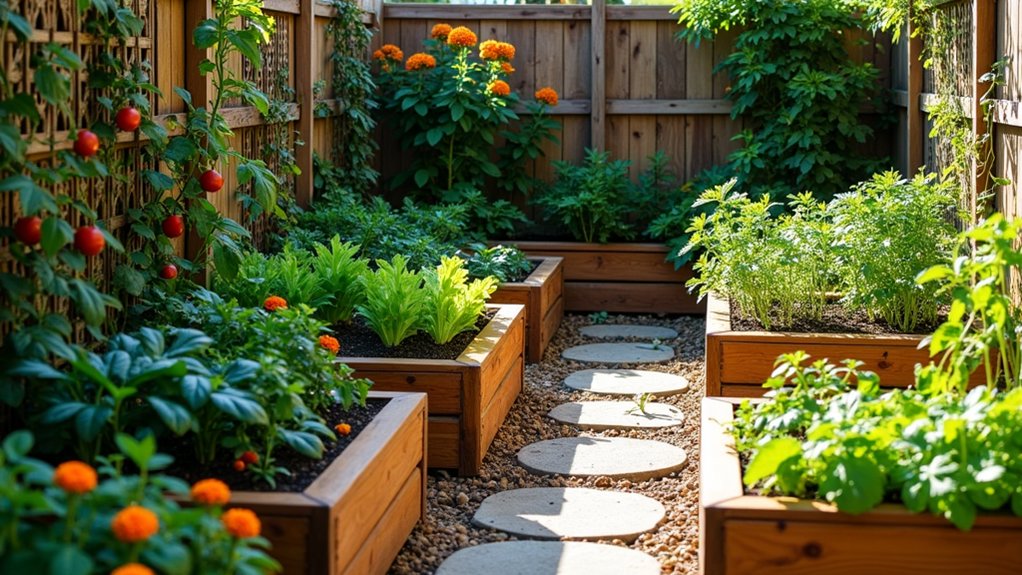
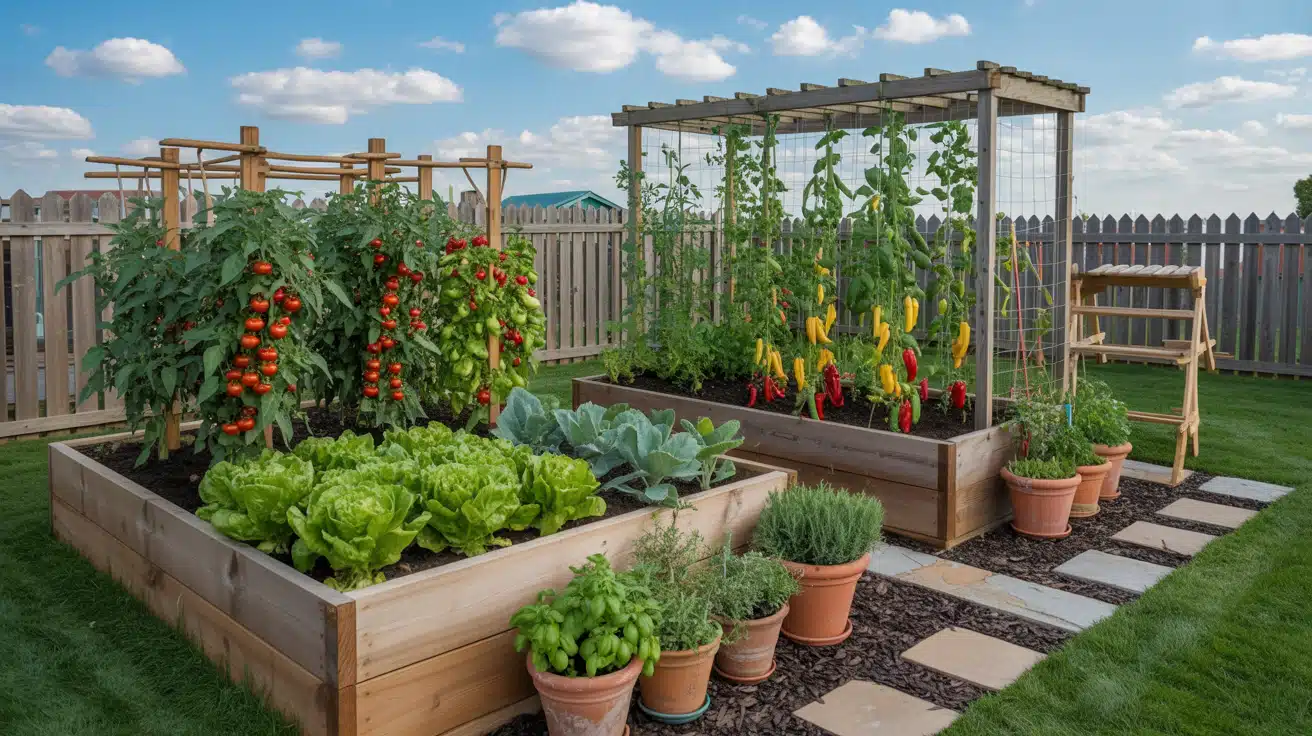
Raised beds create a tidy growing area that is easy to reach, water, and weed. They work well in suburban backyards, small lawns, and spaces where the native soil drains poorly. You can build one from untreated, suitable lumber or choose another durable material made for garden use.
A bed about four feet wide is often practical because many gardeners can reach the center from either side. Make the length fit your yard and budget. A bed around six to eight inches deep may work where the ground below is loose and suitable, while deeper beds can help when the underlying soil is compacted or inaccessible.
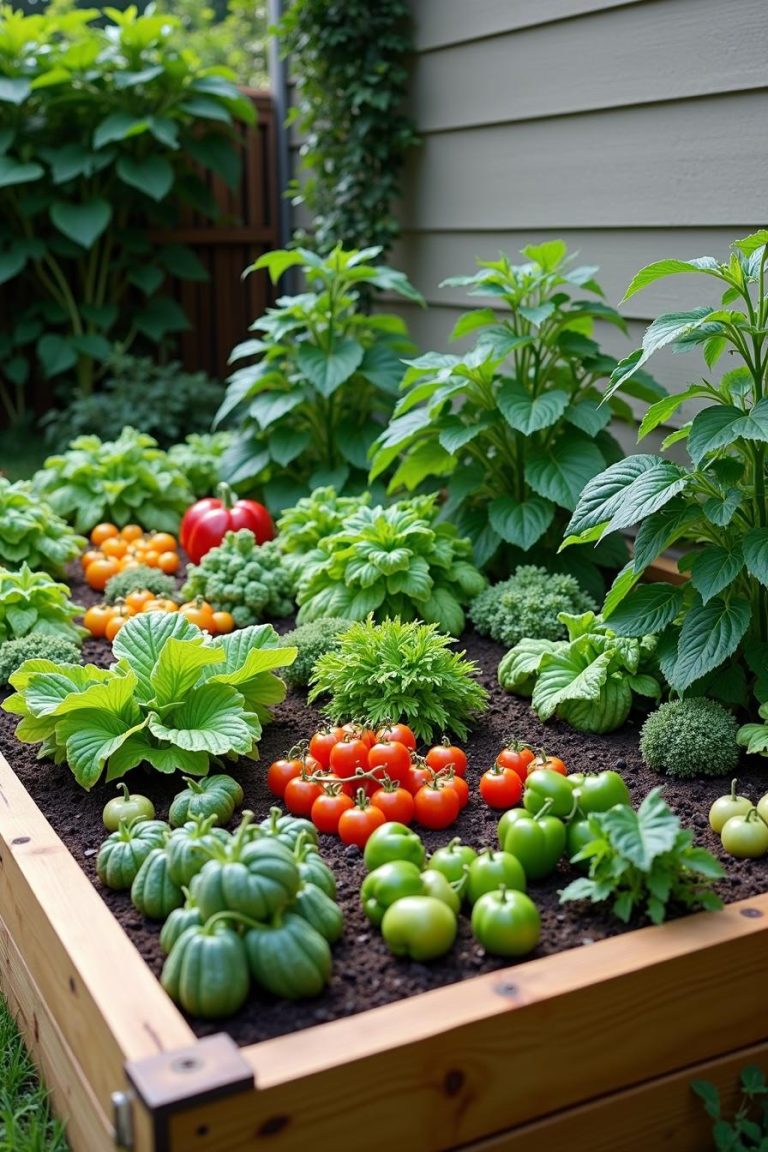
Fill the bed with a suitable mix of topsoil and mature compost rather than pure compost. Compost supports soil structure, but using too much can create nutrient imbalances or drainage problems. Leave enough room between beds to walk, move a hose, and carry a harvest basket without stepping on the growing soil.
Source: apieceofrainbow.com
Best crops
Grow lettuce, kale, carrots, bush beans, peppers, herbs, and compact tomato varieties in raised beds.
Keep beds reachable
Leave comfortable paths on the sides you use for planting and harvesting.
Choose safe materials
Use lumber and coatings intended for the setting, and avoid materials with unknown chemical treatments.
Arrange Plants by Height
Put tall crops where they will cast the least unwanted shade on shorter plants. In many Northern Hemisphere gardens, placing tall crops along the north side helps keep sunlight available to lower plants. Adjust the layout for your yard’s light, nearby structures, and seasonal sun angle.
Keep spreading crops near the edges if their vines can grow outside the bed without blocking paths. Place herbs and leafy greens in spots that are easy to reach for frequent picking.
Back or north side
Place tall tomatoes, trellised cucumbers, or climbing beans where their shade is less disruptive.
Front or accessible edges
Plant herbs, lettuce, radishes, and other crops you harvest often.
3. Try a Small Vegetable Garden for a Tiny Yard
A small yard can still produce a useful harvest when you focus on crops that give you plenty of food in the space available. Start with one compact bed or a few containers rather than spreading your effort across a large area. This keeps watering, feeding, and pest checks manageable.
Choose compact or dwarf varieties when space is tight. Bush beans take up less vertical room than pole beans, while patio tomatoes can fit in suitable large pots. Lettuce, radishes, green onions, and many herbs also work well in small plots because you can harvest them in stages.
Do not crowd plants just to fit more into the bed. Leaves need airflow, roots need room, and mature plants can become much wider than seedlings. Follow the spacing on the seed packet or plant label, and use succession planting to fill open spaces as quick crops finish.
Source: yourbackyardfarmer.com
One-bed garden
Combine a few leafy greens, radishes, herbs, and one or two compact warm-season crops.
Narrow side yard
Use a long bed with a clear path and select crops that fit the available width.
Patio or paved yard
Grow suitable crops in containers with drainage holes and enough room for their roots.
Use Succession Planting
Succession planting means sowing a quick crop more than once during a suitable growing season. For example, you might plant a short row of radishes, harvest them, and then use that space for another crop that suits the weather. This can help a small garden produce food over a longer period.
Do not sow every crop on the same schedule. Lettuce and peas may slow down in hot weather, while warm-season vegetables need enough time and warmth to mature. Check the expected days to harvest and your local seasonal conditions before planting another round.
Quick crops
Try radishes, baby greens, and some varieties of lettuce when local conditions suit them.
After harvest
Add a new crop only when the season, soil, and remaining space support healthy growth.
4. Grow Vegetables in Containers and Pots
Containers are useful when your backyard has concrete, a rental patio, a small deck, or soil that is not suitable for growing food. You can move pots to catch better light, group them near a door, and grow a modest selection of fresh produce without building a permanent bed.
The container must match the crop. Small pots dry out quickly and may not give larger plants enough room for roots. Tomatoes, peppers, and cucumbers generally need larger containers than lettuce or herbs, and some vining crops also need a strong support.
Use potting mix made for containers rather than ordinary garden soil, which can compact in a pot and limit drainage. Every container should have drainage holes. Check moisture often because pots can dry faster in hot, windy weather, especially on exposed patios and balconies.
Source: i.pinimg.com
Herb pots
Grow basil, parsley, chives, or other herbs in containers sized for their roots and light needs.
Large vegetable pots
Use roomy containers for patio tomatoes, peppers, and compact cucumber varieties.
Hanging or railing planters
Use only secure, suitable planters and crops that can thrive in their limited soil volume.
Prevent Container Plants From Drying Out
Check the potting mix with your finger rather than watering by the calendar alone. If the mix is dry below the surface, water slowly until excess water drains from the bottom. Empty standing water from saucers when needed, and avoid leaving roots in water for long periods.
Containers lose nutrients through repeated watering, so crops may need regular feeding. Follow the directions for the chosen fertilizer and crop, since excess fertilizer can damage roots or lead to poor growth.
Daily checks in hot weather
Inspect pots more often during heat waves, dry winds, or periods of rapid plant growth.
Stable placement
Set heavy pots on a level surface and secure tall plants against wind where needed.
5. Grow Upward With Trellises and Vertical Supports
Vertical gardening makes better use of a narrow backyard by guiding suitable crops upward instead of letting their vines spread across the ground. It can leave more room for herbs, leafy greens, and other low-growing plants. A simple trellis may be made from a sturdy garden frame, a suitable mesh panel, or a support designed for climbing vegetables.
Pole beans, peas, and many cucumbers can climb with the right support. Some indeterminate tomatoes also benefit from cages or strong stakes. Choose a structure that can bear the weight of mature plants and wet fruit, and anchor it securely before the vines grow.
Do not assume every plant belongs on a trellis. Heavy squash and melons may need extra support for their fruit, while some varieties spread too widely for a small frame. Check the growth habit of each variety and keep the support clear of walkways.
Source: i.pinimg.com
Pole beans
Train climbing beans along a sturdy support and pick the pods often to encourage continued production.
Cucumbers
Use a strong trellis for suitable climbing varieties and guide young vines as they grow.
Tomatoes
Match the cage or stake to the plant’s mature size and support it before heavy fruit develops.
Keep Vertical Gardens Safe and Easy to Reach
Place trellises where they will not fall onto paths, fences, or nearby property. Leave room to tie stems, inspect leaves, and pick produce without pulling hard on the plant. If the support sits in a raised bed, make sure it does not shade too much of the growing area.
Check ties as stems thicken. Soft plant ties are less likely to cut into stems than thin wire, and loose attachment points should be fixed before wind or a heavy crop puts them under strain.
Secure the frame
Anchor supports according to their design and check them after strong wind or heavy rain.
6. Make a Kitchen Garden Near the House
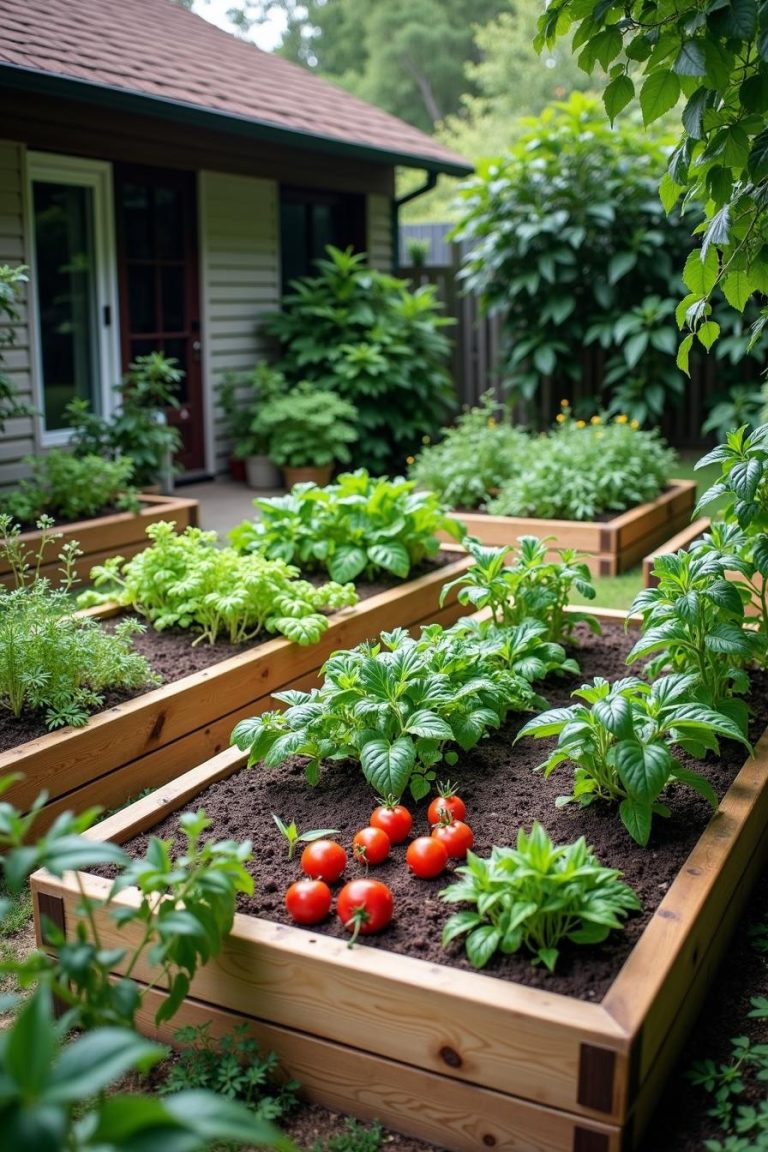
A kitchen garden keeps common cooking ingredients close at hand. Set aside a sunny spot near the kitchen door, patio, or outdoor cooking area for herbs, salad greens, green onions, and a few vegetables you use each week. The shorter walk makes it easier to pick fresh leaves while preparing a meal.
A kitchen garden can look neat without losing its purpose. Use clear bed edges, simple paths, and groups of similar crops. Add flowers that attract helpful pollinators where appropriate, but leave enough room for vegetables and avoid plants that spread into paths or crowd nearby crops.
Plan for convenience rather than appearance alone. A garden that looks tidy but is hard to water or reach can become a chore. Keep the hose, hand tools, and harvest basket nearby, and place crops you pick often at the easiest-to-reach edges.
Source: i.pinimg.com
Fresh herbs
Plant basil, parsley, chives, cilantro, or other herbs that suit your climate and meals.
Salad bed
Group lettuce, arugula, radishes, and suitable leafy greens for quick picking.
Clear access
Keep paths firm, uncluttered, and wide enough to reach the garden with a basket.
Add Flowers Without Crowding Vegetables
Flowers can bring color to an edible garden and provide food for pollinators and other beneficial insects. Choose varieties suited to your region and leave room for airflow around vegetables. Flowers do not guarantee that pests will disappear, so keep checking plants for damage.
Avoid planting invasive species or flowers that need far more water than the vegetables beside them. If you want to save space, use a small border or a few pots rather than filling the whole bed with ornamentals.
Simple border
Use a modest row of suitable flowers along an edge that does not block access or shade crops.
7. Design a Family-Friendly Garden With Clear Paths
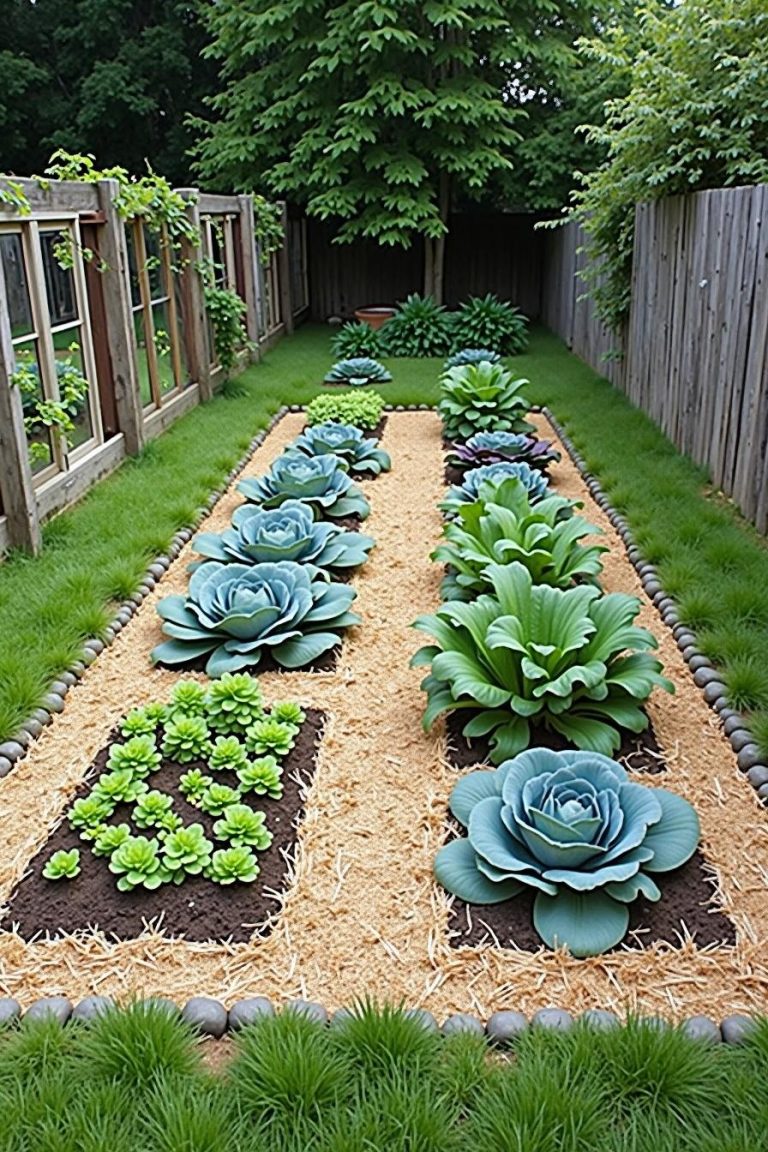
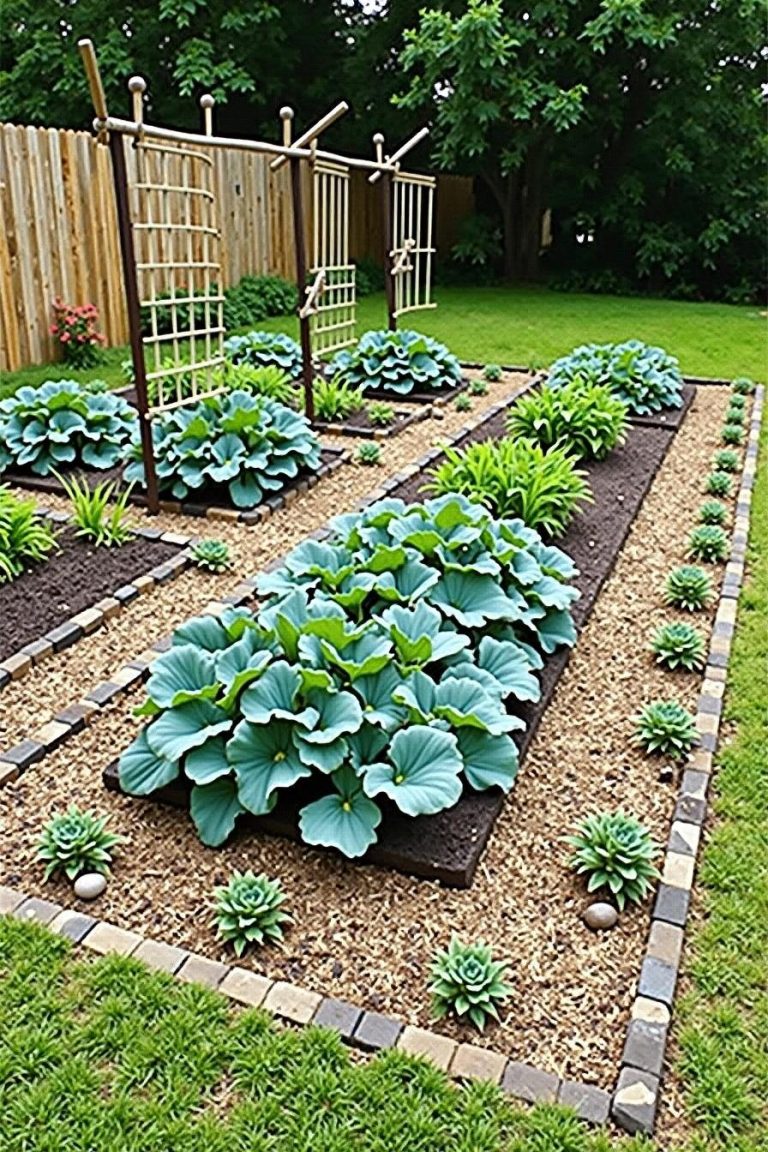
A family vegetable garden works best when everyone can reach the plants without trampling the soil. Mark the growing beds and paths before you plant. Use mulch, stepping stones, or another suitable path surface to show where people should walk, while keeping the bed soil loose for roots.
Choose a manageable number of crops and give each one a clear place. Children may enjoy growing snap peas, cherry tomatoes, radishes, or strawberries where these crops suit the climate. Keep sharp tools, fertilizers, and pest-control products stored safely, and supervise children around supports, hoses, and garden equipment.
A simple layout also helps adults spot problems. When each crop has space, it is easier to see yellow leaves, chewed foliage, wilt, or fruit ready for harvest. Label rows or use plant markers so you can track what you planted and learn which varieties work best in your yard.
Source: randylemmon.com
Keep paths clear
Leave enough room to walk, kneel, carry tools, and harvest without stepping into the beds.
Choose easy crops
Start with a few crops that are easy to recognize and suit your local growing season.
Store supplies safely
Keep tools and garden chemicals secured and follow all product labels.
Make Harvesting Part of the Routine
Check the garden often, even when you only have a few minutes. Pick ripe produce, look under leaves for pests, and remove damaged plant parts when appropriate. Frequent checks can help you catch problems before they spread.
Use a small basket or clean container for harvested food. Wash produce under running water before eating or preparing it, and keep harvested vegetables away from dirty tools and chemical containers.
Short garden checks
Use a regular routine to check soil moisture, plant health, ripe produce, and support structures.
8. Pick the Right Vegetables for Your Space
The most useful backyard garden is one that grows food you enjoy eating. Before buying seeds, list the vegetables your household uses most often and check whether they fit your space, climate, and time. A small garden filled with crops you love can be more rewarding than a large garden full of produce that goes uneaten.
New gardeners often find lettuce, radishes, bush beans, and some herbs manageable when planted at the right time. Tomatoes and peppers are popular warm-season crops, but they need suitable temperatures, adequate sun, and steady care. Cucumbers can produce well with enough warmth, water, and room for their vines.
Read seed packets and plant labels closely. They list useful details such as spacing, planting depth, expected days to maturity, and preferred growing conditions. These details vary by variety, so do not rely on a single spacing rule for every vegetable.
Source: homeisd.com
For small beds
Consider lettuce, radishes, green onions, herbs, bush beans, and compact vegetable varieties.
For sunny beds
Try tomatoes, peppers, cucumbers, and beans when the season is warm enough.
For cooler weather
Consider peas, spinach, radishes, and suitable leafy greens during their preferred season.
Plan a Simple Starter Layout
For a hypothetical four-by-eight-foot raised bed, you could reserve one end for a supported tomato, another area for bush beans, and the remaining space for leafy greens and radishes. The exact number of plants depends on the varieties, their mature size, and the spacing on their labels.
Avoid planting the whole bed at once if you are unsure how much food your household will use. Start with a few crops, track what you harvest, and adjust the plan next season. This gives you useful information without spending too much on seeds or supplies.
Keep a garden record
Write down planting dates, crop varieties, harvests, and problems to improve next year’s plan.
9. Improve Soil and Water Your Garden Well
Healthy soil supports strong roots, steady growth, and better use of water. If you are planting directly in the ground, begin by checking drainage and soil conditions. A soil test through a local cooperative extension service can help identify pH and nutrient needs before you add fertilizer or lime.
Add mature compost when it suits the soil and crop needs. Work gently, avoid repeated digging in wet soil, and do not add fertilizer without a reason. Too much nitrogen can produce lots of leafy growth while reducing fruit production in some vegetables.
Water the root zone instead of spraying leaves whenever practical. Slow, deep watering can help moisture reach the roots, but the right amount depends on soil type, weather, crop size, and container depth. Check soil moisture rather than following a fixed schedule that ignores rain and heat.
Source: homeisd.com
Use mulch
Apply a suitable organic mulch around established plants to reduce moisture loss and limit weeds, keeping it away from direct contact with stems.
Water early
Morning watering often gives plants time to take up moisture and allows wet foliage to dry during the day.
Check before feeding
Use soil test results and crop needs to guide fertilizer choices instead of adding products by guesswork.
Know When Your Plants Need Water
Wilt can mean a plant needs water, but it can also happen when roots are damaged or the soil is too wet. Check the soil several inches below the surface when practical. If it is wet and heavy, adding more water may make the problem worse.
Container plants may need more frequent checks than in-ground crops because their soil volume is limited. During hot spells, inspect them early in the day and again when conditions call for it. Water thoroughly when needed, and make sure the container drains freely.
Dry soil
Water slowly at the base of the plant when the root zone is dry and the crop needs moisture.
Wet soil and wilt
Check drainage, roots, and signs of disease before adding more water.
10. Avoid Common Backyard Vegetable Garden Mistakes
Most garden problems become easier to manage when you spot them early. Overcrowding, poor drainage, irregular watering, and planting at the wrong time can all limit growth. A clear layout and a short weekly maintenance routine help you catch these issues before they cause a large loss.
Inspect both sides of leaves when possible, especially if you see holes, sticky residue, spots, or sudden wilting. Identify the likely cause before using a pesticide. If a product is needed, choose one labeled for the crop and pest, follow the directions, and observe any harvest waiting period on the label.
Crop rotation can also help in beds where the same plant families have grown year after year. Moving related crops to another bed may reduce the buildup of some soilborne pests and diseases, though it will not solve every problem. In a tiny garden, keep a planting record and rotate crops where space allows.
Source: apieceofrainbow.com
Planting too closely
Follow the spacing on labels so plants have room for airflow, roots, and mature growth.
Ignoring local weather
Adjust planting dates and watering to local frost dates, heat, rain, and seasonal conditions.
Adding too much fertilizer
Use soil test results and product directions to avoid excess nutrients and plant damage.
Leaving ripe crops too long
Harvest vegetables at the stage recommended for the variety and remove spoiled produce promptly.
What to Do When Plants Grow Poorly
Start with the simplest checks. Look at sunlight, soil moisture, drainage, spacing, and recent weather before assuming that a plant needs fertilizer. Compare the symptoms across nearby plants to see whether the problem affects one crop or the whole bed.
If plants show severe or spreading disease symptoms, ask your local cooperative extension service for help identifying the cause. A clear photo, the crop variety, planting date, and recent watering history can help narrow the problem. Avoid removing healthy plants or applying several treatments before you have a reasonable diagnosis.
Yellow leaves
Check watering, drainage, light, and nutrient needs; older leaves may also yellow as part of normal plant growth.
Chewed leaves
Look for insects or other pests, identify them, and choose a suitable response based on the crop and level of damage.
Poor fruit set
Check temperature, sunlight, plant health, and the crop’s pollination needs before changing fertilizer.
Frequently Asked Questions
Q
What is the easiest vegetable garden for beginners?
A small raised bed or a few containers with lettuce, radishes, bush beans, and herbs can be a manageable starting point. Choose crops suited to your local climate and planting season. Begin with a few varieties, follow their spacing directions, and expand after you learn how much care they need.
Q
How much sunlight does a backyard vegetable garden need?
Most fruiting vegetables, including tomatoes and peppers, grow best with at least six to eight hours of direct sunlight each day. Leafy greens and some herbs can tolerate less. Check the needs of each crop and observe how sunlight moves across your yard before choosing a site.
Q
Can I grow vegetables in a backyard with poor soil?
Yes. Raised beds and containers let you use a suitable growing mix instead of relying entirely on the ground. If you plant in native soil, consider a soil test first, especially where contamination may be a concern. Do not grow edible crops in soil with suspected contamination until you have reliable guidance on how to manage the risk.
Q
What vegetables grow well in small backyards?
Lettuce, radishes, green onions, herbs, bush beans, and compact tomato varieties can fit small gardens when their light, spacing, and water needs are met. Trellised cucumbers and pole beans can use vertical space. Choose varieties with a mature size that suits your bed or container.
Q
How often should I water backyard vegetables?
There is no single watering schedule for every garden. Soil type, rainfall, temperature, plant size, and container depth all affect how often plants need water. Check moisture near the roots and water thoroughly when needed. Containers often dry faster than in-ground beds, especially in hot or windy weather.
Q
When should I start planting vegetables in the United States?
Planting dates vary by state, local climate, crop, and frost risk. Cool-season vegetables such as peas and spinach can often be planted earlier, while tomatoes and peppers need warmer conditions. Use your local cooperative extension planting calendar and seed packet instructions to choose suitable dates.
✦ Wrapping Up
Conclusion
The best back yard vegetable garden ideas are the ones that fit your space, weather, budget, and daily routine. A sunny raised bed, a few well-sized pots, or a vertical garden can all help you grow fresh food at home. Focus on healthy soil, suitable crops, clear paths, and easy access to water before adding more plants.
You do not need to grow every vegetable at once. Start with a small group of crops you enjoy eating, watch how they respond to your local conditions, and keep a simple record of what works. Each season gives you a chance to improve the layout and make better use of your yard.
💡 Key Takeaway
Choose one sunny spot this week, measure the available space, check your local planting calendar, and plan a small garden with three to five vegetables that your household enjoys.