Landscaping vegetable garden design combines food crops, garden beds, paths, borders, and useful outdoor features to create a garden that looks good and grows well. The best layout fits your yard, local climate, sunlight, soil, and daily gardening needs.
Across the United States, a vegetable garden can be much more than a few rows of plants behind the house. A well-planned space can add color to a suburban lawn, fill a small city yard with fresh produce, or make a wide country lot easier to use. The trick is to plan for both looks and harvests before you buy plants or build beds.
Start by checking sunlight, water access, drainage, and the space you can reach without stepping on growing soil. Then choose a layout that suits your home, such as raised beds, straight rows, curved borders, or a compact kitchen garden. Add paths, flowers, herbs, and simple edging to give the space a finished look without making upkeep hard.
Your local growing season also matters. A gardener in Florida may plant warm-season crops long before a gardener in Maine can work the soil. Use your USDA plant hardiness zone for perennial plant choices, but use local frost dates and crop-specific planting guidance to plan annual vegetables.
Source: storage.googleapis.com
What Is Landscaping Vegetable Garden Design?
Landscaping vegetable garden design is the art of arranging edible plants and outdoor features so they work as one space. It brings together basic landscape planning and practical vegetable growing. Instead of treating the garden as a separate patch, you make it part of the yard’s overall look and daily use.
A good design balances three needs. Plants must get enough light, water, root space, and air. People need safe, clear paths to plant, weed, water, and harvest. The finished space should also suit the home and the time you can spend caring for it.
You do not need a large yard or a costly landscape plan. A few well-placed beds, a narrow path, and a border of herbs can be enough. Even a small patio can support leafy greens, compact tomatoes, peppers, and herbs in suitable pots.
Source: www.pinterest.com
Growing function
Plan for sunlight, soil, crop spacing, water, drainage, and access to each plant.
Visual appeal
Use neat bed edges, repeated plant groups, varied leaf shapes, flowers, and a clear layout.
Easy upkeep
Keep tools, compost, water sources, and paths close enough to reduce daily work.
Edible Landscaping Versus a Traditional Vegetable Patch
A traditional vegetable patch often uses straight rows in a dedicated area. Edible landscaping mixes food crops with flowers, shrubs, herbs, and other garden features. Both methods can work well, and neither is right for every yard.
For example, a front-yard edible border might pair compact peppers with leafy greens and low-growing herbs. A separate bed behind the house could hold larger crops such as squash or tomatoes. Check local rules, sight lines, and any homeowners association limits before adding food plants to a front yard.
Choose a traditional layout
Use it when you want simple crop rows, easy rotation, and clear separation from ornamental plants.
Choose an edible landscape
Use it when you want vegetables and herbs to blend with the rest of your outdoor space.
How to Plan a Vegetable Garden Landscape
The easiest way to plan a garden is to study the yard before drawing the beds. Watch how sunlight moves across the space, check where rainwater collects, and note the nearest outdoor tap. These details help prevent common design problems before they become costly fixes.
Sketch the area on paper or use a free garden planner. Mark the house, fences, trees, paths, sheds, and water sources. Then add the beds and plants you want to grow, leaving room to move around them.
Make a short list of the vegetables your household eats most. A garden filled with crops you enjoy is more useful than one filled with plants chosen only for their looks. If this is your first garden, begin with a few crops and expand after you learn what grows well.
Source: artofit.org
Measure the site
Record the length and width of the growing area, along with fixed features that cannot move.
Check sunlight
Observe the site during the day. Fruiting crops such as tomatoes and peppers usually need full sun, while some leafy crops can manage with less.
Test the soil
Use a soil test to learn the pH and nutrient levels. Amend the soil based on the results instead of guessing.
Plan water access
Place beds within reach of a hose or another reliable water source, and avoid sites where water sits after rain.
Choose the Right Sun Exposure
Most fruiting vegetables grow best with at least six to eight hours of direct sunlight each day, although needs vary by crop and climate. Lettuce, spinach, and some other leafy greens can tolerate partial shade, especially in hot regions. A shady corner may still be useful, but it will limit which crops thrive there.
Place tall plants so they do not cast long shadows across smaller crops. In many US gardens, a north-side location for tall crops can help keep shorter plants in the sun, though the best position depends on the season and the direction of nearby buildings or trees.
Sunny area
Reserve the brightest spots for tomatoes, peppers, cucumbers, and other sun-loving crops.
Partly shaded area
Consider leafy greens and herbs that can grow under reduced light.
Check Soil, Drainage, and Water Safety
Healthy soil supports strong roots, but not every yard has suitable soil for food crops. A soil test can guide changes to pH and nutrients. If the site has a history of industrial use, lead paint debris, heavy traffic, or unknown fill, consider testing for contaminants before growing food in the ground.
Raised beds filled with tested, suitable soil can help separate crops from poor native soil. They do not remove every risk if contaminated dust or water reaches the beds, so use clean materials and safe water. Avoid wood treated with chemicals that are not intended for food-growing settings.
Improve drainage
Choose a site where water drains after rain, or build suitable raised beds if the ground stays wet.
Use clean materials
Select food-garden soil and bed materials from sources that can explain what they contain.
Best Vegetable Garden Layout Ideas for Different Yards
The best layout depends on your space, soil, mobility, budget, and preferred crops. Straight rows suit larger plots, while raised beds can make a small garden easier to organize. Mixed borders help vegetables fit into a landscape that already has flowers and shrubs.
Before settling on a design, compare how much room it uses, how easy it is to reach the plants, and whether it suits the crops you want. A neat layout should make garden tasks easier, not leave you squeezing past plants with a watering can.
Source: artofit.org
Raised-bed layout
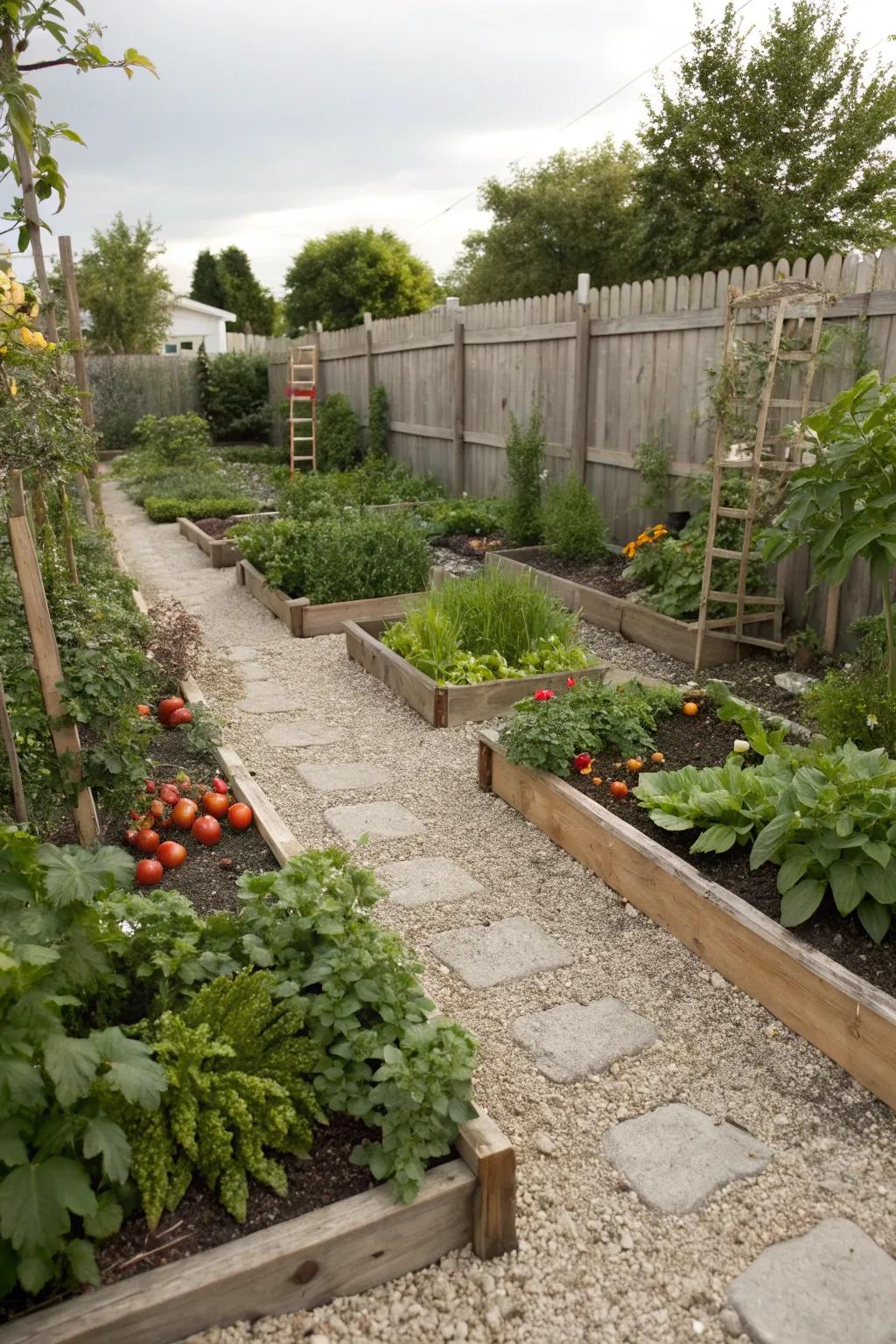
Use defined beds for a clean look, better control over the growing mix, and easy crop grouping. Leave enough space around each bed for comfortable access.
Traditional row garden
Use long rows when you have a larger open area and need space for crops such as corn, beans, or sprawling squash.
Square-foot layout
Divide a bed into small planting sections and follow crop-specific spacing. This approach helps organize a compact garden but does not mean every crop fits into every square.
Container garden
Grow suitable vegetables in pots on patios, decks, or balconies. Choose containers with drainage holes and enough volume for the mature plant.
Edible border
Mix vegetables, herbs, and edible flowers along a sunny fence or yard edge, keeping enough room for pruning and harvest.
Design a Small Backyard Vegetable Garden
A small backyard can produce a useful harvest when every bed has a clear job. Start with one or two beds near a water source, then add containers if there is more room. Keep paths simple so you can reach every plant without stepping on the soil.
Choose crops that fit the space and your meals. Bush beans, compact tomatoes, salad greens, radishes, and herbs can work well in a small garden when their light, root, and spacing needs are met. Use a trellis for suitable climbing crops to save ground space, but anchor it securely.
Keep the layout simple
Use a few clear bed shapes rather than many small beds that create extra edges and paths.
Grow upward where suitable
Train peas, pole beans, and certain cucumbers on a strong support to use vertical space.
Pick compact varieties
Check the mature size on seed packets and plant labels before buying.
Plan a Formal Kitchen Garden
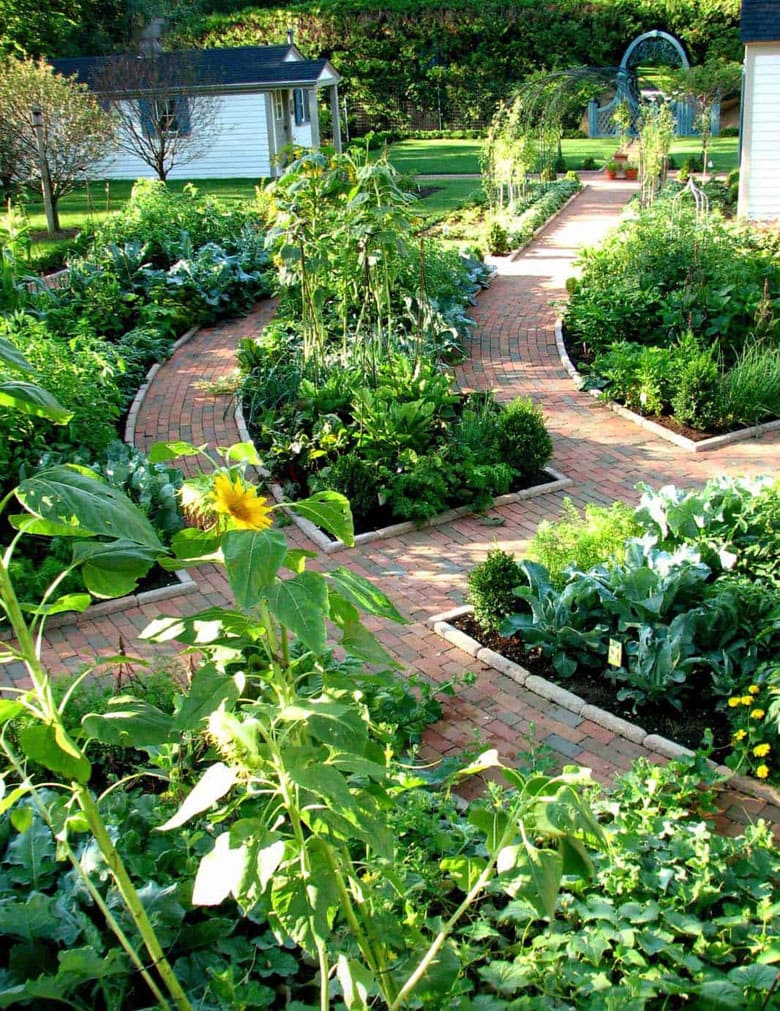
A kitchen garden often uses a balanced layout with a central path, matching beds, and a clear edge. This style works well near a back door because herbs and frequently picked vegetables stay close to the kitchen. Gravel, brick, stone, or mulch paths can define the space, provided the material suits the site and does not create a trip hazard.
Symmetry is optional. You can use matching beds for a formal look or vary their sizes to fit the yard. Repeat a few plant types and materials to help the garden feel connected rather than crowded.
Place herbs near the door
Keep often-used herbs close to the kitchen, where they are easy to clip during meal prep.
Repeat bed shapes
Use the same bed width or edging material to create a calm, orderly look.
Design Paths, Borders, and Garden Edges
Paths and borders make a vegetable garden easier to use and help it look like a planned part of the landscape. A path should let you reach plants, carry a harvest basket, and move tools without brushing against crops. The right width depends on who uses the garden and whether a wheelbarrow or mobility aid must pass through.
Use stable, non-slip surfaces where people walk often. Mulch paths can be affordable and simple to maintain, while compacted gravel or pavers can create a firmer surface when installed well. Avoid sharp edging, loose materials that spill onto walkways, and narrow turns that make routine tasks hard.
Borders also help separate the vegetable garden from lawn or ornamental beds. Low herbs, compact flowers, or simple edging can mark the boundary without blocking sunlight or access. Keep plant growth under control so the garden does not become a tangle by midsummer.
Source: storage.googleapis.com
Mulch paths
Wood chips or other suitable path mulch can limit mud and weeds. Keep path material separate from the growing soil if you need a distinct bed edge.
Stone or paver paths
These can provide a firm surface, but proper installation matters for drainage and even footing.
Living borders
Low herbs and flowers can soften the edges. Choose plants that will not spread into beds or compete heavily with vegetables.
How Wide Should Vegetable Garden Paths Be?
Path width should match the way you work. A narrow path may suit a small garden where you reach each bed from the side, while a main route may need more room for a wheelbarrow. Measure the widest tool or equipment you expect to use and leave space to turn safely.
Avoid designing beds so wide that you must step into them to reach the center. Reaching across from both sides is often easier than walking on the soil and pressing it down. If mobility or balance is a concern, prioritize a firm, level route and seek a layout suited to your needs.
Main access route
Make it wide and firm enough for regular traffic and the tools you use.
Between-bed paths
Leave enough space to kneel, weed, water, and harvest without damaging nearby plants.
Choose Vegetables and Flowers That Work Together
A useful garden plan groups plants by their needs, mature size, and harvest time. Put crops that need similar water and light in the same bed when practical. This makes care easier and helps you avoid watering one plant too much just to meet another plant’s needs.
Color and texture can guide the visual plan too. Broad squash leaves, upright onions, leafy greens, bright peppers, and flowering herbs create different shapes across the space. Use these contrasts with care, leaving enough room for mature plants and airflow.
Flowers can add color and may provide food or habitat for pollinators and other beneficial insects. However, no flower guarantees pest control or a better harvest. Choose species suited to your region and avoid plants listed as invasive in your area.
Source: apieceofrainbow.com
Group by water needs
Place crops with similar watering needs together to make irrigation more consistent.
Check mature size
Allow space for full-grown leaves, stems, fruit, and roots instead of planning only for young plants.
Add useful flowers
Consider region-appropriate flowers that attract pollinators and fit the garden’s light and soil conditions.
Use Companion Planting With Care
Companion planting means growing different plant species near each other for practical reasons, such as shared space, varied root depth, or support. Some combinations have clear uses, such as growing pole beans on a suitable trellis. Other popular pairings have limited evidence for strong pest control, so treat broad claims with caution.
Do not let companion planting replace crop spacing, sound watering, or pest checks. A crowded bed can trap moisture and limit airflow, even when every plant is described as a good companion. Follow seed packet spacing and local extension guidance for each crop.
Pair plants by size
Combine compatible crops when their mature heights and growth habits leave enough light for each plant.
Use trellises for suitable crops
Support climbing plants with a sturdy frame and check that the structure will hold the mature crop.
Avoid unsupported pest claims
Monitor plants and use integrated pest management rather than relying on a single companion plant to solve pest problems.
Add Flowers Without Losing Growing Space
A narrow flower border can soften the garden edge without taking over the beds. You might use compact annual flowers or suitable native species that fit your climate and soil. Leave clear routes for harvesting and make sure taller flowers do not shade sun-loving crops.
Check plant labels before adding flowers near edible crops, especially if you plan to use pesticides. Follow the product label for approved uses, application timing, and any harvest interval. Never assume an ornamental plant treatment is safe for food crops.
Use small clusters
Plant flowers in a few planned groups rather than scattering them where they may block access.
Choose region-suited species
Use local extension or native plant resources to check suitability and invasive status.
Pick Materials That Fit Your Budget and Climate
A garden landscape does not need expensive stonework or custom beds to look finished. Start with the features that make growing easier, such as reliable water access, safe paths, and sound soil. Add decorative items only after the basic layout works.
Wood can suit a natural garden style, while brick or stone can give the space a formal edge. Reclaimed materials may reduce costs, but inspect them carefully and avoid unknown materials that may contain harmful coatings or chemical treatments. For raised beds, use materials suitable for food gardening and follow local guidance.
Climate affects material choices. In hot, dry regions, mulch can help reduce soil moisture loss, though it must be used correctly around plant stems. In wet climates, drainage and stable paths may matter more than decorative ground cover. Select materials for the conditions you have rather than copying a photo from a different region.
Source: klantumjk.blob.core.windows.net
Low-cost start
Mark beds with string, use suitable mulch for paths, and build only the number of beds you can maintain.
Mid-range design
Add durable bed frames, a basic trellis, and a simple irrigation setup where needed.
More finished landscape
Consider permanent paver paths, matching bed edges, and built-in storage after checking drainage and access.
Use Mulch to Keep the Garden Neat
Mulch can help limit weeds and slow moisture loss, but the type and placement matter. Organic mulch such as clean straw or suitable shredded leaves may work around many vegetable crops. Keep mulch away from direct contact with stems when the crop or local conditions make that necessary, and watch for pests that may shelter in thick layers.
Do not mix large amounts of fresh wood chips into vegetable bed soil, because they can affect nutrient availability as they break down. Wood chips are often more suitable for paths or the surface around established plants than for mixing through the root zone. Follow crop-specific guidance and keep the bed surface easy to inspect.
Mulch the paths
Use a suitable path material to reduce mud and make the garden easier to walk through.
Protect the root zone
Use clean mulch suited to the crop, and keep the layer from smothering stems or seedlings.
A Practical Sample Layout for a US Backyard
A sample layout helps turn design ideas into a plan you can measure. Picture a sunny backyard with room for two raised beds, a main path, a compost area, and a small herb border. This is a planning example, not a universal design, so adjust every measurement to fit the site and the crops.
Place the beds where they receive suitable sunlight and where you can reach them from the paths. Put taller crops on the side that is least likely to shade shorter plants, based on the sun’s seasonal path. Keep the compost area convenient but far enough from doors and sitting areas to avoid nuisance odors or pests.
For a small family garden, one bed might hold tomatoes, peppers, and compatible herbs, while the second could hold greens, beans, or root crops in season. Check crop spacing and avoid packing plants tightly just because the bed looks empty at planting time. Mature plants need room too.
Source: apieceofrainbow.com
Bed one
Group sun-loving fruit crops according to their support, spacing, and watering needs.
Bed two
Use seasonal leafy greens, beans, or root crops that suit the local planting window.
Garden edge
Place compact herbs or suitable flowers along a border where they will not block paths.
Service corner
Keep a tool box, hose connection, or compost setup in an accessible spot that does not crowd the growing area.
Example Bed and Path Measurements
Two beds that measure 4 feet by 8 feet provide 64 square feet of total bed area. That calculation comes from multiplying the length by the width of each bed, then adding the two areas together. The total does not include paths, edging, or space for tools.
A bed width of about 4 feet can let many adults reach the center from either side, but individual reach and mobility differ. If you can only access a bed from one side, make it narrower. The right dimensions are the ones that let you tend plants without stepping into the growing area.
Measure growing area
Multiply bed length by bed width, then add the areas of all beds.
Add access space
Measure paths, turning areas, and access to water separately so the whole layout fits the yard.
Common Vegetable Garden Design Mistakes to Avoid
Many garden problems begin with a layout that looks good on paper but is hard to maintain. Beds may be too wide, plants may shade one another, or the water source may be too far away. A short review before planting can prevent much of this trouble.
Design for mature plants rather than seedlings. A tomato plant that starts small can become broad and heavy, while squash may spread across nearby paths. Check plant labels and local growing guidance, then leave enough room for harvest and airflow.
Source: garden.eco
Making beds too wide
Narrow the bed if you cannot reach the center comfortably from the paths.
Ignoring shade
Track sun exposure and arrange tall crops so smaller plants receive the light they need.
Planting too closely
Follow crop spacing guidance to support airflow, root growth, and access for harvest.
Forgetting water access
Keep a practical watering route and choose irrigation that suits the bed layout.
Using unsafe materials
Avoid materials with unknown chemical treatments and assess contaminated soil before growing food.
Adding too many crops
Start with crops you eat often and expand when you understand the garden’s needs.
What to Do if Plants Struggle After Planting
If plants wilt, turn yellow, or grow poorly, check the basic growing conditions before changing the landscape. Feel the soil to assess moisture, inspect leaves and stems for pests, and compare the plant’s position with its sunlight needs. Yellow leaves can have several causes, so do not assume that every plant needs more fertilizer.
Review drainage if soil stays wet for long periods, and check watering if the root zone dries too quickly. If the issue affects many plants, a soil test or local cooperative extension service may help identify the cause. Make one sensible change at a time so you can see whether it helps.
Wilting in dry soil
Water the root zone as appropriate for the crop and check whether the soil is holding moisture.
Wilting in wet soil
Check drainage and avoid adding more water until you understand the cause.
Poor growth or leaf color
Review light, spacing, pests, and soil-test results before adding nutrients.
Maintain the Design Through Every Growing Season
A vegetable garden changes as crops grow and seasons shift, so the landscape needs a little care throughout the year. Check paths, bed edges, supports, and irrigation before each main planting period. Remove damaged plants and weeds before they crowd healthy crops.
Crop rotation can help reduce the buildup of certain pests and diseases. When space allows, avoid planting crops from the same plant family in the same bed year after year. For example, tomatoes, peppers, and eggplants belong to the nightshade family, so treat them as related crops when planning rotation.
Keep a simple garden record. Write down what you planted, where it grew, when you harvested, and which problems appeared. Over time, these notes can help you choose better crop combinations and avoid repeating mistakes.
Water as needed, check plants for pests, keep paths clear, and harvest crops on time.
After harvest
Remove diseased plant material appropriately, refresh mulch where needed, and note which crops performed well.
Adjust the Garden to Your Local Climate
The United States has many growing climates, so one planting calendar will not fit every home. Gardeners in colder northern areas may need to wait for spring soil and frost conditions, while gardeners in warm southern areas may face intense summer heat. Coastal, mountain, and desert areas can have their own local patterns.
Use your local cooperative extension service for planting dates, crop varieties, pest guidance, and soil advice. The USDA plant hardiness zone map is useful for perennial survival, but it does not tell you the full planting schedule for annual vegetables. Local frost dates and crop-specific needs remain key.
Cold climates
Plan around frost dates, short growing seasons, and crops that mature within the available time.
Hot climates
Consider heat-tolerant varieties, suitable shade for sensitive crops, and careful water management.
Wet climates
Prioritize drainage, airflow, and paths that remain stable after rain.
Frequently Asked Questions
Q
How do I make a vegetable garden look like part of my landscape?
Use a clear bed layout, tidy paths, simple edging, and a few repeated plants or materials. Mix suitable herbs and flowers with vegetables, but keep growing space, sunlight, and access as the main priorities. Match the garden’s style to the rest of your yard.
Q
What is the best layout for a small vegetable garden?
Raised beds or containers often work well in small spaces because they help organize crops and paths. Choose compact varieties, use vertical supports for suitable climbing plants, and grow crops your household eats often. Check mature plant size before deciding how many crops to include.
Q
How many hours of sunlight does a vegetable garden need?
Many fruiting vegetables need at least six to eight hours of direct sun per day for good growth, although crop needs vary. Some leafy greens tolerate partial shade. Observe the site before planting and choose crops that match the light you have.
Q
Are raised beds better than planting vegetables in the ground?
Raised beds can improve access and give you more control over the growing mix, especially where native soil drains poorly or is unsuitable. In-ground beds can cost less and work well when the soil is healthy and drains properly. Compare site conditions, material costs, and maintenance before choosing.
Q
Can I grow vegetables in my front yard?
Yes, a front-yard vegetable garden can work when it receives enough sun and has suitable soil and water. Check local rules, property restrictions, utility locations, and sight lines near driveways or sidewalks. Keep paths clear and choose a layout that fits the appearance and use of the yard.
✦ Wrapping Up
Conclusion
Landscaping vegetable garden design works best when beauty and growing needs support each other. A sunny site, healthy soil, clear paths, suitable beds, and crops chosen for your climate give you a strong start. You can create a formal kitchen garden, a compact raised-bed setup, or an edible border that blends with the yard.
Keep the first plan simple and make room for change. Watch how plants grow, record what works, and adjust the layout as you learn more about your space. A garden that is easy to water, weed, and harvest is more likely to stay useful and attractive through the season.
💡 Key Takeaway
Sketch your yard today, mark the sunny areas and water source, then plan one manageable growing bed with a clear path and crops suited to your local climate.