
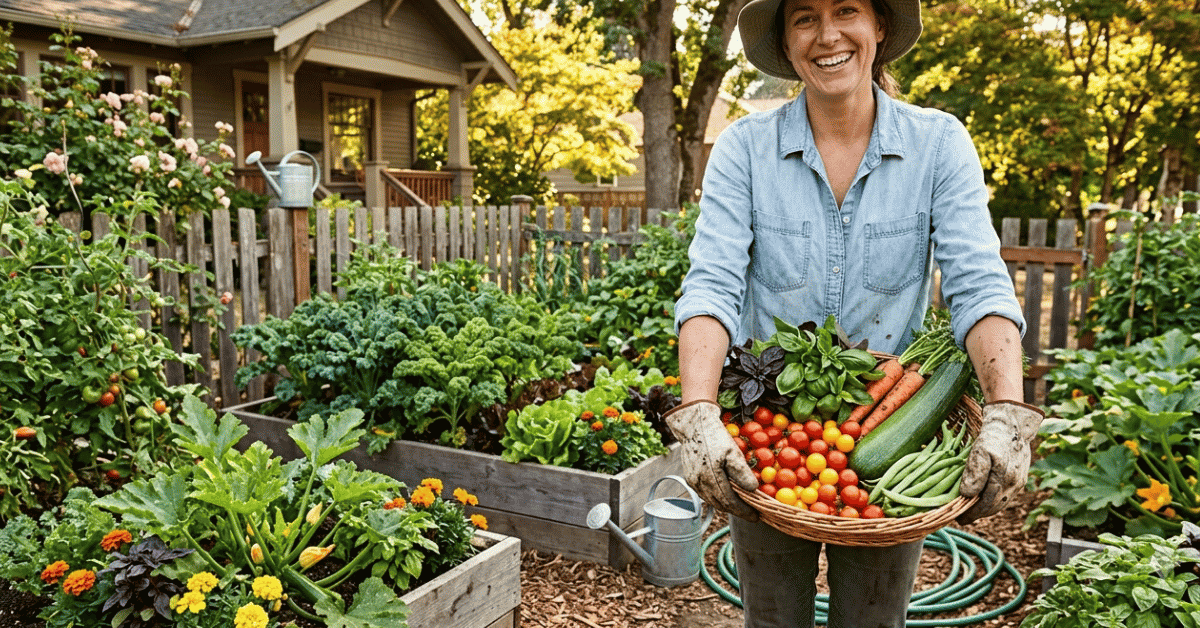
What are the benefits of a vegetable garden? Discover how growing your own food can save money, improve health, reduce stress, and bring fresh produce to your table. Start your garden journey today.
Last Saturday morning, I walked into my backyard with a cup of coffee and picked fresh tomatoes for breakfast. That simple moment reminded me why I started gardening years ago. Many people ask, “What are the benefits of a vegetable garden?” The answer goes far beyond fresh vegetables. A vegetable garden can improve health, lower grocery bills, reduce stress, and create meaningful family memories. Through my own experience, I have found that even a small garden delivers rewards that reach far beyond the harvest.
What Are the Benefits of a Vegetable Garden?
Many first-time gardeners focus only on the food. Fresh vegetables certainly matter. Yet the biggest rewards often appear in unexpected ways. A vegetable garden changes daily habits. It encourages time outdoors. It creates a stronger connection with nature. It also helps people understand where food comes from.
My first vegetable garden was small. It contained only tomatoes, peppers, and lettuce. The harvest was useful, but the experience itself became even more valuable. I spent less time on screens and more time outside. The garden became a place to relax, learn, and recharge. Those benefits continued long after the growing season ended.
Benefits You Notice Immediately
Some rewards appear quickly:
- Fresh vegetables
- Better food quality
- Outdoor activity
- Lower grocery spending
- Greater appreciation for food
Quick Overview
| Benefit | Impact |
|---|---|
| Fresh Produce | Better taste and nutrition |
| Cost Savings | Lower food expenses |
| Physical Activity | More movement each week |
| Stress Relief | Improved mental wellness |
| Family Bonding | Shared outdoor experiences |
Better Physical Health and Nutrition
One of the strongest reasons to start a vegetable garden is personal health. Gardening naturally encourages healthier choices.
Fresh vegetables become more appealing when you grow them yourself. A tomato picked minutes before dinner tastes completely different from one shipped across the country. Flavor often improves because vegetables remain on the plant longer before harvest.
I noticed this change immediately. Salads appeared on my plate more often. Fresh herbs became part of everyday cooking. Healthy meals felt easier because the ingredients were already available.
Nutritional Advantages
Vegetable gardens can provide:
- Tomatoes rich in antioxidants
- Leafy greens with vitamins
- Peppers packed with nutrients
- Carrots containing beta-carotene
- Herbs with natural flavor
Fresh produce often reaches the table within minutes of harvest.
Gardening as Exercise
Many people overlook the physical side of gardening.
Common gardening tasks include:
- Digging
- Planting
- Watering
- Weeding
- Harvesting
These activities keep the body moving. Gardening may not feel like a workout, but it provides regular physical activity throughout the season.
Outdoor Benefits
Time outdoors supports overall wellness.
Benefits include:
- Fresh air
- Natural sunlight
- Greater movement
- Reduced indoor screen time
Even thirty minutes in the garden can feel refreshing after a busy day.
Saving Money While Growing More Food
Food prices seem to rise every year. A vegetable garden helps offset some of those costs.
The savings vary depending on what you grow. Certain vegetables offer excellent value because they produce heavily throughout the season.
My tomato plants alone often provide more produce than I can use. Extra tomatoes become sauces, salads, and gifts for neighbors.
Cost-Effective Crops
Several vegetables provide strong returns:
- Tomatoes
- Lettuce
- Cucumbers
- Zucchini
- Green beans
- Herbs
These crops frequently cost more at grocery stores than people realize.
Comparing Store Costs
| Vegetable | Typical Store Expense | Garden Potential |
|---|---|---|
| Lettuce | Weekly purchase | Continuous harvest |
| Herbs | High cost per bundle | Multiple cuttings |
| Tomatoes | Seasonal fluctuations | Heavy yields |
| Cucumbers | Frequent purchases | Long production period |
Food Security Matters
Growing food creates a sense of independence.
Gardeners know:
- How crops were grown
- Which products were used
- When vegetables were harvested
That knowledge brings confidence and peace of mind.
Less Food Waste
Garden-grown vegetables often reduce waste.
You harvest only what you need. Produce remains fresh longer because it moves directly from garden to kitchen.
Mental Wellness and Emotional Rewards
The mental benefits surprised me more than anything else.
Gardening slows the pace of life. Plants grow gradually. Progress takes patience. That process teaches people to appreciate small victories.
After stressful workdays, I often spend time watering plants or checking new growth. Those simple tasks help clear my mind.
Reduced Stress Levels
Gardening encourages focus.
Simple activities include:
- Pulling weeds
- Watering plants
- Harvesting vegetables
- Observing pollinators
These moments create a welcome break from daily pressures.
Greater Sense of Achievement
Every harvest feels rewarding.
Examples include:
- First tomato of the season
- Fresh herbs for dinner
- A basket of cucumbers
- Rows of healthy lettuce
Small accomplishments build confidence over time.
Connection With Nature
Vegetable gardens attract life.
Common visitors include:
- Bees
- Butterflies
- Ladybugs
- Birds
Watching these creatures interact with the garden creates a stronger appreciation for the natural world.
Continuous Learning
Every growing season teaches new lessons.
Gardeners gain knowledge about:
- Soil health
- Plant care
- Seasonal timing
- Pest control
- Water management
Learning keeps gardening interesting year after year.
Family Time, Community, and Long-Term Value
A vegetable garden often becomes more than a personal hobby. It creates opportunities for families and communities to connect.
My family became involved almost immediately. Planting days turned into weekend projects. Harvest days became something everyone anticipated.
Children especially enjoy seeing seeds become food.
Great Lessons for Kids
Gardening teaches:
- Responsibility
- Patience
- Observation skills
- Healthy eating habits
Children gain practical experience that few classroom activities can match.
Building Family Memories
Some of my favorite memories involve:
- Planting seedlings
- Picking tomatoes
- Sharing fresh meals
- Watching plants grow
Simple garden moments often become lasting memories.
Strengthening Community Connections
Gardeners frequently share:
- Seeds
- Plants
- Advice
- Extra produce
Those interactions build stronger local relationships.
Long-Term Benefits
The rewards increase each season.
Experienced gardeners often enjoy:
- Better harvests
- Improved soil
- Greater confidence
- Expanded gardening skills
The investment continues to pay back year after year.
A vegetable garden offers much more than fresh produce. It supports physical health, emotional well-being, financial savings, family connection, and lifelong learning. Few activities provide so many benefits from such a small piece of land. Even a modest garden can make a meaningful difference in daily life.
Frequently Asked Questions
Do vegetable gardens really save money?
Yes. Crops like tomatoes, herbs, lettuce, and cucumbers can produce large harvests, helping reduce grocery expenses throughout the growing season.
Can gardening improve mental health?
Many gardeners find that time outdoors reduces stress, improves focus, and creates a calming routine that supports emotional well-being.
How much space do I need for a vegetable garden?
A small raised bed or a few containers can grow several vegetables successfully. Beginners often start with very limited space.
Are homegrown vegetables healthier than store-bought produce?
Homegrown vegetables are often harvested at peak ripeness, which can improve flavor and preserve valuable nutrients.
Is gardening a good activity for families?
Yes. Gardening encourages teamwork, teaches practical skills, and creates enjoyable experiences that families can share together.