
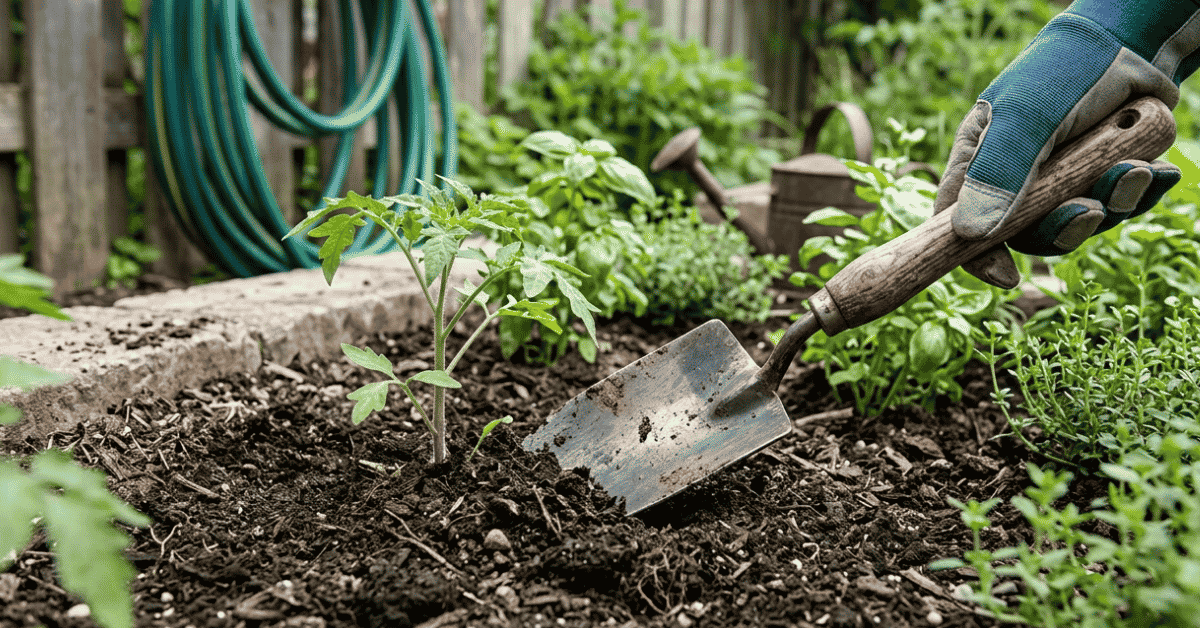
My small gardening shovel is my absolute go-to tool. It handles delicate tasks with ease. Get ready to dig into the many amazing uses of this compact wonder!
This guide reveals why every gardener needs one.
Why Do I Need a Gardening Small Shovel?
I’ve been gardening for years, and honestly, my small gardening shovel sees more action than almost any other tool in my shed. It’s not just a miniature version of a big shovel; it’s a different kind of hero. For starters, it’s perfect for tight spots.
Think about planting tiny seedlings or adding a bit of compost around the base of a mature plant. A big shovel would just wreck everything. My little spade, though?
It’s nimble. I can get right in there, loosen the soil just enough, and tuck in new life without disturbing the neighbors.
It also excels at precision work. Ever tried to dig out a stubborn weed root without damaging the surrounding flowers? It’s tough with a larger tool.
My small shovel lets me carefully excavate, getting under the root and lifting it out cleanly. It saves me so much frustration. Plus, it’s just plain easier to handle.
I don’t have to exert as much force. This means less strain on my back and wrists, especially on days when I’m doing a lot of planting or garden bed maintenance. It feels like an extension of my hand, allowing for a more intimate connection with the soil.
Perfect for Seed Starting and Potting
This is where my small gardening shovel truly shines. When I’m filling seed trays or small pots, I don’t want to make a huge mess. Filling them with soil mix is a breeze with my little shovel.
I can scoop and gently press the soil into place without overfilling or compacting it too much, which is crucial for happy seed germination. It’s also fantastic for transplanting young seedlings from their starter pots into larger containers or directly into the garden. I can carefully dig around the delicate roots, lift the plant, and then create a perfect little hole for it in its new home.
This careful approach minimizes transplant shock and gives my plants the best start. I often find myself using small buckets, like a 5-gallon bucket smart growing hack, with my small shovel to manage soil and seedlings efficiently.
Digging Up Details: Weeds and Pests
Battling weeds is a constant garden struggle, and my small gardening shovel is my secret weapon against the persistent ones. For small, shallow weeds, it’s quick work. But its real value comes with those deep-rooted nuisances.
I can use it to carefully probe the soil around the weed, then gently lever it out. This is especially helpful when you don’t want to disturb nearby desirable plants. It’s also great for investigating suspicious bumps or disturbances in the soil that might indicate pest activity.
Digging a small hole to check for grubs or other underground critters is far less disruptive with a small shovel. It saves the surrounding plants and reduces the chance of just spreading the problem. My experience tells me that a bit of careful digging with a small tool can reveal a lot about what’s happening below the surface, much like how understanding the one simple black gardening breakthrough can change your whole approach.
Working in Containers and Raised Beds
Container gardening and raised beds offer fantastic growing opportunities, but they often mean working in confined spaces. That’s precisely why a gardening small shovel is indispensable here. When you’re planting in a small pot or a narrow planter box, there’s simply no room for a large shovel.
My small shovel allows me to dig precise holes, add amendments, and move soil without spilling over the edges or damaging plant roots that might be close to the surface. It makes topping up beds with fresh compost or soil mix a manageable task instead of a messy chore. I’ve found my small shovel to be incredibly versatile for this type of gardening, working hand-in-hand with other small tools for a perfectly maintained space.
It’s amazing how much work you can do with the right small tools.
Essential Features of a Good Gardening Small Shovel
When I’m looking for a reliable gardening small shovel, a few key things always stand out. It’s not about fancy bells and whistles; it’s about solid construction and thoughtful design that makes my life easier.
Material Matters: Durability and Weight
The material of a small shovel greatly impacts its performance and lifespan. I prefer shovels made from high-quality stainless steel or forged carbon steel. These materials are strong, resist rust, and can handle digging into moderately compacted soil without bending or breaking.
Aluminum is lighter, which can be nice for reduced fatigue, but it’s often less durable. I’ve learned that a slightly heavier shovel that won’t fail me halfway through a job is much better than a lightweight one that breaks after a few uses. My favorite has a stainless steel blade.
It’s tough and looks good, even after lots of use. It makes tasks like black gardening tools yard work magic feel more exciting.
Handle Comfort and Grip
The handle is where you connect with the tool, so its comfort is paramount. I look for handles made from sturdy materials like hardwood (ash is great) or strong, ergonomic plastic. The length of the handle is important too.
For a small shovel, I typically want a shorter handle, maybe 5-7 inches, that allows for good control over the blade. A comfortable grip is essential. Some handles have rubberized grips, which I find can really help prevent blisters and provide a more secure hold, even if my hands get a little dirty or sweaty.
A well-designed handle makes a huge difference, especially when you’re spending extended periods in the garden.
Blade Shape and Size
The blade shape on a gardening small shovel can vary, and each shape has its advantages. A trowel-style blade, which is often pointed or slightly curved, is excellent for general digging, planting, and weeding. It tapers to a point, making it easier to pierce the soil and get into tight spaces.
A cultivator-style shovel, which might have tines or a broader, flatter edge, is better for breaking up soil clumps or scooping larger amounts of material. For my primary small shovel, I usually go for a classic pointed trowel shape. It’s the most versatile for the kinds of tasks I do most often.
The size matters too; I want it substantial enough to move some dirt but small enough to be maneuverable.
Added Features: Beyond the Basics
Some small shovels come with little extras that can be surprisingly useful. Things like measurement markings on the blade can help with planting depth accuracy. Some might have a wider bolster where the handle meets the blade, offering extra strength and a surface for my thumb to push against.
Others might have a hole in the handle for easy hanging storage. While these aren’t deal-breakers for me, I definitely appreciate them when I find them. They show thoughtful design aimed at making garden work smoother.
Comparing Small Shovels: What to Look For
To give you a clearer picture, here’s a quick look at some common types of small shovels and their typical uses.
| Type of Small Shovel | Best For | Pros | Cons |
|---|---|---|---|
| Garden Trowel | Planting, transplanting, weeding, potting, small digging | Versatile, precise, comfortable for hands | Can struggle with very compacted soil, limited scooping capacity |
| Transplanting Trowel | Moving plants with their root balls intact | Deeper, narrower blade for careful root extraction | Less effective for general digging or scooping |
| Hand Cultivator/Fork | Loosening soil, aerating, breaking up clumps | Excellent for breaking soil, good aeration | Not ideal for digging distinct holes or scooping material |
| Scoop Trowel | Moving soil, compost, amendments into pots or beds | Larger capacity for scooping, good for filling containers | Less precise for delicate digging or weeding |
When I’m choosing, I often think about my most frequent garden tasks. If I’m doing a lot of delicate planting, a good garden trowel is my top pick. If I’m amending pots often, a scoop trowel becomes more appealing.
It really depends on your gardening style. For instance, understanding the 9 surprising digging tool benefits really opened my eyes to how specific tools can impact my process.
Caring for Your Gardening Small Shovel
Taking proper care of your gardening small shovel means it will serve you well for many seasons. It’s really quite simple, and it makes a big difference in how the tool performs.
Cleaning After Each Use
This is the most important step. After I finish using my shovel, I always take a moment to clean off the soil. A stiff brush or even just a damp cloth works well.
If the soil is really caked on, I might rinse it under a tap. Getting rid of the dirt prevents it from hardening and becoming harder to remove later. It also helps prevent rust, especially on metal parts.
A clean tool is a happy tool, and it works better the next time you pick it up.
Drying and Storage
Once it’s clean, I make sure my shovel is thoroughly dry before I put it away. I usually leave it leaning against a shed wall for a bit, or I’ll give it a quick wipe with a dry towel. Storing your tools in a dry place is key.
My shed stays relatively dry, but I avoid leaving tools out in the elements. Hanging them up is a great way to keep them dry and also organized. It prevents them from lying on the floor where they could get stepped on or damaged.
Proper storage ensures your shovel remains in good condition and ready for action.
Sharpening and Oiling (When Needed)
Occasionally, the edge of my shovel blade might get a little dull, especially if I’ve hit a few rocks. I’ll use a metal file or a sharpening stone to hone the edge. A sharp shovel cuts through soil more easily, making the job feel less like a struggle.
For metal shovels, especially those made of carbon steel, a light coating of oil (like mineral oil or even some cooking oil in a pinch) applied to the blade can offer extra protection against rust. This is more for long-term storage or if you live in a very humid environment. It’s a small step that adds years to the life of your tool.
I remember one time I let a shovel sit all winter without proper care, and it came out looking terrible. I learned my lesson!
The Joy of Small-Scale Gardening
My small gardening shovel has truly transformed a lot of my garden tasks. It’s made them more enjoyable, less strenuous, and far more effective. It’s proof that even the simplest tools, when chosen and cared for correctly, can bring immense satisfaction and success to your gardening endeavors.
It’s amazing what you can achieve with just a little bit of well-designed equipment. It makes me feel more connected to my plants and the soil. There’s a certain meditative quality to working with hand tools like this.
Do you find a garden small shovel helpful for planting tiny seeds?
Yes, a garden small shovel is perfect for planting tiny seeds. Its precise size allows for gentle handling and accurate placement in trays or small pots, minimizing disturbance around delicate roots. Learn more about seed starting.
Is a gardening small shovel good for weeding around delicate flowers?
Absolutely. A gardening small shovel offers the control needed to carefully dislodge weeds near delicate flowers without damaging their roots or stems. Its tapered blade can get right to the source of the weed.
Learn more about garden weeding.
How does a gardening small shovel help with container gardening tasks?
A gardening small shovel excels in container gardening by allowing for precise digging and soil manipulation in tight spaces, preventing over-spilling and root damage in pots and planters. Learn more about container gardening.
Can a gardening small shovel be used for general digging tasks?
For very small areas or loose soil, yes, but a gardening small shovel is best suited for detailed work rather than large-scale digging projects which require larger tools for efficiency. Learn more about gardening tools.
What maintenance does a gardening small shovel require?
Simple maintenance like cleaning, drying, and storing in a dry place keeps a gardening small shovel in great condition. Occasional sharpening and oiling can extend its lifespan. Learn more about tool care.