Gardening clips are small but mighty tools. They help tame unruly plants and keep things neat. I’ve found they make a huge difference in my garden.
Let me show you why.
What Are Gardening Clips For?
Honestly, I used to think gardening clips were just for pretty flower arrangements. My mom used them in her roses. But then I started gardening myself, getting into tomatoes and beans.
That’s when I really saw their true value. These little wonders aren’t just for looks. They’re essential for plant health and productivity.
They support stems, guide growth, and prevent damage. They’re like tiny helping hands for your precious plants.
Supporting Your Plants is Key
Imagine a big, juicy tomato vine. It grows so fast. Without support, those heavy branches can snap.
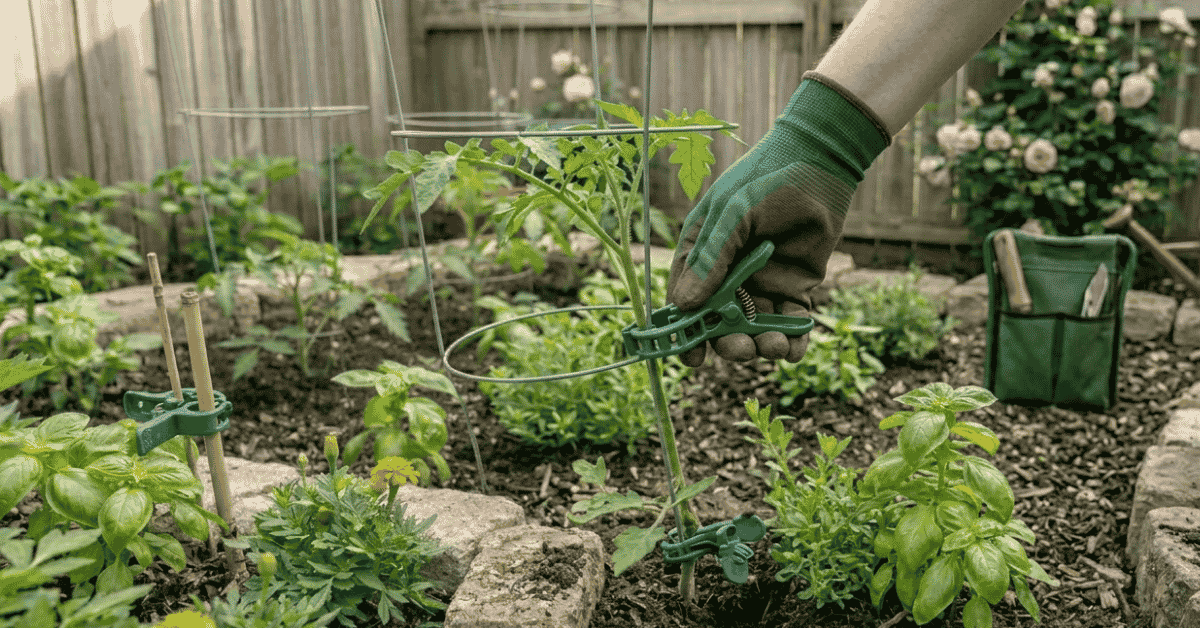
This is where gardening clips shine. They gently hold the stem to a stake or trellis. This stops breakage.
It also lets the plant focus its energy on growing fruit, not fighting gravity. I remember one summer, my cucumbers were everywhere. They were a tangled mess.
Using simple clips to guide them onto a trellis made a world of difference. My harvest doubled! It was amazing.
Keeping Disease Away
Damp, crowded leaves are a magnet for disease. Gardening clips help with this too. By keeping stems and branches spaced out, they improve air circulation.
This means leaves dry faster after rain or watering. Less moisture on leaves means fewer fungal problems. It’s a simple fix with big results.
My zucchini plants used to get powdery mildew every year. Now, I use clips to spread out the huge leaves. I haven’t seen mildew since.
It’s truly freeing.
Easy Harvesting
When plants are neatly supported, harvesting is so much easier. No more digging through a jungle of leaves to find ripe fruit. Everything is visible and accessible.
This makes picking vegetables and flowers a joy, not a chore. I love being able to quickly grab a ripe pepper or a beautiful sunflower. It saves so much time.
And it means less chance of bruising the produce.
Types of Gardening Clips to Know
There are quite a few kinds of gardening clips out there. They look similar, but they work best for different jobs and plants. Picking the right one makes your life simpler.
Plant Tie Clips
These are probably what most people picture. They’re often plastic or silicone. They have a soft inside to protect the stem.
They open and close easily. You can use them to attach a plant stem to a garden stake, a cane, or even a wire cage. Many have little release tabs.
This makes repositioning them a breeze as the plant grows. I use these tons for my tomatoes and peppers. They’re super versatile.
Vine Clips
Vine clips are often a bit different. They’re designed to help vining plants climb. Think cucumbers, peas, or beans.
They might have a hook or a loop shape. They often connect to netting or guide wires. Some are shaped like a “C” to easily snap around a tendril and its support.
I’ve found these keep my pea plants from sprawling. They go right up the netting I set up.
Grafting Clips
These are used by more experienced gardeners. They’re for joining two plants together, like a healthy rootstock with a desirable scion. Grafting clips hold the two pieces tightly while they heal.
They’re usually small and made of plastic. They come in different sizes for different plant stems. I haven’t done much grafting myself, but I know people who swear by them for disease resistance.
Seedling Clips
These are very small and delicate. They’re used to help young seedlings grow upright. Sometimes a tiny seedling might flop over.
A seedling clip can gently support it until its stem is strong. They’re often clear or light green. They’re really only for the very early stages of plant life.
I used these for my basil seedlings one spring. They all stood up straight and tall. It felt good to give them that early boost.
Pothos Clips (for Houseplants)
While not strictly for outdoor gardens, many people use clips for their houseplants. Especially for vining plants like Pothos. These clips help guide the vines along walls or moss poles.
They have a sticky back, usually. You stick the clip to a surface. Then you tuck the vine into it.
This creates amazing living decor. I have a Pothos climbing my bookshelf now. It looks fantastic.
Choosing the Best Gardening Clips for You
So, how do you pick the right clips? It really depends on what you’re growing and how you’re supporting it. Here’s what I consider.
Material Matters
Most clips are made of plastic. Some are soft silicone, which is gentler on stems. Others might be made of rubber or even fabric ties.
For delicate plants, I always lean towards softer materials. I want to avoid any chance of scarring the stem. Metal clips exist, but I avoid them.
They can damage stems easily if not used carefully.
Size and Strength
You need clips that fit your plant and its support. A thin pea vine needs tiny clips. A thick tomato stem needs larger, stronger ones.
Make sure the clip can hold the weight of the plant, especially when it’s laden with fruit or flowers. I learned this the hard way with a big sunflower. The clip I used was too small.
The heavy head snapped off. Oops.
Ease of Use
Are the clips easy to open and close? Can you adjust them as the plant grows? Some clips are a pain to work with.
You want something quick and simple. Especially when you have dozens of plants to tend to. I love the clips that just snap open and shut.
They save my fingers a lot of strain.
Reusability
Are the clips durable? Can you use them season after season? Good quality clips are an investment.
They’ll save you money in the long run. Plus, it’s better for the environment. I’ve had some of my basic plant tie clips for over five years now.
They’re still going strong.
A Quick Comparison of Clip Styles
Here’s a simple way to look at different clip styles. It might help you decide which ones you need most.
| Clip Type | Primary Use | Best For | Durability | Ease of Use |
|---|---|---|---|---|
| Plant Tie Clips | Attaching stems to stakes/trellises | Tomatoes, Peppers, Beans, Cucumbers, Vines | High | High |
| Vine Clips | Guiding vining plants along supports | Peas, Cucumbers, Melons, Grapes | Medium | Medium |
| Grafting Clips | Holding grafted plant parts together | Advanced propagation | High | Low |
| Seedling Clips | Supporting very young, weak seedlings | Delicate herbs, vegetables in early stages | Low | High |
| Houseplant Clips | Guiding indoor vines along walls/poles | Pothos, Philodendron, Ivy | Medium | High |
My Personal Experience with Gardening Clips
I’m a big believer in using the right tool for the job. For me, gardening clips have become indispensable. They’re not just a helpful gadget; they’re a part of my gardening strategy.
I’ve experimented a lot over the years, trying different types and brands. I’ve had flimsy ones break on me mid-season. I’ve also had some that were too stiff and hard to clip.
The ones I rely on now are the sturdy, easy-to-use plastic tie clips. They’re the workhorses of my garden.
I remember a particularly hot summer. My tomato plants were growing like crazy. I had them tied to bamboo stakes with string.
The string kept slipping. The plants were looking a bit ragged. That’s when I bought a bulk pack of adjustable plant tie clips.
It took me an afternoon to re-secure all my plants. The difference was immediate. The plants stood up straighter.
They looked so much tidier. It was a relief.
Another time, I was trying to grow those long, snake-like cucumbers. They were a nightmare, sprawling all over the ground. I set up a netting trellis.
Then I used some simple vine clips. It was so satisfying to see those cucumbers start climbing upwards. They stayed cleaner and were much easier to spot when they were ready to pick.
It turned a potential garden disaster into a success.
I’ve also learned that a little bit of care goes a long way. When I remove clips at the end of the season, I always check them. I toss any that are cracked or bent.
I store the good ones in a dry place. This way, they’re ready to go when spring rolls around again. It feels good knowing I’m not constantly buying new ones.
It saves a bit of money and is definitely better for the planet. Using these clever little tools makes gardening less frustrating and more rewarding.
Frequently Asked Questions About Gardening Clips
Are gardening clips good for all plants?
Not all, but many! They’re great for vining or top-heavy plants needing support. Less so for bushy, low-growing types.
Learn more about plant support…
Can gardening clips damage plants?
They can, if too tight or made of rough material. Always pick soft, smooth clips. Ensure they don’t constrict growth.
Learn more about plant care…
How do I choose the right size clip?
Match the clip size to your plant stem and support. Too small will break; too large won’t hold. Measure before you buy.
Learn more about garden tools…
Are plastic clips bad for the environment?
Some are. Look for reusable, durable plastic or recycled materials. Many last many seasons.
Learn more about sustainable gardening…
Where is the best place to buy gardening clips?
Garden centers, online retailers, and even some hardware stores carry them. Compare prices and read reviews. Learn more about gardening supplies…